Columns/Op-Eds, Politics / Globalisation

In Armed Conflict With India, Why China Would Be Bigger Loser

Original link is here

The┬аongoing standoff at Doklam Plateau is less a boundary incident involving India, China and Bhutan and more a coming together of geopolitical faultlines in Asia that were long set on a collision course. China’s wanton aggression, and India’s refusal to be intimidated by it, stem from the different realities they live in. China believes it is destined to lead Asia, and indeed the world, by a process in which other actors are but bit players. India is strongly convinced of its destiny as a great power and an indispensable player in any conversation to re-engineer global regimes.

It is against the backdrop of these competing ambitions that China’s provocations on the Doklam Plateau must be viewed. As the race to establish an Asian order – or at least determine who gets to define it – intensifies, China will test Indian resolve and portray it as an unreliable partner to smaller neighbours. The current differential in capabilities allows China to provoke and understand the limits of India’s political appetite for confrontation, and create a pattern of escalation and de-escalation that would have consequences for New Delhi’s reputation. Its border transgressions are aimed at changing facts on the ground, and allowing for new terms of settlement. For China to engage in a game of chicken, however, would be counterproductive.

In case of an armed conflict, the bigger loser will be China. The very basis of its “Peaceful Rise” would be questioned and an aspiring world power would be recast as a neighbourhood bully, bogged down for the medium term in petty, regional quarrels with smaller countries. For India, a stalemate with a larger nuclear power will do it no harm and will change the terms of engagement with China dramatically.

Through the Doklam standoff, China has conveyed three messages. The first is that China seeks to utilize its economic and political clout to emerge as the sole continental power and only arbiter of peace in the region. Multipolarity is good for the world, not for Asia. When India refused to pay tribute in the court of Emperor Xi Jinping, through debt, bondage and political servility that the Belt and Road Initiative sought from all in China’s periphery, it invited the wrath of the middle kingdom. Confrontation was but a matter of time.

The second message from Beijing is that short-term stability in Asia does not matter to China, because it does not eye Asian markets for its growth. Through road and rail infrastructure along the Eurasian landmass and sea routes across the Indian Ocean and the Mediterranean, China hopes to gain access to an eighteen trillion dollar European market. Given this reality, no Asian country can create incentives for China to alter its behavior simply with the promise of greater economic integration.

And finally, Beijing has signalled that Pax Sinica is not just an economic configuration, but also a military and political undertaking. Its aggressive posture in the South China Sea, disregard for Indian sovereignty in Jammu and Kashmir, divide and rule policy in the ASEAN region, and strategic investments in overseas ports such as Gwadar and Djibouti are all indicative of its intention to establish a Sino-centric economic and security architecture, through force if necessary. The election of Donald Trump in the United States and political divisions in Europe has only emboldened China’s belief that the reigns of global power are theirs to grab.

Given these stark messages from the eastern front, what can New Delhi do?

The options are limited. The first is to acquiesce to Chinese hegemony over Asia. In the past, India’s foreign policy has attempted to co-opt China into a larger Asian project, from Nehru’s insistence on China’s position on the United Nations Security Council to facilitating its entry into the World Trade Organisation. It is clear today that it was the wrong approach and continuing to play second fiddle to the Chinese will not only involve political concessions but also territorial ones to China-backed adversaries like Pakistan.

The second option for India is to set credible red lines for China by escalating the cost for its aggressive maneuvers around India’s periphery and to increase the cost of “land acquisition” for the Chinese.

Pakistan’s approach vis-├а-vis India may prove to be enlightening in this respect. Its development of Tactical Nuclear Weapons (TNW) to offset India’s superior conventional abilities and a wide range of asymmetric warfare techniques have ensured that India is disproportionately engaged in regional affairs. For long, the Indian commentariat and diplomatic corps have believed the boundary dispute with China should be suppressed because the bilateral relationship is worth more than just territorial skirmishes. In doing so, they have normalised Beijing’s behaviour, which now allows it to turn the tables and make unsettled boundaries a ceaseless source of tension for India. It is time, therefore, to elevate the boundary dispute as a matter of primary strategic concern and to articulate options to counter Beijing’s threats on the eastern flank. It has done the former by staying away from a project that paid little heed to its sovereignty and territorial concerns. It is time to muster steel and to put together a blueprint for the latter.

China is attempting, vainly, to draw India into a conflict that it believes will prematurely invest it with the label of “first among equals” in Asia. Ironically, Beijing has failed to acknowledge that India does not have to behave like a 10 trillion dollar economy when it is not one – skirmishes, like the one at Doklam Plateau, can be swiftly and aggressively countered by India with little or no loss to its reputation. After all, it would be defending its sovereignty, and in the process, goading China’s smaller neighbours into a similar path. If China wants to be relegated to a disputed regional power, it has only to needle India into a new season of skirmishes and into exacerbating – politically, militarily and diplomatically – Beijing’s multiple land and maritime disputes in Asia.

(Samir Saran is Vice President at the Observer Research Foundation, India.)

Disclaimer: The opinions expressed within this article are the personal opinions of the author. The facts and opinions appearing in the article do not reflect the views of NDTV and NDTV does not assume any responsibility or liability for the same.


Standard
Uncategorized

Why the dragon would be a bigger loser in a clash with the elephant

Samir Saran

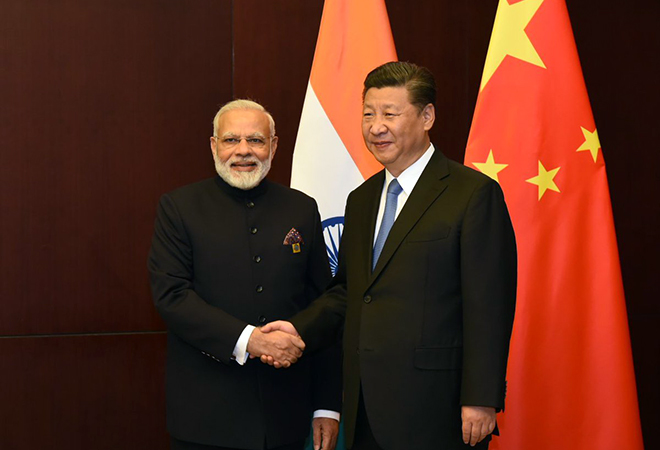
The standoff at Doklam is less a boundary incident involving India, China and Bhutan, and more a coming together of geopolitical fault lines.

 Xi, Modi, Narendramodi, dragon, tiger

The ongoing standoff at Doklam Plateau is less a boundary incident involving India, China and Bhutan and more a coming together of geopolitical faultlines in Asia that were long set on a collision course. China’s wanton aggression, and India’s refusal to be intimidated by it, stem from the different realities they live in. China believes it is destined to lead Asia, and indeed the world, by a process in which other actors are but bit players. India is strongly convinced of its destiny as a great power and an indispensable player in any conversation to re-engineer global regimes.

It is against the backdrop of these competing ambitions that China’s provocations on the Doklam Plateau must be viewed. As the race to establish an Asian order тАФ┬аor at least determine who gets to define it тАФ┬аintensifies, China will test Indian resolve and portray it as an unreliable partner to smaller neighbours. The current differential in capabilities allows China to provoke and understand the limits of India’s political appetite for confrontation, and create a pattern of escalation and de-escalation that would have consequences for New Delhi’s reputation. Its border transgressions are aimed at changing facts on the ground, and allowing for new terms of settlement. For China to engage in a game of chicken, however, would be counterproductive.

The current differential in capabilities allows China to provoke and understand the limits of India’s political appetite for confrontation, and create a pattern of escalation and de-escalation that would have consequences for New Delhi’s reputation.

In case of an armed conflict, the bigger loser will be China. The very basis of its “Peaceful Rise” would be questioned and an aspiring world power would be recast as a neighbourhood bully, bogged down for the medium term in petty, regional quarrels with smaller countries. For India, a stalemate with a larger nuclear power will do it no harm and will change the terms of engagement with China dramatically.

Through the Doklam standoff, China has conveyed three messages. The first is that China seeks to utilise its economic and political clout to emerge as the sole continental power and only arbiter of peace in the region. Multipolarity is good for the world, not for Asia. When India refused to pay tribute in the court of Emperor Xi Jinping, through debt, bondage and political servility that the Belt and Road Initiative sought from all in China’s periphery, it invited the wrath of the middle kingdom. Confrontation was but a matter of time.

The second message from Beijing is that short-term stability in Asia does not matter to China, because it does not eye Asian markets for its growth. Through road and rail infrastructure along the Eurasian landmass and sea routes across the Indian Ocean and the Mediterranean, China hopes to gain access to an eighteen trillion dollar European market. Given this reality, no Asian country can create incentives for China to alter its behavior simply with the promise of greater economic integration.

Short-term stability in Asia does not matter to China, because it does not eye Asian markets for its growth.

And finally, Beijing has signalled that Pax Sinica is not just an economic configuration, but also a military and political undertaking. Its aggressive posture in the South China Sea, disregard for Indian sovereignty in Jammu and Kashmir, divide and rule policy in the ASEAN region, and strategic investments in overseas ports such as Gwadar and Djibouti are all indicative of its intention to establish a Sino-centric economic and security architecture, through force if necessary. The election of Donald Trump in the United States and political divisions in Europe has only emboldened China’s belief that the reigns of global power are theirs to grab.

Given these stark messages from the eastern front, what can New Delhi do?

The options are limited. The first is to acquiesce to Chinese hegemony over Asia. In the past, India’s foreign policy has attempted to co-opt China into a larger Asian project, from Nehru’s insistence on China’s position on the United Nations Security Council to facilitating its entry into the World Trade Organisation. It is clear today that it was the wrong approach and continuing to play second fiddle to the Chinese will not only involve political concessions but also territorial ones to China-backed adversaries like Pakistan.

The second option for India is to set credible red lines for China by escalating the cost for its aggressive maneuvers around India’s periphery and to increase the cost of “land acquisition” for the Chinese.

Pakistan’s approach vis-├а-vis India may prove to be enlightening in this respect. Its development of Tactical Nuclear Weapons (TNW) to offset India’s superior conventional abilities and a wide range of asymmetric warfare techniques have ensured that India is disproportionately engaged in regional affairs. For long, the Indian commentariat and diplomatic corps have believed the boundary dispute with China should be suppressed because the bilateral relationship is worth more than just territorial skirmishes. In doing so, they have normalised Beijing’s behaviour, which now allows it to turn the tables and make unsettled boundaries a ceaseless source of tension for India. It is time, therefore, to elevate the boundary dispute as a matter of primary strategic concern and to articulate options to counter Beijing’s threats on the eastern flank. It has done the former by staying away from a project that paid little heed to its sovereignty and territorial concerns. It is time to muster steel and to put together a blueprint for the latter.

China is attempting, vainly, to draw India into a conflict that it believes will prematurely invest it with the label of “first among equals” in Asia. Ironically, Beijing has failed to acknowledge that India does not have to behave like a 10 trillion dollar economy when it is not one тАФ┬аskirmishes, like the one at Doklam Plateau, can be swiftly and aggressively countered by India with little or no loss to its reputation. After all, it would be defending its sovereignty, and in the process, goading China’s smaller neighbours into a similar path. If China wants to be relegated to a disputed regional power, it has only to needle India into a new season of skirmishes and into exacerbating тАФ┬аpolitically, militarily and diplomatically тАФ┬аBeijing’s multiple land and maritime disputes in Asia.

This commentary originally appeared in┬аNDTV.com.

Standard
G 20, Politics / Globalisation

Global Perspectives: G20 Leaders Summit

RTS1935M_b

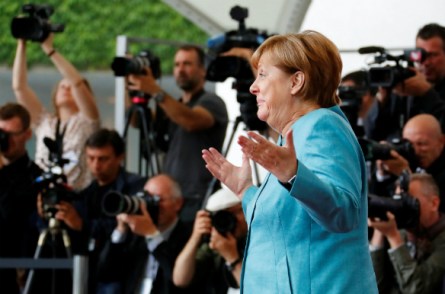
German Chancellor Angela Merkel reacts as she receives guests at the Chancellery in Berlin, Germany, June 29, 2017. (Fabrizio Bensch/Reuters)

Editors note: This global perspectives roundup is a new feature of the Council of Councils initiative, gathering opinions from global experts on major international developments. In this edition, Council of Councils members offer their perspectives on the upcoming G20 leaders summit, which will be held in Hamburg, Germany, on July 7тАУ8.

Tom Bernes, Centre for International Governance Innovation (Canada)

The upcoming G20 summit in Hamburg, Germany, will face new challenges as U.S. President Donald J. Trump makes his first appearance. The forum, which has been promoted by national leaders as their primary platform for international economic cooperation, will have to contend with a U.S. president whose stated policy objective of тАЬAmerica FirstтАЭ stands in direct contrast to the central objective of the G20. A look at the history of the G20 summit speaks to the belief of its members that answers to global challenges must be found through active collaboration. This is likely to be tested in Hamburg. As was witnessed at the G7 and NATO summits in May, surprises are likely.

Since its initial success in forging a response to the global economic crisis of 2008, the G20 has struggled to clearly define a medium-term program that resonates with the global community. Some observers have even questioned whether the G20 can continue to serve as a useful forum that engages the worldтАЩs most important leaders.

“Some observers have even questioned whether the G20 can continue to serve as a useful forum that engages the worldтАЩs most important leaders.”

Two of the major accomplishments of the G20 will draw close scrutiny in Hamburg as the United States has directly challenged them. The first is the issue of climate change: following U.S.-China leadership, the G20 has supported the Paris Agreement. The United States announced in June its intention to withdraw. The second is the issue of protectionism, which the G20 at every meeting has pledged to resist. Again, the United States has expressed its opposition to such a pledge and imminent decisions by the Trump administration on steel and aluminum risk setting off a trade war. Yet another area of potential concern are the reforms embraced by the G20 to secure greater global financial stability. U.S. decision to roll back much of the Dodd-Frank regulations established after the 2008 financial crisis puts at risk the gains made since the crisis shook the world economy.

How will leaders respond to these issues in Hamburg? A forceful rejection of U.S. positions by the other members of the G20 could give renewed vigor to their efforts to promote a more resilient, sustainable, and equitable global economy. But it would also lead to increased tensions with the United States. Will the G20 gain new momentum through a renewed sense of purpose in response to (and in opposition to) the new U.S. attitude, or will it see a decline in relevance by papering over these fundamental differences?

Sunjoy Joshi and Samir Saran, Observer Research Foundation (India)

Despite the evident geopolitical shifts across the world and the political churn among its member nations, the G20 remains one of the most relevant organizations in the architecture of global governance. Recent global developments both provide an opportunity and pose a challenge for the body if it is to remain influential.

The G20тАЩs most important task is to ensure that it stays true to its core mandate, maintaining global financial stability and managing structural reforms in an inextricably integrated world. The G20 was premised on and motivated by the realization that the тАЬone country, one voteтАЭ approach of the United Nations is not the most effective way to respond to critical problems requiring real-time responses. The credit crisis of 2007тАУ2008 demonstrated that certain international challenges need to be addressed efficiently and speedily, which, in effect, catalyzed the institutional preeminence of the G20.

At a time when many members of the G20 are finding themselves trapped by domestic compulsions that are forcing them to rethink the G20тАЩs core mandate, the G20тАЩs temptation to maintain its relevance by anchoring itself in a different agenda needs to be resisted.

The global economy is hardly out of the woods. The G20 is a special-purpose policy forum that was created to respond to globally catastrophic problems by nations that have capacity and wherewithal. This is hardly the time for the G20 to expand its membership by conjuring up new partnerships, such as with African countries. Expanding the groupтАЩs partnerships at this juncture would just create another G77тАФand for what purpose?

“This is hardly the time for the G20 to expand its membership by conjuring up new partnerships, such as with African countries.”

It is also time to recognize that some of the fundamental structural challenges that the G20 is attempting to address cannot be adequately treated unless certain micro-issues are addressed as well. These micro-issues, such as the ongoing transformation in global energy systems, cyberstabilty of financial structures, and the implication of technology on employment and jobs, among others, do need to be on the table, but the temptation to make all issues of global concern a part of the G20 agenda must be resisted. This would only dilute the ability of the G20 to serve its founding purpose. Matters better brought up at the UN General Assembly and/or at other multilateral institutions should not be under the purview of this group.

The G20 should instead narrow its scope to sectors that implicate the global financial and trading systems and additionally only focus on those issues that concern politically disruptive global trends.

The G20 is at a crossroads. It should choose the path that will allow it stay relevant to the core purpose for which its members first came together.

Steven Blockmans and Daniel Gros, Centre for European Policy Studies (Belgium)

Leaders meeting at the G20 summit in Hamburg will try to build on the outcome of the recent G7 summit in Taormina, Italy, and seek agreement on three baskets of issues: economic priorities, including growth, trade, digitalization, jobs, finance, taxation, and corruption; sustainability priorities, including development, climate, energy, health, and gender; and security priorities, including counterterrorism, migration, and refugee flows.

The G20 summit is of particular importance to German Chancellor Angela Merkel, who, as chair, will get a last chance to shine on the international stage ahead of the German federal elections in September. But a success is not guaranteed, especially for the second basket, given President Donald J. TrumpтАЩs withdrawal of the United States from the historic Paris Agreement on climate change. A statement by the other nineteen G20 leaders of their unwavering commitment to the Paris accord seems possible and would be welcome. Unfortunately, reaching consensus on the first and third baskets will also not be easy given the U.S. retreat from its historical multilateral approach toward trade and RussianтАФand, to some extent, ChineseтАФintransigence on cybersecurity, corruption, and the rule of law.

This summit will also provide a test of whether Brexit ushers in a new role for the United Kingdom on the global stage. U.S. bilateralism might, on the surface, enhance the UKтАЩs global role, since it is a trusted partner of the United States. But U.S. unilateralism is rendering multilateral venues like the G20 less suitable to serve brexiting BritainтАЩs aims to go global. Moreover, the twenty-seven members of the EU (EU27) will carefully monitor the extent to which the UK, still a member, remains loyal to EU positions.

“But U.S. unilateralism is rendering multilateral venues like the G20 less suitable to serve brexiting BritainтАЩs aims to go global.”

The Hamburg summit provides an opportunity for Merkel and her newfound partner, French President Emmanuel Macron, to position the EU27 as a reference point for those that want to invest in effective multilateralism. In a volatile world, stability and predictability are a premium that Chancellor Merkel and the other standard-bearers of the rules-based EU can provide. How much their leadership can make the Hamburg summit a success is an open question that will shape not just the future of the G20, but also the role of the EU and Germany in the world.

Ye Yu, Shanghai Institutes for International Studies (China)

Since its participation in the first G20 summit in 2008, ChinaтАЩs concerns about the forum and global governance have expanded from procedural issues to more substantive ones: the push for equality among members, the redistribution of voting power in international financial institutions, and comprehensive challenges confronting globalization, such as climate change and extremism.

China would like to see G20 countries work together to contain anti-globalization sentiment. A global alliance against the United States is not the best option. Instead, China expects the G20 to pull the United States back toward seeking an enlightened self-interest rather than pursuing an тАЬAmerica FirstтАЭ stance at the cost of all other countries. As the Economist noted, TrumpтАЩs economic policies are narrow-minded, out-of-date, takes for granted that тАЬfair tradeтАЭ means reducing manufacturing deficits, and ignores the destructive challenges the world will confront as artificial intelligence technology advances. The G20 should convey a more comprehensive message about the trends of globalization and shape the public discourse about the limitations of protectionist trade measures.

“China expects the G20 to pull the United States back toward seeking an enlightened self-interest rather than pursuing an тАЬAmerica FirstтАЭ stance at the cost of all other countries.”

China would also like to see G20 members be more supportive of its initiative to spur momentum of globalization. Encouraged by its huge success in launching the Asian Infrastructure Investment Bank (AIIB) in 2013 and hosting the 2016 G20 summit, China is more confident and willing to exhibit a more constructive role in global governance, though not by itself. China started the Belt and Road Initiative in 2013, along with the AIIB, to offer an alternative approach to globalization. Unlike a top-down approach to negotiating trade liberalization, the Belt and Road Initiative puts a renewed focus on regional and global infrastructure connectivity. China emphasizes the openness of the initiative and calls for all countries to participate according to their own development strategies. Infrastructure has been a G20 priority for quite a few years, but China would like to see more concrete cooperation on projects and less suspicion about its intentions.

Elizabeth Sidiropoulos, South African Institute of International Affairs (South Africa)

This year Germany has made Africa the focus of its G20 presidency. Its anchor initiative is the Compact with Africa, which aims to bring together international financial institutions, bilateral partners, and African countries to create an enabling environment for private investment. Already seven African countries have signed up: C├┤te d’Ivoire, Ethiopia, Ghana, Morocco, Rwanda, Senegal, and Tunisia. Driven by the German Finance Ministry, this initiative has received the G20 finance ministersтАЩ political backing in Baden-Baden in March this year.

While this G20 commitment to Africa should be seen in a positive light, concerns have been raised in South Africa about the extent to which it may compete with rather than complement AfricaтАЩs own continental initiatives. In addition, its policy prescriptions may be critiqued for their focus on orthodox approaches to economic development, which have not always had the desired results. It is also regarded as shifting responsibility for development assistance from the public to the private sector. Nevertheless, if the G20тАЩs political backing is able to leverage private investment in the countries that have decided to join, this will be an important step in the direction toward creating productive economies that are able to provide decent livelihoods for their citizens.

“While this G20 commitment to Africa should be seen in a positive light, concerns have been raised in South Africa about the extent to which it may compete with rather than complement AfricaтАЩs own continental initiatives.”

But G20 issues not specific to Africa are of equal import to the continent. An unequivocal commitment to open trade, although there has been backsliding on protectionist measures for some years, will be crucial for Africa, especially as it tries to build up its manufacturing capacity. Inclusive growth cannot be achieved with closed economies.

Germany has also focused on the need for a framework of norms and standards on the digital economy and e-commerce. However, this may have the unintended consequence of placing greater burdens on African states, making it even more difficult for them to bridge the digital divide. Often, the solutions more so reflect the conditions of the industrialized world and do not sufficiently consider unintended consequences in developing countries. This is the challenge for G20 developing countries as the dynamics among the G7 change. The G20 by its nature is not inclusive; it can, however, build legitimacy provided its leadership in setting agendas and norms reflects not only industrialized countriesтАЩ realities, but also those of emerging and developing economies.

Sook Jong Lee, East Asia Institute (South Korea)

The G20 summit in Hamburg is a timely venue for major country leaders to show their commitment to the liberal international order. Following the global disturbance caused by Brexit, U.S. President Donald J. TrumpтАЩs тАЬAmerica FirstтАЭ foreign policy has the potential to weaken global governance. TrumpтАЩs revival of protectionist trade measures, reduced willingness to support collective security, and decision to withdraw the United States from the Paris Agreement on climate are threatening the open and liberal order. Now is the time for other major countries to provide additional leadership in response to numerous transnational challenges, including peace and security, terrorism, refugees, and environmental problems.

“Now is the time for other major countries to provide additional leadership in response to numerous transnational challenges, including peace and security, terrorism, refugees, and environmental problems.”

Against this backdrop, German Chancellor Angela Merkel is committed to seizing the opportunity by hosting the summit, with hopes to strengthen the world economy and enhance its stability and resilience through multilateral cooperation. The fifteen agenda items that fall under the broader goals of building a resilient economy, improving sustainability, and assuming responsibility for physical and human security are all worthy of serious attention and require collective effort to make meaningful progress. Chinese President Xi Jinping is expected to assume a greater role by filling the gap left by U.S. retrenchment. French President Emmanuel Macron will likely bring a spirit of liberal progressivism aligned with the current G20 goal of promoting inclusive and sustainable growth. For this summit to prove successful, it is crucial for leaders to demonstrate their solidarity and willingness to combat economic and sociopolitical threats together. At the same time, leaders should develop resilient, cooperative frameworks that can provide members with greater flexibility when weighing domestic policy options.

With seven Asian countries in the G20, China, India, and Japan are expected to increase their roles by assuming responsibilities in line with their respective comparative advantages. Middle powers like South Korea and Indonesia can also promote G20 goals by incorporating them into their regional multilateral initiatives. Asian countries have been relatively insulated from the rise of extreme populism and believe that their futures lie in a more open and interconnected world. Asian members should contribute more to the G20 to further strengthen the forum.

The G20 was created to make economic global governance more democratic and effective. Major states should now assume more responsibility in making the world safer, as well as more economically inclusive and politically harmonious. Each member country must remember that they owe their power and international standing not only to national achievements, but to the global community as a whole. Since no single country can replace the United States, which has provided public goods for the last quarter century, all G20 member should assume their share of the responsibility to manage global challenges.

Fyodor Lukyanov, Council on Foreign and Defense Policy (Russia)

Despite clear political differences among its members, the G20 has been able to send a positive message of global cooperation since its creation twenty years ago. The G20 was founded in the aftermath of the Asian financial crisis and upgraded following the 2008 global financial crisis, and the fact that twenty of the most powerful economies came together to seek solutions to instability had its intended effect.

The global economy faces acute problems of a purely political nature. It was feared in 2008 that protectionism would be the spontaneous reaction of several governments; it is now the deliberate and official policy of the most powerful member of G20, the United States. Although one can argue that the Trump administration is not consistent in its claims and deeds, it is vocal and consistent on economic issues. If the United States proclaims тАЬAmerica First,тАЭ it is just matter of time until the rest of the world will turn to more mercantilist thinking as well.

It remains an open question the extent to which member states will be able to agree on anything at the upcoming summit. G20 summits have always been overshadowed by various crises, but the number of controversies in which member states are now involved is remarkable. Recent escalation in the Gulf has added another nuance to the already bleak picture. There is a chance that this G20 will have an impact that is the opposite of what its 2008 iteration had: it could be a disappointing demonstration of disagreement on all fronts. Germany, which is deeply committed to good governance, will no doubt do its best to refocus G20 commitment on global cooperationтАФparticularly the Paris AgreementтАФbut Chancellor Angela Merkel has no magic wand.

“It remains an open question the extent to which member states will be able to agree on anything at the upcoming summit.”

While Russia hasnтАЩt been the biggest promoter of free trade and openness, it is now concerned by looming protectionism and would like to keep a moderately liberal global economic system in place. Moscow will also use this opportunity to communicate with the many international leaders in attendance. Most public attention will be given to the prospective meeting between Presidents Vladimir Putin and Donald J. Trump, but no positive outcome is expected. Trump will be unable to move on U.S.-Russian relations, even if he would like to, because RussiaтАЩs policy remains toxic in U.S. domestic politics. His handshake with Putin, though, will no doubt cause another political tsunami in Washington, which will further undermine their prospects for interaction.

Heribert Dieter, German Institute for International and Security Affairs (Germany)

The G20 set high targets for itself in the early stages of the 2008 global economic and financial crisis, but, despite grand declarations, it has achieved relatively little. Risks in the financial markets have risen rather than fallen, and the G20 countries have no coherent strategy. For now, the United States continues to take a unilateral approach, not taking into account the preferences of other G20 states. The European Union is pursuing its own financial policy, which it has not coordinated with those of the other G20 countries.

The early, resolute G20 announcements were followed by only half-hearted attempts to regulate financial markets more strictly. In the midst of the crisis, expectations arose that there would be coordinated international supervision of financial markets. That concept has not been implemented. Today, G20 governments are unable to agree on common rules. Hopes for a new global financial architecture have been shattered.

There are many reasons why the G20 has not succeeded in providing a common set of financial rules. The preferences of G20 countries are divergent; therefore, the group has been unable to accomplish its core mission.

Equally poor has been the performance of the G20 in promoting a liberal regime for international trade. The declarations of earlier summits were never matched by a liberal trade policy among the G20тАЩs members. Many important economies demonstrated a robust interest in trade that was тАЬfairтАЭ rather than тАЬfree.тАЭ A spirit of protectionism characterized the trade policy of some G20 countries, and the advent of the Trump administration has made the departure from an open multilateral trading system more visible than before. Discrimination and protectionism are once again features of the trade policies of G20 countries.

The Hamburg summit will not result in any major agreement on joint economic policies. For the time being, G20 governments differ on fundamental issues of global governance. Neither on finance nor trade, let alone climate change, will Hamburg deliver any significant improvement over the status quo. Worse, there might be open conflict over protectionist measures the Trump government might implement.

“For the time being, G20 governments differ on fundamental issues of global governance. Neither on finance nor trade, let alone climate change, will Hamburg deliver any significant improvement over the status quo.”

At the same time, the position of Germany, the host, has been severely weakened by the failure of the Merkel government to acknowledge the harms GermanyтАЩs enormous current account surpluses has had on other economies. BerlinтАЩs unwillingness to implement measures that would reduce the surplusтАФfor instance, a temporary tax cutтАФundermines the credibility of its calls for enlightened multilateral cooperation.

Yasushi Kudo, Genron NPO

The arrival of President Donald J. TrumpтАЩs administration is expected to limit the ability of the G20 to address global issues through international cooperation. President TrumpтАЩs avowed тАЬAmerica FirstтАЭ policy and his preference for bilateral deals will continue to undermine the raison dтАЩetre of the G20, which supports multilateralism by sharing the burden of leadership among its member countries. In addition, overt and covert moves by superpowers to bolster their influence by making use of the fragile international environment are likely to erode the foundation of the established frameworks that have hitherto sustained the world order.

“The arrival of President Donald J. TrumpтАЩs administration is expected to limit the ability of the G20 to address global issues through international cooperation.”

German Chancellor Angela Merkel apparently intends to make тАЬopen markets, and free, fair, sustainable, and inclusive tradeтАЭ a key focus of the summit this year. Given the instability of the international order, it may not be meaningless for the leaders of the worldтАЩs major economies to come together for dialogue and impress upon the world that they are making continuous efforts for the common good. Regrettably, there is no other positive meaning to be found in the present state of the G20, and this yearтАЩs summit will likely achieve nothing substantial. As shown by the wording of the communiqu├й issued at the G7 summit in Italy in May, the G20 will be another political show that uses ambiguous rhetoric to conceal instability and potential confrontations.

That said, the G20 forum remains important. Globalization, the maintenance of a liberal international order, and multilateral cooperation are of vital importance to the common interests of the world. At a time when there is a desperate need to rectify inequalities and instability, the role of the G20 will be much larger than before. Such being the case, it is becoming necessary to solidify cooperation among G7 members and other democratic states that share fundamental values in order to ensure that the G20 can continue to carry out its role.

The presence of the G7, whose members share the universal values of freedom, democracy, and international cooperation based on multilateralism, is vital for the reinforcement of global governance and the preservation of a liberal international order. Moreover, the G7-initiated global economic governance and international financial system form the foundations of global governance. Unified G7 attempts to take initiative in this area in the long term may hold the key to maintaining global stability. Indeed, the significance of the G7 democraciesтАЩ concerted endeavors to strengthen global governance should not be underestimated.
Original link is here

Standard
Politics / Globalisation

US and India тАФ Balancing the rebalance

Sunjoy Joshi and Samir Saran, June 19, 2017, Raisina Debates, ORF Website

Original link is here

Following the ascension of Trump, a swirling ocean of newsfeed has persistently threatened to overwhelm the US rebalance to Asia.

Modi and Trump

New Delhi and Washington, DC, have officially confirmed that Prime Minister Narendra Modi will be meeting President Donald Trump for the first time on 26 June, as the two countries aim towards тАЬa new direction for deeper bilateral engagementтАЭ and тАЬconsolidation of (their) multi-dimensional strategic partnership.тАЭ A pithy, succinct line that could do with some unpacking.

Significantly, the meeting precedes the G-20 gathering in Hamburg, with the prospect of President Trump and German Chancellor Angela Merkel once again locking horns. Modi had recently visited Germany, Spain, France and Russia, creating ground for some interesting dynamics as he heads to meet Trump.

Reasons for anxiety on the strategic front are aplenty. Following the ascension of Trump, a swirling ocean of newsfeed has persistently threatened to overwhelm the US rebalance to Asia that had just about put the US-India relationship on an even keel. Now, the aggressive Trump take on outsourcing and associated visa regimes, as well as the differing public declarations regarding the Paris Agreement by Trump and Modi, are threatening to rock the boat.

These are not necessarily uncharted waters. Practically every new US presidency has begun with some uncertainty over the India-US relationship. The reasons are obvious. IndiaтАЩs fractious democracy has invariably confounded investors, financiers, market movers and strategists alike. However, given time, every US administration has learnt that India as a democracy demands strategic patience.

Invariably, after a year or so spent courting other global actors, the merits of investing in and developing the India partnership become obvious to every US president. Most recently, President Barack ObamaтАЩs early and brief dalliance with the G-2 made way for the Pivot to Asia and the signing of the Asia Pacific vision document with India in 2015.

Hence, any skepticism regarding the future of this relationship is easily overstated. The experience of the past few administrations in both countries also reveals that it was the lead taken by the political leadership that has been responsible for the flowering of the relationship тАФ at times even to the chagrin of their own bureaucracies and the commentariat. Whether it was the 123 Agreement of 2008, or the January 2015 тАЬJoint Strategic Vision for the Asia Pacific and the Indian Ocean Region,тАЭ the strategic political push from the very top was unmistakable.

Just like the 123 agreement, the Joint Vision of 2015 was also, in many ways, a first for India. It had put itself out, almost on a limb, to boldly join the US in articulating a joint vision not just for the bilateral partnership, but also for Asia and beyond. And it did so unabashedly by proclaiming this as a righteous union of the тАЬworldтАЩs two largest democraciesтАЭ тАФ a rare instance when India used normative virtue as the foundation for a bilateral agreement.

This was also that unique occasion when India, known for its wariness and hedging its alliances, stepped out and signed on to a vision for the entire sweep of the Asia Pacific. In doing this, it recognised the Indo Pacific not just as a sub-region of the Asia Pacific but also as a geostrategic maritime domain in its own right. PM ModiтАЩs Act East Policy found resonance in the American Pivot to Asia proposition.

However, the normative appeal of the US now looks a trifle jaded. This is especially so when viewed in the light of the ambivalence cast on the centrality of the Asia-Pacific by an тАШAmerica FirstтАЩ policy. The paradox is that this is happening at a time when the contests of the region are simultaneously moving westwards, thanks to a host of geopolitical developments. Given these trends, what the United States may today perceive to be тАЬfarawayтАЭ concerns are moving ever closer to its spheres of influence.

The first and obvious challenge is the rise of China, which through the Belt and Road Initiative (BRI) is seeking to integrate the Eurasian landmass and build a bridge between the Indian and Pacific Oceans.

Any scenario in which China becomes the primary strategic influencer of outcomes in the Indian Ocean challenges the US status as the predominant Asian power.

Alongside this, we are witnessing the return of Vladimir Putin to Afghanistan, as his newfound penchant for a partnership with Pakistan begins to upend Cold War assumptions that have shaped US presence in the region. In addition, the sudden sharp schism within the Gulf Cooperation Council in an already complicated West Asia is significantly testing the US resolve in the region.

Therefore, at a time when there is evidence of a fair amount of rebalance in this part of the world, there is certainly the need for a тАЬconsolidation of (the India-US) multi-dimensional strategic partnership.тАЭ It becomes imperative then to move beyond the vagaries of the 24X7 news cycle and reiterate the strategic repositioning of the India US partnership based on three key points of cohesion.

First, taking a cue from the 2015 document, the India-US relationship is increasingly based on a cohesion of norms. Logically this translates into an imminent convergence on international law, dispute resolution, and a host of matters related to global governance including the provision of Global Public Goods (GPG). The two sides need to reaffirm the importance of safeguarding maritime security and ensuring freedom of navigation and overflight throughout the region, including the South China Sea.

Even while admitting that there may be differences between us on the issue of freedom of navigation, there can be little doubt that the region has the same importance in our geo-economic calculus. IndiaтАЩs three largest trading relationships lie in East Asia and 55% of its trade flows through the South China Sea.

Can this vision progress to a normative framework co-created with other countries in the region? For instance, can the US and India propose a guidance document on the Blue Economy with other like minded countries? This would stipulate normative approaches to key issues such as infrastructure investments, coastal security, dispute resolution, and community led consultative processes.

That leads to the second cohesion, a shared understanding around Asian connectivity over land, sea, and the digital domain. There is need for an alternative blueprint to the BRI that the US and India, with other partners, must propose тАФ one that connects East, South, Central Asia and Africa.

This framework must integrate a host of bottom up initiatives to explore sustainable and innovate ways to fulfill AsiaтАЩs aspirations for infrastructure, employment, and economic opportunities, rather than tie countries down to binding commitments around finance and repayment of debt. The possibilities are endless and encompass hard infrastructure, digital connectivity, knowledge clusters and value chains that straddle the two oceans, from Palo Alto to Bengaluru, Tokyo to Tel Aviv and every place in between.

The cohesion in norms and connectivity then necessitates the third тАФ a cohesion of power. Over time, the individual assessments, approaches and responses to the politics of the region will increasingly harmonise.

Some key building blocks are in place. As part of their 10 year Defence Framework Agreement inked in Jan 2015, the two sides agreed to pursue joint development and production projects. Importantly, the US has reaffirmed IndiaтАЩs status as a тАЬmajor defence partner.тАЭ It is working to relax India-specific regulations on export controls, and amending Export Administration Regulations (EAR) for transfers of particular items to India. The new rule also amends the law so that companies will not need a licence after becoming a Validated End User (VEU).

The logistics pact, signed in August 2016, after almost a decade of negotiations, has added a new dimension to the partnership. The new India specific logistics support agreement тАФ Logistics Exchange Memorandum of Agreement (LEMOA) тАФ is on the verge of being operationalised.

However, the underlying transformation is far deeper. Common weapon systems, joint use of facilities and common defence infrastructure and logistics will, over time, work to align strategic postures as well as security assessments and responses.

Given the unfolding dynamics of the region, both the US and India are compelled to have strong relations with countries such as South Korea, Japan, Vietnam, and the ASEAN countries. They are also compelled to manage a complex relationship with China. For, China is a vital economic partner for both countries, even as it remains a strategic challenge that needs to be accommodated.

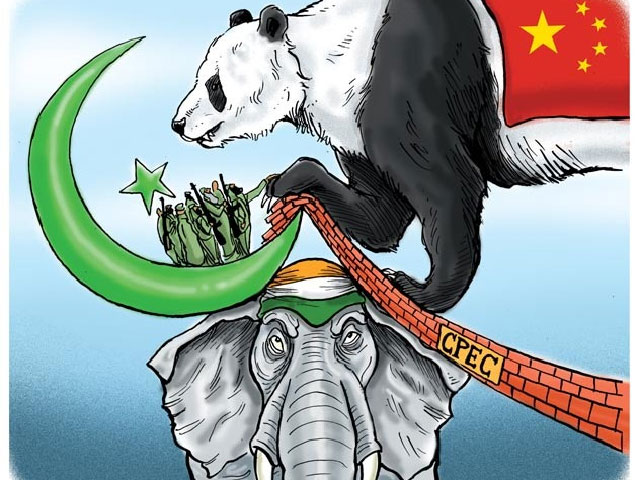
IndiaтАЩs position is further complicated by the reality of a 4,000 km long border, and a restive niggling Western front that the Dragon is ever ready to stoke. India may see the CPEC as an infringement on its sovereignty, but the BRI as a project is slowly but surely capturing the imagination of Asia as well as Europe. China is positioning it as the big promise of the 21st century to further trade, development and prosperity through an economically integrated Asia and Europe. It is clear that strategically, China is on a determined тАЬmarch WestтАЭ, wherein the contest for control of the Indian Ocean and Eurasia are part of a greater push which has but one destination тАФ the heart of Europe.

It is important that the US and India move beyond the scope of the 2015 Agreement that limits their mutual engagement to IndiaтАЩs Eastern seaboard, and craft a new partnership that includes the western expanse of the Indo Pacific across the Arabian Sea to the Cape of Good Hope.


They need to do this, not by themselves, but in conjunction with allies, through treaties and agreements, with cajoling, handholding and networked security arrangements. The network of treaties, norms and rule based agreements across the full sweep of the Indo Pacific must continue to evolve. Not to do so would be to allow Beijing to set the terms of engagement in this region by default.

This piece had begun by highlighting the virtue of strategic patience that has been the hallmark of the US in its dealings with India. Now, as the US discovers through its own experience that all true democracies can and do become fractious, when contentious domestic debates distract from strategic choices, it may be IndiaтАЩs turn to return the favour and demonstrate strategic patience.

There is merit in waiting: a stronger India is by itself a net positive for the United States as it finds itself stretched to capacity in Asia; and a US that emerges from its current political churn is bound to be a reliable partner as India stands up to defend a rules based order in this part of the world.

The views expressed above belong to the author(s).

Standard
Columns/Op-Eds

AI replicating same conceptions of gender roles that are being removed in real world

June 17, 2017, Economics Times, ToI

Original link is here

By Vidisha Mishra & Samir Saran

A recent article in The Guardian (goo.gl/UajcTp) estimated that the sex tech industry, which is less than adecade old, is already worth $30 billion. This estimate is expected to grow exponentially as industry gears up to unveil hyper-realistic female sex robots customised for men. This has two main implications: first, considerable money, time and effort are dedicated towards modelling machine behaviour to cater to male preferences by objectifying the female form. Second, the technology needed to drive these innovations are designed in most cases by male coders.

The gender equation is reinforced in another manner. While lines of code are written by men, artificial intelligence (AI) is often female. The fact that Siri, Alexa, Amelia, Amy and Cortana are all designed as hyperintelligent yet servile female chatbots is not coincidental.

On the other hand, womenтАЩs participation (and, therefore, data sets from women) in certain media fora is highly under-represented. A 2015 paper by the Observer Research FoundationтАЩs Sydney Anderson (тАШIndiaтАЩs Gender Digital Divide: Women and Politics on TwitterтАЩ, goo.gl/bovMGp) found womenтАЩs voices to be тАЬsignificantly under-representedтАЭ in online political conversations.

So, it is not surprising then that when Microsoft released the тАШmillennialтАЩ chatbot Tay in March 2016, she quickly adapted to her male-dominated ecosystem and started using racist slurs and sexually offensive language on Twitter. As coders and consumers of technology are largely male, they are crafting algorithms that absorb existing gender and racial prejudices.

AI is replicating the same conceptions of gender roles that are being removed in the real world. For instance, AppleтАЩs Siri, MicrosoftтАЩs Cortana and AmazonтАЩs Alexa are essentially modelled after efficient and subservient secretaries. This seemingly innocuous assignment of female characteristics to AI personalities has dangerous implications. These chatbots reportedly receive sexually-charged messages on a regular basis. More damaging still is the fact that they are programmed to respond deferentially or even play along with such suggestions. Essentially, sexual harassment that has now been made illegal in physical workplaces is normalised by AI.

Voices of disembodied, supportive AI tend to be female as both men and women find them less threatening. This comfort in issuing orders to a female voice is inherently problematic that tech companies have now acknowledged. Not only are companies investing in developing male bots and genderless bots, reportedly when someone asks Cortana, тАЬAre you a girl?тАЭ she replies, тАЬNo. But IтАЩm awesome like a girl.тАЭ Similarly, Alexa has been described as a тАШself-identified feministтАЩ.

While feminist female chatbots are encouraging, they can hardly solve the inbuilt sexism by design of AI. In 2015, Carnegie Mellon University researchers found that the Google search engine was less likely to show ads of highly paid jobs to women as compared to men. A 2016 study discovered that data-mining algorithms associated words like philosopher, captain, warrior and boss with maleness, while top results for тАШsheтАЩ were homemaker, nurse and receptionist.

As AI grows in influence and gender biases continue seeping through algorithms, existing inequalities will be exacerbated. In India, for instance, the legal sector is gradually embracing AI, which is expected to improve speed and efficiency by automating tasks such as document drafting, undertaking legal research and due diligence. Similarly, news-writing bots are now functioning in the world of journalism.

In both cases, AI will autonomously generate output by identifying story angles based on algorithms with тАШbuilt-inтАЩ criteria. When cases involving sexual violence and their portrayal in traditional news media are already under scrutiny, itтАЩs important to question how male-hegemonic data sets will impact future news stories and court coverage of sexual assault and other topics requiring greater gender sensitivity. Since only 29% of internet users and 28% of mobile phone owners in India are women, improving access to basic information and communication technology services and infrastructure remains critical.

There is nothing inherently empowering or sexist about technology. It just reflects the values of its creators.

(The writers are with Observer Research Foundation, New Delhi)

DISCLAIMER : Views expressed above are the author’s own.
Standard
Uncategorized

Time to restate the organising principles of BRICS

Samir Saran

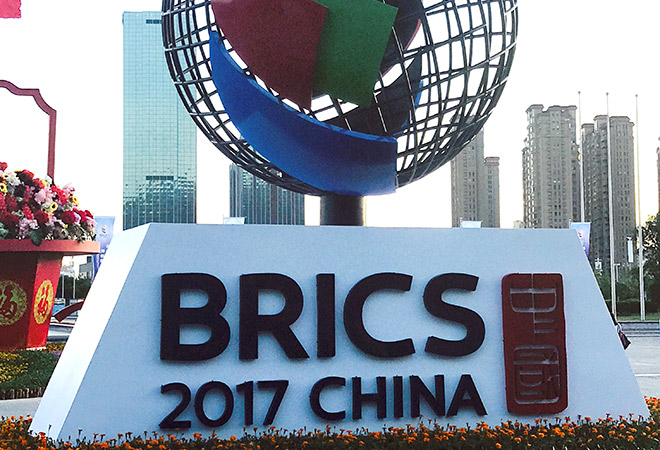
The text of the speech delivered by ORF Vice President Samir Saran at the inauguration of the 9th BRICS Academic Forum in┬аFuzhou, China.

рдЪреАрди, рдлреВрдЬреМ, рдмреНрд░рд┐рдХреНрд╕ рдЕрдХрд╛рджрдорд┐рдХ рдлреЛрд░рдо, ORF, рд╕рдореАрд░ рд╕рд░рди, рдПрдЬреЗрдВрдбреЗ, рднреВрдорд┐рдХрд╛, рдмрджрд▓рд╛рд╡, рд╡рд┐рдХрд▓реНтАНрдк, рд╕рдВрдкреНрд░рднреБрддрд╛, рд╕рд╛рд░реНрд╡рднреМрдо рд╕рдорд╛рдирддрд╛, рд╕рдореНрдорд╛рди, рдЬреАрдбреАрдкреА, рд╕реИрдиреНрдп рд╢рдХреНрддрд┐, рдирдИ рджреБрдирд┐рдпрд╛, рдЕрдЧреБрд╡рд╛рдИ, рдЖрд╡рд╢реНрдпрдХрддрд╛, рд╕рдВрд╕реНрдерд╛рдЧрдд, рд╕рдлрд▓рддрд╛, рдЖрд╡рд╢реНрдпрдХрддрд╛, 2016, BRICS, рд╡рд┐рдХрд╛рд╕, рдорд╣рддреНрд╡рдкреВрд░реНрдг

Excellencies, colleagues and friends, members of the academic community and think tankers from the BRICS countries..

Warm greetings from the Indian academic delegation. We are delighted to be here and look forward to two days of debates, discussions and the opportunity to renew old friendships and begin new ones. On behalf of our team, I thank our hosts, the China Council for BRICS Think Tank Cooperation for the wonderful setting and immaculate arrangements, and for all the work that has gone into putting this together.

We, the BRICS Think Council met this morning to take stock of all that transpired under the Indian leadership of BRICS in 2016 and to deliberate on what we would like our governments to pursue under the Chinese Presidency. We will, at the end of the two days, put forward an outcome document that will capture our wish list flowing from the conversations that will happen here. Each of you тАФ through your presentations and interventions will co-author this document тАФ┬аso I encourage all to┬аparticipate vigorously in the debates that lie ahead.

This is a special year. We are meeting at the 9th Academic Forum, and at the end of this year, we will be completing 10 years of our cooperation.

The BRICS next year will be turning 10 as an institution.

As we complete the first decade of this partnership, it is perfect moment to look back and look ahead. It is perhaps time to restate the BRICS agenda, relocate the role of BRICS in the world of today тАФ that is changing fast тАФ and reaffirm the organising principles that brought us together.

The BRICS agenda and its role must continue to be shaped by two words: “change” and “alternative”.

We came together to change the lives of millions in our countries, and in countries around us, that have been left out of the economic mainstream and have been left behind. Their lives must change, their aspirations need to be catered to. We must consider their future to be ours. This ambition is now encapsulated in the SDG Goals and other development challenges that humanity has accepted as being vital. BRICS must lead this process with their energy and leadership, with their experience and resources and with compassion тАФ a changed development paradigm must be at the core of the BRICS agenda for the next 10 years.

The second word we must always focus on is “alternative”. We must achieve this change through alternate pathways, one that are inclusive, democratic, participatory and sustainable. A BRICS counter-narrative, an┬аalternative must be crafted amongst the academic community. We are unlikely to change the world if we follow the same pathway that the developed world discovered. Be it healthcare or wellness , be it migration policies, be it the way we organise our cities and fuel them, educate our people and unleash their creative energies, we will need to discover and document BRICS solutions that will offer a counter point to the knowledge regimes that define the world of yesterday. And this must be a central quest of the BRICS academic community.

As we move towards being this force of positive change, we will need to create more institutions and frameworks to make it happen. The New Development Bank, the Contingency Reserve Arrangement are just the beginning. The BRICS institutionalisation would be a pre-requisite for its success. In 2016, the Indian Presidency recognised this to be the single most important aspect of BRICS development тАФ it proposed research institutions, rating agencies, bodies that would strengthen trade and commerce and frameworks that would deepen intra-BRICS cooperation. This project must indeed be continued under the Chinese leadership as we move to South Africa in 2018.

I mentioned that we need to relocate BRICS in the new world. Indeed it is a new world, since we last met in New Delhi, change has swept through US and Europe and more change is coming. Some of the assumptions of the past decade around trade and globalisation may no longer be valid and nationalism and petty politics seems to be a secular phenomenon.

The BRICS leadership is needed at these times.

It seems BRICS will need to be the architects and new champions of a new format of multilateralism and indeed of globalisation 2.0.

As we infuse energy and leadership into these two processes, revitalise global trade, global financial flows, movement of people and ideas and indeed challenge the disruption to the process of global integration, it will require all of us to make a new case and a new blue print тАФ where our individual roles and collective responsibilities will need to be reaffirmed. We will need to navigate this process through our own political systems, something that clearly is not easy for some of us.

A quick note of caution, even as we witness power vacuum and leadership gap, we must resist the temptation to fill those spaces with more of the same, The hegemonic structures and actors must not be replaced by a new hegemon. The paternalistic political structures must not be now owned by a different country or group of countries, otherwise we will not be agents of change and creators of counter-narratives. We will remain the servers of status quo and prisoners to power.

It is time to restate the organising principles of BRICS as I see them. Two factors more than any other have allowed us to come together and work together over the past 10 years.

  • Respect for sovereignty of each other, and those around us, and,
  • The common demand for pluralism and democracy in the conduct of international affairs.

BRICS has always respected sovereignty and sovereign equality. It is only here at BRICS that irrespective of our GDPs and military might, each of us have equal voice, equal voting rights and plural discursive space. We have respected each others’ sovereign concerns admirably and we have served the cause of democracy in the conduct of international relations well. We have to preserve and re-serve these organising principles.

Even as we all evolve in our own ways, these must remain the core principles for BRICS. There have been some headwinds recently that have drawn my attention to these aspects. Since we are among friends, I should unhesitatingly draw your attention to these тАФ if we lose this ethos and ethic тАФ┬аwe lose the BRICS.

I┬аthank our hosts once again and look forward to two days with you.┬аNamaste.

Standard
Columns/Op-Eds, Digital India

Staying away from ChinaтАЩs Belt and Road Initiative must be backed by India strengthening its own (digital) backbone

June 9, 2017,

By Samir Saran & Arun Sukumar

Original link is here

External engagement is a factor of internal priorities. This has been an abiding tenet of IndiaтАЩs foreign policy. Which is why itтАЩs puzzling that New DelhiтАЩs policy towards ChinaтАЩs тАШBelt and Road InitiativeтАЩ (BRI) is out of touch with the reality of Chinese involvement in IndiaтАЩs own economy.

When the Pakistani daily, Dawn, revealed ChinaтАЩs plans to build PakistanтАЩs internet backbone via the China-Pakistan Economic Corridor (CPEC) last month (goo.gl/ttMtha), influential voices in India scoffed at IslamabadтАЩs open invitation to Beijing to surveil its society. China is not only creating PakistanтАЩs fibre optic backbone but it is also developing its digital infrastructure for law and order тАШmonitoring and controlтАЩ.

The Chops and the Sticks
Just as the CPEC is BRIтАЩs flagship project, the creation of information and communication technology (ICT) ecosystems is the most important element of BRI. In no other area will BeijingтАЩs influence on BRI member states be more pronounced than in cyberspace. Because China can supply digital goods at extremely competitive prices.

India has stayed away from BRI to counter ChinaтАЩs influence on the regionтАЩs economies. This concern was eloquently articulated in 2015 by foreign secretary S Jaishankar, who suggested China was looking to тАЬhard wireтАЭ norms of governance in Asia.

cpec

Digital spaces, in the absence of settled international regimes, are ripe for such hardwiring. Unfortunately, this concern is acute in IndiaтАЩs own digital economy.

Sample these statistics from the Kleiner Perkins Internet Trends 2017 report released on May 31. Four of the top-selling five smartphones in India today are Chinese: Lenovo, Oppo, Vivo and Xiaomi. Their collective market share grew from a modest 15 per cent in 2014 to an astonishing 52 per cent by the first quarter of 2017. More importantly, this growth came at the cost of Indian manufacturers, whose market share declined exactly in reverse, from 45 per cent to 15 per cent in three years.

The report also suggests UC Browser, developed by ChinaтАЩs internet giant Alibaba, has carved out a 50 per cent share of IndiaтАЩs mobile browser market. A 2015 ExIm bank report concluded that India is ChinaтАЩs largest тАЬrecipient of capital investment in electronicsтАЭ. In 2013-14, China accounted for a staggering 58 per cent of all electronic imports to India.

So, one could argue that all roads from ChinaтАЩs digital economy lead to India. Given BeijingтАЩs pervasive reach over IndiaтАЩs IT ecosystem, is it anyoneтАЩs case that BRI policies will not affect New Delhi?

The Indian response to ChinaтАЩs domination of its digital economy should not be to ban Chinese products and services. That would only halt the surge in internet penetration in India, and go against the grain of this governmentтАЩs тАШDigital IndiaтАЩ and тАШMake in IndiaтАЩ initiatives. If anything, ChinaтАЩs technology giants must be invited to build capacity in India, whether in high-end manufacturing, data analytics abilities or through financing R&D in Indian universities. They must be encouraged to be honest interlocutors and to refrain from exploitative trade activities.

Fasten the Belt on the Road
From a strategic perspective, it must be ensured that ChinaтАЩs creeping influence over cyberspace rules does not pose a challenge for India. Indian players should not find themselves shut out by Chinese competition from the regionтАЩs digital economies, or at the very least, from their own.

Boycotting the Belt and Road Summit in Beijing last month was New DelhiтАЩs political signal to Asian countries that it is willing to challenge ChinaтАЩs economic influence in the region.

This resistance cannot be premised on providing loans, products or services for the digital economy at par with China, not when IndiaтАЩs own market relies heavily on Chinese players.

It should, instead, be driven by a multilateral effort тАФ led by India and other major economies like Japan, Singapore and South Korea тАФ to set norms of governance for cyberspace in Asia. Such an effort would involve both a high-level understanding on the strategic and military uses of cyberspace, and dialogue between major industrial players on the technical standards and protocols to be adopted by them.

A rule-based ecosystem is the only way to prevent Chinese companies from dumping cheap devices in foreign markets, and gaming regulations to suit their products. But to incubate such an effort, India needs to articulate its own laws on data integrity, encryption, the access for law enforcement to electronic data, the Internet of Things and digital payments.

IndiaтАЩs most effective antidote to Chinese influence in Asia is the creation of an open domestic market, serving the тАШDigital IndiaтАЩ goals of inclusive and affordable connectivity, but secure and reliable enough that other jurisdictions can emulate as their own.

Without a baseline reference for the global standards it seeks to promote, India will also not be able to stem the influence of China in Asian markets.

Foreign policy is decisive in the pursuit of IndiaтАЩs strategic interests. But it is merely an extension of its domestic values and principles. A Digital India serves IndiaтАЩs interest when it is attractive to others and offers solutions others seek to embrace. IndiaтАЩs forceful show of intent by staying away from BRI must be backed by its own strategy to moderate ChinaтАЩs rise.

And that work begins at home.

(The writers are with the Observer Research Foundation, New Delhi)

Standard
Uncategorized

рдкрд╛рдХ рдФрд░ рдкреАрдУрдХреЗ рдореЗрдВ рдЪреАрди рдЦреЛрдЬ рд░рд╣рд╛ рдорд╛рдХреВрд▓ рдЬрдЧрд╣

Samir Saran

рд╕реАрдкреАрдИрд╕реА рди рдХреЗрд╡рд▓ ‘рдкрд░рд╕реНрдкрд░ рд╕рдореНрдорд╛рди’ рдХреЗ рдкрдВрдЪрд╢реАрд▓ рдХреЗ рдорд╣рд╛рди рд╕рд┐рджреНрдзрд╛рдВрдд рдХреА рдзрдЬреНрдЬрд┐рдпрд╛рдВ рдЙрдбрд╝рд╛рдПрдЧрд╛, рдмрд▓реНрдХрд┐ рдХрд╢реНрдореАрд░ рд╡рд┐рд╡рд╛рдж рдХреЗ рдХрд┐рд╕реА рднреА рд╢рд╛рдВрддрд┐рдкреВрд░реНрдг рд╕рдорд╛рдзрд╛рди рдХреА рд╕рд╛рд░реА рд╕рдВрднрд╛рд╡рдирд╛рдУрдВ рдХреЛ рднреА рдЦрддреНрдо рдХрд░ рджреЗрдЧрд╛ред

CPEC, China, sovereign claim, Gwadar

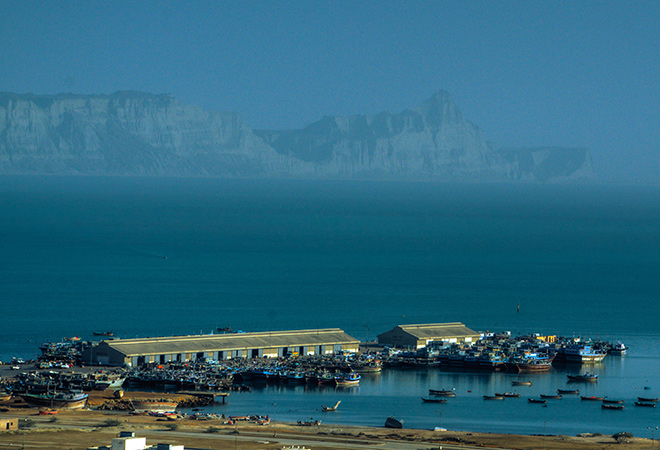
рдЧреНрд╡рд╛рджрд░, рдкрд╛рдХрд┐рд╕реНрддрд╛рди

рд╕реНрд░реЛрдд: рдлреНрд▓рд┐рдХрд░ рдпреВрдЬрд╝рд░┬ардЙрдореИрд░рдЕрджреАрдм

рдЪреАрди рдЗрд╕ рд╕рдкреНрддрд╛рд╣ рдХрдИ рджреЗрд╢реЛрдВ рдХреЗ рд░рд╛рд╖реНрдЯреНрд░рд╛рдзреНрдпрдХреНрд╖реЛрдВ рдХреЗ рд╕рдореНрдореЗрд▓рди рдХреЗ рдЬрд░рд┐рдпреЗ рд╡рди рдмреЗрд▓реНрдЯ, рд╡рди рд░реЛрдб (рдУрдмреАрдУрдЖрд░) рдкрд╣рд▓ рдХреЛ рд░рд╛рдЬрдиреАрддрд┐рдХ рд░реВрдк рд╕реЗ рдмрдбрд╝реЗ рдкреИрдорд╛рдиреЗ рдкрд░ рджреБрдирд┐рдпрд╛ рдХреЗ рд╕рд╛рдордиреЗ рдкреНрд░рджрд░реНрд╢рд┐рдд рдХрд░рдиреЗ рдХреА рдЬреБрдЧрдд рдореЗрдВ рд▓рдЧрд╛ рд╣реИред рдЗрд╕реЗ рджреЗрдЦрддреЗ рд╣реБрдП рднрд╛рд░рдд рдХреЛ рднреА рдЕрдкрдиреА рдПрдХ рдареЛрд╕ рдФрд░ рдордЬрдмреВрдд рдиреАрддрд┐ рдмрдирд╛рдиреЗ рдХреА рдЬрд░реБрд░рдд рд╣реИред рдкрд┐рдЫрд▓реЗ рджреЛ рд╡рд░реНрд╖реЛрдВ рд╕реЗ рднрд╛рд░рдд рдЧреМрд░ рд╕реЗ рджреЗрдЦ рд░рд╣рд╛ рд╣реИ рдХрд┐ рдЪреАрди рдХрд┐рд╕ рдкреНрд░рдХрд╛рд░ рдУрдмреАрдУрдЖрд░ рдХреЗ рд▓рд┐рдП рд░рд╛рдЬрдиреАрддрд┐рдХ рд╕рдорд░реНрдерди рдкрд╛рдиреЗ рдХреЗ рд▓рд┐рдП рдПрд╢рд┐рдпрд╛рдИ рд╢рдХреНрддрд┐рдпреЛрдВ рдкрд░ рдбреЛрд░реЗ рдбрд╛рд▓рдиреЗ рдХреА рдХреЛрд╢рд┐рд╢ рдХрд░рддрд╛ рд░рд╣рд╛ рд╣реИред рднрд╛рд░рдд рдиреЗ рдмрд╣реБрдд рдмрд╛рд░реАрдХреА рд╕реЗ рдЪреАрди рдХреЛ рдмрддрд╛ рджрд┐рдпрд╛ рд╣реИ рдХрд┐ рдЗрддрдиреЗ рдмрдбрд╝реЗ рдкреИрдорд╛рдиреЗ рдкрд░ рдПрдХ рдЕрдВрддрдГрдХреНрд╖реЗрддреНрд░реАрдп рдкрд░рд┐рдпреЛрдЬрдирд╛ рдХреЗ рд▓рд┐рдП рдкрд╣рд▓реЗ рдПрдХ рд╡реНрдпрд╛рдкрдХ рдкрд░рд╛рдорд░реНрд╢ рдХрд┐рдП рдЬрд╛рдиреЗ рдХреА рдЬрд░реБрд░рдд рд╣реИред

рдЬрдм рдЪреАрди рдиреЗ рднрд╛рд░рдд рдХреА рдЗрд╕ рдЧреБрдЬрд╛рд░рд┐рд╢ рдХреЛ рддрд╡рдЬреНрдЬреЛ рдирд╣реАрдВ рджреА рддреЛ рднрд╛рд░рдд рдиреЗ рдЬрдореНрдореВ рдПрд╡рдВ рдХрд╢реНрдореАрд░ рдХреЗ рдЙрди рдХреНрд╖реЗрддреНрд░реЛрдВ рдкрд░ тАФ┬ардЬрд┐рдирд╕реЗ рд╣реЛрдХрд░ рдЪреАрди-рдкрд╛рдХрд┐рд╕реНрддрд╛рди рдЖрд░реНрдерд┐рдХ рдЧрд▓рд┐рдпрд╛рд░рд╛ (рд╕реАрдкреАрдИрд╕реА) рдЧреБрдЬрд░реЗрдЧрд╛-рдЕрдкрдиреЗ рдЦреБрдж рдХреЗ рд╕рдВрдкреНрд░рднреБрддрд╛рдкреВрд░реНрдг рджрд╛рд╡реЗ рдХреЛ рд▓реЗрдХрд░ рдмрд┐рд▓реНрдХреБрд▓ рд╕рд░реНрд╡реЛрдЪреНрдЪ рд╕реНрддрд░ рдкрд░ рдЕрдкрдиреА рдЪрд┐рдВрддрд╛рдПрдВ рдЬрд╛рд╣рд┐рд░ рдХрд░рдиреА рд╢реБрд░реБ рдХрд░ рджреАред

рднрд╛рд░рдд рдХреА рд╕рдВрд╡реЗрджрдирд╢реАрд▓рддрд╛ рдХреЗ рдкреНрд░рддрд┐ рдЪреАрди рдХреА рдШреЛрд░ рдЙрдкреЗрдХреНрд╖рд╛ рдХреЛ рджреЗрдЦрддреЗ рд╣реБрдП рдРрд╕рд╛ рд▓рдЧрддрд╛ рд╣реИ рдХрд┐ рдУрдмреАрдУрдЖрд░ рдХреА рдЖрд░реНрдерд┐рдХ рдХреНрд╖рдорддрд╛ рдХреЛ рд▓реЗрдХрд░ рдХреЛрдИ рднреА рдмрд╣рд╕ рдЕрдм рдЕрд╡реНрдпрд╛рд╡рд╣рд╛рд░рд┐рдХ рд╣реЛ рдЧрдИ рд╣реИред рднрд╛рд░рдд рдУрдмреАрдУрдЖрд░ рдореЗрдВ рд╢рд╛рдорд┐рд▓ рд╣реЛ рдпрд╛ рди рд╣реЛ, рдЗрд╕ рд╡рд┐рд╖рдп рдкрд░ рддрдм рддрдХ рдХреЛрдИ рдЧрдВрднреАрд░ рдмрд╣рд╕ рдирд╣реАрдВ рд╣реЛ рд╕рдХрддреА рдЬрдм рддрдХ рднрд╛рд░рдд рдпрд╣ рдорд╣рд╕реВрд╕ рдирд╣реАрдВ рдХрд░рддрд╛ рдХрд┐ рдЗрд╕ рдкрд░рд┐рдпреЛрдЬрдирд╛ рджреНрд╡рд╛рд░рд╛ рдЙрд╕рдХреА рд░рд╛рдЬрдиреАрддрд┐рдХ рд╕рдВрдкреНрд░рднреБрддрд╛-рдЬреЛрдХрд┐ рд╢рд╛рд╕рди рдХрд╛ рдореВрд▓ рдЖрдзрд╛рд░ рд╣реИ-рдХрд╛ рд╕рдореНрдорд╛рди рдХрд┐рдпрд╛ рдЬрд╛ рд░рд╣рд╛ рд╣реИред рдЗрд╕рдХреЗ рдмрд┐рд▓реНрдХреБрд▓ рдЙрд▓рдЯ, рд╕реАрдкреАрдИрд╕реА (рдУрдмреАрдУрдЖрд░ рдХрд╛ рдЬреАрд╡рди рдФрд░ рдЙрд╕рдХреА рдЖрддреНрдорд╛) рдРрд╕реЗ рд▓рд╣рдЬреЗ рдореЗрдВ рднрд╛рд░рдд рдХреА рдХреНрд╖реЗрддреНрд░реАрдп рдЕрдЦрдВрдбрддрд╛ рдХреЛ рдзрдордХреА рджреЗ рд░рд╣рд╛ рд╣реИ рдЬреЛ 1962 рдХреЗ рдмрд╛рдж рд╕ рдЕрдм рддрдХ рдирд╣реАрдВ рджреЗрдЦрд╛ рдЧрдпрд╛ рдерд╛ред

рднрд╛рд░рдд рдХреА рд╕рдВрд╡реЗрджрдирд╢реАрд▓рддрд╛ рдХреЗ рдкреНрд░рддрд┐ рдЪреАрди рдХреА рдШреЛрд░ рдЙрдкреЗрдХреНрд╖рд╛ рдХреЛ рджреЗрдЦрддреЗ рд╣реБрдП рдРрд╕рд╛ рд▓рдЧрддрд╛ рд╣реИ рдХрд┐ рдУрдмреАрдУрдЖрд░ рдХреА рдЖрд░реНрдерд┐рдХ рдХреНрд╖рдорддрд╛ рдХреЛ рд▓реЗрдХрд░ рдХреЛрдИ рднреА рдмрд╣рд╕ рдЕрдм рдЕрд╡реНрдпрд╛рд╡рд╣рд╛рд░рд┐рдХ рд╣реЛ рдЧрдИ рд╣реИред

рдЪреАрди рдиреЗ рдкрд╛рдХрд┐рд╕реНрддрд╛рди рдХреЗ рд╕рд╛рде рдЕрдкрдиреЗ рдЖрд░реНрдерд┐рдХ рдЧрд▓рд┐рдпрд╛рд░реЗ рдХреЗ рдЬрд░рд┐рдпреЗ рдЬрдирд╕рд╛рдВрдЦреНрдпрд┐рдХреАрдп рдПрд╡рдВ рднреМрдЧреЛрд▓рд┐рдХ рд╕реАрдорд╛рдУрдВ рдХреА рд░реВрдкрд░реЗрдЦрд╛ рдХреЛ рдирд╛рдЯрдХреАрдп рддрд░реАрдХреЗ рд╕реЗ рдлрд┐рд░ рд╕реЗ рдмрдирд╛рдиреЗ рдХрд╛ рдкреНрд░рд╕реНрддрд╛рд╡ рд░рдЦрд╛ рд╣реИред рд╡рд╣ рдПрдХ рдмреЗрдкрд░рд╡рд╛рд╣ рдФрд░ рдирд┐рд░реНрд▓рдЬреНрдЬ, рд╕рдВрдШрд░реНрд╖рдкреВрд░реНрдг рдФрд░ рдирд╡-рдФрдкрдирд┐рд╡реЗрд╢рд┐рдХ рдЯрдХрд░рд╛рд╡ рдХреЗ рддрд░реАрдХреЗ рд╕реЗ рджрдХреНрд╖рд┐рдг рдПрд╢рд┐рдпрд╛ рдкрд░ рдХрдмреНрдЬрд╛ рдХрд░рдиреЗ рдХреА рдХреЛрд╢рд┐рд╢ рдХрд░ рд░рд╣рд╛ рд╣реИред

рдЪреАрди рдЗрд╕ рд╡реНрдпрд╛рдкрдХ рдХреНрд╖реЗрддреНрд░ рдореЗрдВ рд▓рдЧрд╛рддрд╛рд░ рдорд╣рддреНрд╡рдкреВрд░реНрдг рдЕрдЪрд▓ рдкрд░рд┐рд╕рдВрдкрддреНрддрд┐рдпреЛрдВ рдкрд░ рдХрдмреНрдЬрд╛ рдХрд░ рд░рд╣рд╛ рд╣реИред рд╡рд╣ рджрдХреНрд╖рд┐рдг рдЪреАрди рд╕рд╛рдЧрд░ рдореЗрдВ рджреНрд╡реАрдкреЛрдВ рдХрд╛ рдирд┐рд░реНрдорд╛рдг рдХрд░ рд░рд╣рд╛ рд╣реИ, рдкреВрд░реНрд╡реА рдЪреАрди рд╕рд╛рдЧрд░ рдореЗрдВ рдкрдбрд╝реЛрд╕реА рджреЗрд╢реЛрдВ рдХреЗ рдХреНрд╖реЗрддреНрд░реАрдп рджрд╛рд╡реЛрдВ рдХреЛ рдирдХрд╛рд░ рд░рд╣рд╛ рд╣реИ рдФрд░ рдпрд╣рд╛рдВ рддрдХ рдХрд┐ рдорд▓рдХреНрдХрд╛ рдЬрд▓рдбрдорд░реВрдордзреНрдп рдореЗрдВ рднреА рдФрд░ рдЕрдзрд┐рдХ рдирд┐рдпрдВрддреНрд░рдг рд╕реНрдерд╛рдкрд┐рдд рдХрд░рдиреЗ рдХреА рдЬреБрдЧрдд рдореЗрдВ рд▓рдЧрд╛ рд╣реИред

рдЪреАрди рдиреЗ рд╡рд┐рддреНрддреАрдп рд╕рдВрд╕рд╛рдзрдиреЛрдВ рдХреЗ рдЬрд░рд┐рдпреЗ рдордзреНрдп рдПрд╢рд┐рдпрд╛ рдореЗрдВ рдЕрдкрдирд╛ рд░рд╛рдЬрдиреАрддрд┐рдХ рд╡рд░реНрдЪрд╕реНрд╡ рд╕реНрдерд╛рдкрд┐рдд рдХрд░ рд▓рд┐рдпрд╛ рд╣реИред рдЕрдм рдЙрд╕рдХреА рдХреЛрд╢рд┐рд╢ рд╕реАрдкреАрдИрд╕реА рдорд╛рд░реНрдЧ рдХреЗ рдЬрд░рд┐рдпреЗ рди рдХреЗрд╡рд▓ рдЧреНрд╡рд╛рджрд░ рдореЗрдВ рдмрд▓реНрдХрд┐ рдЧрд┐рд▓рдЧрд┐рдЯ-рдмрд╛рд▓реНрдЯрд┐рд╕реНрддрд╛рди рдореЗрдВ рднреА рдКрдкрд░реА рддреМрд░ рдкрд░ рддреЛ рдХреЗрд╡рд▓ рдЖрд░реНрдерд┐рдХ рд▓реЗрдХрд┐рди рдЧреБрдкреНрдд рддрд░реАрдХреЗ рд╕реЗ рд╕реИрдиреНрдп рдХреЗрдВрджреНрд░ рдФрд░ рд╕реИрдиреНрдп рдЖрдзрд╛рд░ рд╕реНрдерд╛рдкрд┐рдд рдХрд░рдиреЗ рдХреА рднреА рд╣реИред

рдкрд╛рдХрд┐рд╕реНрддрд╛рди рдЪреАрди рдХреЗ рд╕рдВрд░рдХреНрд╖рдг рдПрд╡рдВ рдЙрд╕рдХреЗ рдзрди рдХреЗ рдмрджрд▓реЗ рдЙрд╕реЗ рдЗрд╕ рдкреНрд░рдХрд╛рд░ рдХреЗ рдХреНрд╖реЗрддреНрд░ рд╕реМрдВрдк рджреЗрдиреЗ рдХреЛ рддреИрдпрд╛рд░ рд╣реИред рдЗрд╕рдХрд╛ рд╕рдмрд╕реЗ рд╕реНрдкрд╖реНрдЯ рдЙрджрд╛рд╣рд░рдг ‘рдЬрдореАрдиреА рд╕реНрддрд░ рдкрд░ рддрдереНрдпреЛрдВ’ рдХреЛ рдмрджрд▓рдиреЗ рдХреЗ рджреНрд╡рд╛рд░рд╛ рдХрд╢реНрдореАрд░ рд╡рд┐рд╡рд╛рдж рдХрд╛ рд░рд╛рдЬрдиреАрддрд┐рдХ рд╕рдорд╛рдзрд╛рди рдвреВрдВрдврдиреЗ рдХрд╛ рдкреНрд░рдпрд╛рд╕ рд╣реИред

рдЕрдЧрд░ рдЪреАрди рд╡рд┐рд╡рд╛рджрд┐рдд рд╕рдореБрджреНрд░реЛрдВ рдореЗрдВ рдкреВрд░реЗ рджреНрд╡реАрдк рдХрд╛ рдирд┐рд░реНрдорд╛рдг рдХрд░рдиреЗ рдХреЗ рдЬрд░рд┐рдпреЗ рджрдХреНрд╖рд┐рдг рдЪреАрди рд╕рд╛рдЧрд░ рдореЗрдВ рдХрд╛рдордпрд╛рдм рд╣реЛ рдЧрдпрд╛ рддреЛ рд╕реАрдкреАрдИрд╕реА рдРрд╕реА рд╕реНрдерд╛рдпреА рдпрд╛ рдЕрд░реНрдз-рд╕реНрдерд╛рдпреА рдкрд░рд┐рдпреЛрдЬрдирд╛рдУрдВ рдХрд╛ рдирд┐рд░реНрдорд╛рдг рдХрд░реЗрдЧрд╛ рдЬреЛ рдЧрд┐рд▓рдЧрд┐рдЯ-рдмрд╛рд▓реНрддрд┐рд╕реНрддрд╛рди рдореЗрдВ рдЕрд░реНрдерд╡реНрдпрд╡рд╕реНрдерд╛ рдПрд╡рдВ рд╕рдорд╛рдЬ рдХреА рдкреНрд░рдХреГрддрд┐ рдХреЛ рдмрджрд▓ рджреЗрдЧреАред рдЗрд╕ рдХреНрд╖реЗрддреНрд░ рдореЗрдВ рдЪреАрдиреА рддрдерд╛ рдкрдВрдЬрд╛рдмрд┐рдпреЛрдВ рдХреА рдмрд╛рдврд╝ рд╕реА рдЖ рдЬрд╛рдПрдЧреА рдЬреЛ рди рдХреЗрд╡рд▓ рдЗрд╕ рд╕реНрдерд╛рди рдХрд╛ рджреЛрд╣рди рдХрд░реЗрдВрдЧреЗ рдмрд▓реНрдХрд┐ рд╕рд╛рдЭрд╛ рд▓рд╛рдн рдХреЗ рд▓рд┐рдП рдЗрд╕рдХреА рд╕рднреНрдпрддрд╛ рдХреЛ рднреА рдирд╖реНрдЯ рдХрд░ рдбрд╛рд▓реЗрдВрдЧреЗред

рд╕реАрдкреАрдИрд╕реА рди рдХреЗрд╡рд▓ ‘рдкрд░рд╕реНрдкрд░ рд╕рдореНрдорд╛рди’ рдХреЗ рдкрдВрдЪрд╢реАрд▓ рдХреЗ рдорд╣рд╛рди рд╕рд┐рджреНрдзрд╛рдВрдд рдХреА рдзрдЬреНрдЬрд┐рдпрд╛рдВ рдЙрдбрд╝рд╛рдПрдЧрд╛, рдмрд▓реНрдХрд┐ рдХрд╢реНрдореАрд░ рд╡рд┐рд╡рд╛рдж рдХреЗ рдХрд┐рд╕реА рд╢рд╛рдВрддрд┐рдкреВрд░реНрдг рд╕рдорд╛рдзрд╛рди рдХреА рд╕рд╛рд░реА рд╕рдВрднрд╛рд╡рдирд╛рдУрдВ рдХреЛ рднреА рдЦрддреНрдо рдХрд░ рджреЗрдЧрд╛ред рд╡рд╛рд╕реНрддрд╡ рдореЗрдВ, рдкрд╛рдХрд┐рд╕реНрддрд╛рди рдПрд╡рдВ рдЪреАрди рдпрд╣ рд╕реБрдЭрд╛рд╡ рджреЗ рд░рд╣реЗ рд╣реИрдВ рдХрд┐ рдЗрд╕ рдмрд╛рдд рдкрд░ рд╡рд┐рдЪрд╛рд░ рдХрд┐рдпрд╛ рдЬрд╛ рд╕рдХрддрд╛ рд╣реИ рдХрд┐ рдЬрдореНрдореВ рдХрд╢реНрдореАрд░ (рдФрд░ рдЧрд┐рд▓рдЧрд┐рдЯ-рдмрд╛рд▓реНрддрд┐рд╕реНрддрд╛рди рддрдерд╛ рд╕рдВрднрд╡рддрдГ рд▓рджреНрд╡рд╛рдЦ) рдХреЛ рдЙрдирдХреА рд╡рд┐рд╢рд┐рд╖реНрдЯ рдЖрд░реНрдерд┐рдХ, рд░рд╛рдЬрдиреАрддрд┐рдХ рдПрд╡рдВ рд╕реИрдиреНрдп рд╡рд┐рд╢реЗрд╖рддрд╛рдУрдВ рдХреЗ рдЖрдзрд╛рд░ рдкрд░ рдЕрд▓рдЧ рдЕрд▓рдЧ рдЗрдХрд╛рдЗрдпреЛрдВ рдореЗрдВ рдЬреБрджрд╛ рдХрд░ рджрд┐рдпрд╛ рдЬрд╛рдПред

рд╕реАрдкреАрдИрд╕реА рд╕реЗ рдЗрд╕ рдЖрд╢рдВрдХрд╛ рдХреЛ рднреА рдмрд▓ рдорд┐рд▓ рд░рд╣рд╛ рд╣реИ рдХрд┐ рдкрд╛рдХрд┐рд╕реНрддрд╛рди рджреНрд╡рд╛рд░рд╛ рджреА рдЧрдИ рдЖрд░реНрдерд┐рдХ рд░рд┐рдпрд╛рдпрдд рдХреЗ рдЬрд░рд┐рдпреЗ рд╡реЗ рдХреНрд╖реЗрддреНрд░ рднреА рд╕реМрдВрдк рджрд┐рдП рдЬрд╛рдПрдВрдЧреЗ рдЬрд┐рд╕рдХреЗ рд▓рд┐рдП 1963 рдХрд╛ рдЪреАрди-рдкрд╛рдХрд┐рд╕реНрддрд╛рди рд╕рдордЭреМрддрд╛ рдПрдХ рдкреВрд░реНрд╡ рдЙрджрд╛рд╣рд░рдг рд╣реИред рд╡рд┐рдбрдВрдмрдирд╛ рдпрд╣ рд╣реИ рдХрд┐ рд╡рд┐рд╡рд╛рджрд┐рдд рдХреНрд╖реЗрддреНрд░реЛрдВ рдореЗрдВ рдЖрд░реНрдерд┐рдХ рдЧрддрд┐рд╡рд┐рдзрд┐рдпреЛрдВ рдореЗрдВ рдЪреАрди рдХреА рднрд╛рдЧреАрджрд╛рд░реА рддрд╛рдИрд╡рд╛рди рдПрд╡рдВ рддреАрд╕рд░реЗ рдкрдХреНрд╖реЛрдВ рдХреЗ рдмреАрдЪ рдПрдлрдЯреАрдП рдкрд░ рдЙрд╕рдХреА рдЦреБрдж рдХреА рдиреАрддрд┐рдЧрдд рдкреНрд░рдХреГрддрд┐ рдХреЗ рдЦрд┐рд▓рд╛рдл рд╣реИред

рд╕реАрдкреАрдИрд╕реА рдореЗрдВ рдирд┐рд╡реЗрд╢ рдХреЗ рдорд╛рдорд▓реЗ рдореЗрдВ рдмреНрд░рд┐рдЯреЗрди рдПрд╡рдВ рдИрдпреВ рдХреА рдорд┐рд▓реАрднрдЧрдд рд╣реИред рд╡рд╛рд╕реНрддрд╡ рдореЗрдВ, рдЪреАрди рдПрд╢рд┐рдпрд╛ рдореЗрдВ рдкрд╢реНрдЪрд┐рдореА рд░рд╛рдЬрдиреАрддрд┐рдХ рд▓рд╛рдн рдХреЛ рд╕реАрдорд┐рдд рдХрд░рдиреЗ рдФрд░ рднрд╛рд░рдд рд╡рд┐рд░реЛрдзреА рдЙрдЧреНрд░рд╡рд╛рдж рдХрд╛ рдкреНрд░рд╛рдпреЛрдЬрди рдЬрд╛рд░реА рдХрд░рдиреЗ рдХреЗ рд▓рд┐рдП рдпреВрд░реЛрдк рдХреЗ рдзрди рдХрд╛ рдЗрд╕реНрддреЗрдорд╛рд▓ рдХрд░ рд░рд╣рд╛ рд╣реИред

рд╢рд┐рдирдЬрд┐рдпрд╛рдВрдЧ рдкреНрд░рд╛рдВрдд рдореЗрдВ рдЪреАрди рдХрд╛ рдХрдЯреНрдЯрд░рдкрдВрдереА рджреГрд╖реНрдЯрд┐рдХреЛрдг рдЗрд╕ рдмрд╛рдд рдХрд╛ рд╕рдВрдХреЗрдд рджреЗрддрд╛ рд╣реИ рдХрд┐ рд╕реАрдкреАрдИрд╕реА рдЧрд┐рд▓рдЧрд┐рдЯ-рдмрд╛рд▓реНрддрд┐рд╕реНрддрд╛рди рдХрд╛ рдХреНрдпрд╛ рд╣рд╢реНрд░ рдХрд░ рд╕рдХрддрд╛ рд╣реИред 2000 рдХреА рдЬрдирдЧрдгрдирд╛ рдореЗрдВ рдХрд╣рд╛ рдЧрдпрд╛ рдХрд┐ рдЬрд╣рд╛рдВ рд╢рд┐рдирдЬрд┐рдпрд╛рдВрдЧ рдореЗрдВ рд╕реНрдерд╛рдиреАрдп рдЙрдИрдШреБрд░ рдореБрд╕реНрд▓рд┐рдо рдЖрдмрд╛рджреА 48 рдкреНрд░рддрд┐рд╢рдд рдХреЗ рд╕рд╛рде рд╕рдмрд╕реЗ рдмрдбрд╝реА рд╕реНрдерд╛рдирд┐рдХ рд╕рдореВрд╣ рдмрдиреА рд░рд╣реА, рд╣рд╛рди рдЪреАрдирд┐рдпреЛрдВ рдХреА рдЖрдмрд╛рджреА 40 рдкреНрд░рддрд┐рд╢рдд рддрдХ рдЬрд╛ рдкрд╣реБрдВрдЪреАред 1950 рдХреЗ рджрд╢рдХ рдореЗрдВ рдЙрдИрдШреБрд░ рдХреА рдЖрдмрд╛рджреА 90 рдкреНрд░рддрд┐рд╢рдд рддрдХ рдереА рдЬрд┐рд╕реЗ рджреЗрдЦрддреЗ рд╣реБрдП рдпрд╣ рдмрджрд▓рд╛рд╡ рдЖрд╢реНрдЪрд░реНрдпрдЬрдирдХ рдерд╛ред

рдХрд╣рд╛ рдЬрд╛рддрд╛ рд╣реИ рдХрд┐ рдЖрдЬ рд╣рд╛рди рдЪреАрдирд┐рдпреЛрдВ рдХрд╛ рдЗрд╕ рдкреНрд░рд╛рдВрдд рдкрд░ рджрдмрджрдмрд╛ рд╣реИ рдХреНрдпреЛрдВрдХрд┐ рд╡реЗ рдЖрд░реНрдерд┐рдХ рд░реВрдк рд╕реЗ рд╕рдореГрджреНрдз рд╣реИрдВ рдФрд░ рдЙрдирдХреЗ рдкрд╛рд╕ рд╕рд░реНрд╡рд╢реНрд░реЗрд╖реНрда рдиреМрдХрд░рд┐рдпрд╛рдВ рдПрд╡рдВ рд╕рд░рдХрд╛рд░реА рдУрд╣рджреЗ рд╣реИрдВред рдЙрдИрдШреБрд░ рдХреА рд╕рдВрд╕реНрдХреГрддрд┐ рдПрд╡рдВ рд░рд┐рд╡рд╛рдЬреЛрдВ рдХреЛ рдХреБрдЪрд▓ рдХрд░ рд░рдЦ рджрд┐рдпрд╛ рдЧрдпрд╛ рд╣реИред рд░рдордЬрд╛рди рдХреЗ рджреМрд░рд╛рди рдЙрдирдХреЗ рд░реЛрдЬрд╛ рд░рдЦрдиреЗ рдкрд░ рдкрд╛рдмрдВрджреА рд╣реИ, рдореБрд╕реНрд▓рд┐рдо рдмрдЪреНрдЪреЛрдВ рдХреЛ ‘рдЙрдЧреНрд░рд╡рд╛рджреА’ рдХрд╣рд╛ рдЬрд╛рддрд╛ рд╣реИ рдФрд░ рдпрд╣рд╛рдВ рддрдХ рдХрд┐ рдЙрдирдХреА рджрд╛рдврд╝реА рдХреА рд▓рдВрдмрд╛рдИ рдкрд░ рднреА рдирдЬрд░ рд░рдЦреА рдЬрд╛рддреА рд╣реИред

рддреЛ рдХреНрдпрд╛ рдЧрд┐рд▓рдЧрд┐рдЯ-рдмрд╛рд▓реНрддрд┐рд╕реНрддрд╛рди рдПреИрд╕реЗ рдмрджрд▓рд╛рд╡реЛрдВ рдХрд╛ рдЕрдЧрд▓рд╛ рдкрдбрд╝рд╛рд╡ рд╣реИред рдкрд╛рдХрд┐рд╕реНрддрд╛рди рдиреЗ рдЙрд╕ рдирд┐рдпрдо рдХреЛ рд╕рдорд╛рдкреНрдд рдХрд░ рджрд┐рдпрд╛ рд╣реИ рдЬрд┐рд╕рдХреЗ рддрд╣рдд рдЧрд┐рд▓рдЧрд┐рдЯ-рдмрд╛рд▓реНрддрд┐рд╕реНрддрд╛рди рдореЗрдВ рдмрд╛рд╣рд░реА рд▓реЛрдЧреЛрдВ рдХреЗ рдЬрдореАрди рдЦрд░реАрджрдиреЗ рдкрд░ рдордирд╛рд╣реА рдереАред рдЗрд╕ рд╢рд┐рдпрд╛ рдмрд╣реБрд▓ рдХреНрд╖реЗрддреНрд░ рдореЗрдВ рд╕реБрдиреНрдирд┐рдпреЛрдВ рдХрд╛ рдЬрдмрд░реНрджрд╕реНрдд рд╡рд┐рд╕реНрддрд╛рд░ рд╣реБрдЖ рд╣реИ рдФрд░ рдкреВрд░реЗ рдкрд╛рдХрд┐рд╕реНрддрд╛рди рд╕реЗ рд▓реЛрдЧ рдЖрдХрд░ рдпрд╣рд╛рдВ рдмрд╕ рд░рд╣реЗ рд╣реИрдВред рд╕рд╛рдЙрде рдПрд╢рд┐рдпрд╛ рдЗрдВрдЯреЗрд▓реАрдЬреЗрдВрд╕ рд░рд┐рд╡реНрдпреВ рдХреЗ рдЕрдиреБрд╕рд╛рд░ ‘рдЬрдирд╡рд░реА 2001 рддрдХ 1рдГ4 (рдмрд╛рд╣рд░рд┐рдпреЛрдВ рдФрд░ рд╕реНрдерд╛рдиреАрдп рд▓реЛрдЧреЛрдВ) рдХреА рдкреБрд░рд╛рдиреА рдЖрдмрд╛рджреА рдХрд╛ рдЕрдиреБрдкрд╛рдд рдмрджрд▓ рдХрд░ 3рдГ4 рд╣реЛ рдЪреБрдХрд╛ рдерд╛ред’

рд╕реАрдкреАрдИрд╕реА рдЧрд┐рд▓рдЧрд┐рдЯ-рдмрд╛рд▓реНрддрд┐рд╕реНрддрд╛рди рджреЛ рд╕рд░реНрд╡реЛрдЪреНрдЪрд╡рд╛рджреА рдкрд░рд┐рдпреЛрдЬрдирд╛рдУрдВ: рд╡рд╣рд╛рдмреАрд╡рд╛рдж рдПрд╡рдВ рд╣рд╛рди-рд╡рд╛рдж рдХреЗ рд╕рдВрдШрд░реНрд╖рдкреВрд░реНрдг рдирд┐рдХрдЯ рдкреНрд░рднрд╛рд╡реЛрдВ рдХрд╛ рдорд┐рд▓рди рд╕реНрдерд▓ рдмрдирд╛ рджреЗрдЧрд╛ред рдЗрди рджреЛрдиреЛ рд╣реА рд╕рдВрдкреНрд░рджрд╛рдпреЛрдВ рдХрд╛ рдЙрджреНрд╡реЗрд╢реНрдп рд╕рдореБрджрд╛рдпреЛрдВ рдХрд╛ рдкреВрд░реНрдг рд╕рд╛рдорд╛рдЬрд┐рдХ рд╡рд░реНрдЪрд╕реНрд╡ рдХрд╛рдпрдо рдХрд░рдирд╛ рд╣реИред

рдпрд╣ рди рдХреЗрд╡рд▓ рдХреНрд╖реЗрддреНрд░ рдХреА рдЬрдирд╕рд╛рдВрдЦреНрдпрдХреАрдп рд╕рдВрд░рдЪрдирд╛ рдХреЛ рдмрджрд▓ рдХрд░ рд░рдЦ рджреЗрдЧрд╛ рдмрд▓реНрдХрд┐ рдЧрд┐рд▓рдЧрд┐рдЯ-рдмрд╛рд▓реНрддрд┐рд╕реНрддрд╛рди рдХреЛ рдПрдХ рд╕реНрдерд╛рдирд┐рдХ, рдзрд╛рд░реНрдорд┐рдХ рдПрд╡рдВ рд╕рд╛рдВрдкреНрд░рджрд╛рдпрд┐рдХ рд╕рдВрдШрд░реНрд╖ рдХреЗ рдПрдХ рд╡рд┐рд╕реНрдлреЛрдЯрдХ рд╕реНрдерд┐рддрд┐ рд╡рд╛рд▓реА рдЬрдЧрд╣ рдореЗрдВ рднреА рддрдмрджреАрд▓ рдХрд░ рджреЗрдЧрд╛ред

рдФрд░ рдЕрдВрдд рдореЗрдВ, рд╕рдВрдкреНрд░рднреБрддрд╛ рдХреА рдЪрд┐рдВрддрд╛рдУрдВ рдХреЗ рдкреНрд░реНрд░рддрд┐ рдЪреАрди рдХреА рдирд┐рд░реНрд▓рдЬреНрдЬрддрд╛рдкреВрд░реНрдг рдЙрдкреЗрдХреНрд╖рд╛ рдиреЗ рднрд╛рд░рдд рдХреЗ рд╕рд╛рде рдЙрд╕рдХреЗ рджреНрд╡рд┐рдкрдХреНрд╖реАрдп рд╕рдВрдмрдВрдзреЛрдВ рдХреА рдореВрд▓ рдЖрддреНрдорд╛ рдХреЛ рд╕рдорд╛рдкреНрдд рдХрд░ рджрд┐рдпрд╛ рд╣реИ, рдЬреЛ рд▓рдВрдмреЗ рд╕рдордп рд╕реЗ рдЧреИрд░-рд╣рд╕реНрддрдХреНрд╖реЗрдк, рдХреНрд╖реЗрддреНрд░реАрдп рдЕрдЦрдВрдбрддрд╛ рдПрд╡рдВ рд╡рд┐рд╡рд╛рджреЛрдВ рдХреЗ рд╢рд╛рдВрддрд┐рдкреВрд░реНрдг рд╕рдорд╛рдзрд╛рди рдХреЗ рд╕рд┐рджреНрдзрд╛рддреЛрдВ рдХреЗ рдкреНрд░рддрд┐ рд╕рдореНрдорд╛рди рдХрд╛ рдЖрдзрд╛рд░ рдерд╛ред рдЕрдм рдЕрдЧрд░ рд╡рд╣ рдЖрдзрд╛рд░ рд╣реА рдирд╣реАрдВ рд░рд╣рд╛ рддреЛ рднрд╛рд░рддреАрдп рдиреАрддрд┐ рдирд┐рд░реНрдорд╛рддрд╛рдУрдВ рдХреЛ рдирд┐рд╢реНрдЪрд┐рдд рд░реВрдк рд╕реЗ рдЧрдВрднреАрд░рддрд╛рдкреВрд░реНрд╡рдХ рдЪреАрди рдХреЗ рдиреЗрддреГрддреНрд╡ рд╡рд╛рд▓реА рдмрд╣реБрдкрдХреНрд╖реАрдп рдкрд╣рд▓реЛрдВ рдореЗрдВ рд╢рд╛рдорд┐рд▓ рд╣реЛрдиреЗ рдХреЗ рд▓рд╛рднреЛрдВ рдкрд░ рдлрд┐рд░ рд╕реЗ рд╡рд┐рдЪрд╛рд░ рдХрд░рдирд╛ рдЪрд╛рд╣рд┐рдПред рдпрд╣реА рдирд╣реАрдВ, рдХреБрдЫ рд▓реЛрдЧ рдмреНрд░рд┐рдХреНрд╕ рд╕рд╣рдпреЛрдЧ рдХреЛ рдЖрдЧреЗ рдмрдврд╝рд╛рдиреЗ рдХреА рд░рд╛рдЬрдиреАрддрд┐рдХ рд╡реНрдпрд╛рд╡рд╣рд╛рд░реНрдпрддрд╛ рдкрд░ рднреА рд╕рд╡рд╛рд▓ рдЙрдард╛ рд╕рдХрддреЗ рд╣реИрдВред

рд╕реАрдкреАрдИрд╕реА рднрд╛рд░рдд рдкрд░ рдЧрд┐рд▓рдЧрд┐рдЯ, рддрд┐рдмреНрдмрдд, рд╢рд┐рдирдЬрд┐рдпрд╛рдВрдЧ рдПрд╡рдВ рднреАрддрд░реА рдордВрдЧреЛрд▓рд┐рдпрд╛ рдХреЗ рдЙрддреНрдкреАрдбрд┐рд╝рдд рд▓реЛрдЧреЛрдВ рдХреЗ рд▓рд┐рдП рдЕрдкреНрд░рддреНрдпрдХреНрд╖ рд╕рдорд░реНрдерди рджреЗрдиреЗ рдХрд╛ рдШрд░реЗрд▓реВ рджрдмрд╛рд╡ рдкреИрджрд╛ рдХрд░реЗрдЧрд╛ред рдпрд╣ рд╕реАрдкреАрдИрд╕реА рдХреЗ рд░рд╛рд╕реНрддреЗ рдХреЗ рдПрдХ рдЕрдиреНрдп рдЫреЛрдЯреЗ рд╕реНрдЯреЗрд╢рди рдмрд▓реВрдЪрд┐рд╕реНрддрд╛рди рдореЗрдВ рдРрд╕реЗ рдореБрджреНрд╡реЛрдВ рдХреЛ рд░реЗрдЦрд╛рдВрдХрд┐рдд рдХрд░рдиреЗ рдХреЗ рд▓рд┐рдП рдЕрдзрд┐рдХ рдкреНрд░рддреНрдпрдХреНрд╖ рд╣рд╕реНрддрдХреНрд╖реЗрдк рдХрд░ рд╕рдХрддрд╛ рд╣реИред рдЬрд╣рд╛рдВ рднрд╛рд░рдд рдХреА 2.5 рдЯреНрд░рд┐рд▓рд┐рдпрди рдХреА рдЕрд░реНрдерд╡реНрдпрд╡рд╕реНрдерд╛ рдХрд┐рд╕реА рднреА рдкреНрд░рддреНрдпреБрддреНрддрд░ рдХреЗ рдЕрд╡рд╕рд░ рдХреЛ рд╕реАрдорд┐рдд рдХрд░ рджреЗрддреА рд╣реИ, рдпреЗ рдХрджрдо рднрд╡рд┐рд╖реНрдп рдХреЗ рд▓рд┐рдП рдПрдХ рдорд╛рдирджрдВрдб рдХреЗ рд░реВрдк рдореЗрдВ рдХрд╛рд░реНрдп рдХрд░реЗрдВрдЧреЗред

рд╡рд░реНрддрдорд╛рди рдореЗрдВ, рдпрд╣ рд╣реЛ рд╕рдХрддрд╛ рд╣реИ рдХрд┐ рднрд╛рд░рдд рдЙрд╕ рд╕реАрдорд╛ рддрдХ рдЬрд╛рдХрд░ рдкреНрд░рддрд┐рдХреНрд░рд┐рдпрд╛ рди рдЬрддрд╛рдП рдЕрд░реНрдерд╛рдд рдЕрдкрдиреА рд╕рдВрдкреНрд░рднреБрддрд╛ рдХреЗ рдЙрд▓реНрд▓рдВрдШрди рдХрд╛ рдЬрд╡рд╛рдм рдЗрд╕реА рдЕрдиреБрдкрд╛рдд рдореЗрдВ рдЪреАрди рдХреА рд╕рдВрдкреНрд░рднреБрддрд╛ рдХрд╛ рдЙрд▓реНрд▓рдВрдШрди рдХрд░рдиреЗ рдХреЗ рд░реВрдк рдореЗрдВ рди рджреЗред рд▓реЗрдХрд┐рди рдЪреАрди рдХреЗ рдиреАрддрд┐ рдирд┐рд░реНрдорд╛рддрд╛рдУрдВ рдХреЛ рдирд┐рд╢реНрдЪрд┐рдд рд░реВрдк рд╕реЗ рднрд╛рд░рдд рдХреЛ рдЙрд╕рдХреА рдХреНрд╖рдорддрд╛ рдФрд░ рдЙрд╕рдХреЗ рдзреИрд░реНрдп рдХреА рдкрд░реАрдХреНрд╖рд╛ рд▓реЗрдиреЗ рдХреЗ рд▓рд┐рдП рд╡рд┐рд╡рд╢ рдирд╣реАрдВ рдХрд░рдирд╛ рдЪрд╛рд╣рд┐рдП рдЬрд┐рд╕рд╕реЗ рдХрд┐ рд╡рд╣ рд╡рди рдмреЗрд▓реНрдЯ, рд╡рди рд░реЛрдб ( рдУрдмреАрдУрдЖрд░) рдХреА рд░рд╛рд╣ рдореЗрдВ рднреАрд╖рдг рдмрд╛рдзрд╛рдПрдВ рди рдЦрдбрд╝реА рдХрд░ рджреЗред

рдпрд╣ рд▓реЗрдЦ рдореВрд▓ рд░реВрдк рд╕реЗ┬ардЯрд╛рдЗрдореНрд╕ рдСрдл рдЗрдВрдбрд┐рдпрд╛┬ардореЗрдВ рдЫрдкрд╛ рдерд╛ред

Standard
Columns/Op-Eds, Development Goals, Politics / Globalisation

What lies ahead for India and the world in the 2020s?

Hindustan Times, May 14, 2017, Analysis, co-authored by Ashok Malik

Original link is here

With tectonic and technological challenges causing disruptions, the neat correlation of a big economy with big power that bears big responsibilities is under scrutiny

2020s

The Black Tesla Model S electric car at a Tesla supercharger charging station. Superchargers are free connectors that charge Model S in minutes. Tesla and Uber (and Ola in India) are current and future providers of public transport networks without which cities will be unable to do business. (Getty Images)


At the cusp of the 2020s, what are the markers of change in the international system? The challenges are tectonic and technological and causing four major disruptions. First, the neat correlation of a big economy with big power that bears big responsibilities is under scrutiny. After World War II, the globeтАЩs largest economies were also its ultimate security guarantors, institution incubators and norm shapers. Today, the economic and domestic political capital of a great power with a per capita income of US$40,000 is just not replicable by an emerging power with a per capita income of US$10,000.

The latter faces inequities and developmental gaps at home, and its generosity will perforce be constricted. Populist politics will anyway make it harder for any power тАУ old or emerging тАУ to be an unremitting provider of global public goods. To add to that, the largest economies of this century will also be among the weakest societies тАУ a new paradigm.

Second, there is a creeping capture of provision of public goods and services by business corporations and large transnational philanthropic entities. For example, the developing worldтАЩs public health agenda is being influenced by a Bill and Melinda Gates Foundation, in some cases to a greater degree than by the World Health Organisation.

The Trump administrationтАЩs resolve to cut US funding for development programmes that support abortion services is being supplanted by large American charities and philanthropic institutions that see the right to choose as central to womenтАЩs health and empowerment. Such processes will curb the autonomy тАУ or excesses тАУ of national governments seeking to achieve politically desirable goals.

In the economic sphere too the concept of public goods and private provision тАУ and of where the state, as the traditional provider of public goods, comes into this dynamic тАУ has to be considered afresh. In most societies Internet and data services comprise a public utility being delivered by private corporations. Tesla and Uber (and Ola in India) are current and future providers of public transport networks without which cities will be unable to do business. Yet they are also networks over which the government тАУ or even traditional pressure groups such as trade unions тАУ have only nominal control.

The devolution of a тАЬpublic goods providerтАЭ role has in turn generated thinking on quasi-government obligations among futuristic corporations. That is why suggestions of an income tax to be paid by robots have come from the founder of Microsoft; or why the chief executive of Tesla тАУ its driverless cars will disrupt driver communities тАУ has urged governments to institute a universal basic income.

Third, there is an uneasy but imminent transition in industrial production from human-intensive to machine-driven ecosystems. The early 21st century will see the maturing and possible commodification of a menu of new technologies тАУ artificial intelligence and robotics, 3D manufacturing and custom-made biological and pharmaceutical products, lethal autonomous weapons and driverless cars.

This will pose conundrums. The moral question of how a driverless car will decide between hitting a jaywalker and swerving and damaging the car has often been debated. The answer is both simple тАУ save the human life тАУ and complex. At which angle should the car swerve? Just enough to save the jaywalker or more than enough? If the driverless car is in Dublin, is the decision taken by the Irish government, the carтАЩs original code writers in California or a software programmer in Hyderabad to whom maintenance is outsourced?

If different national jurisdictions have different fine print on something that should be so apparent тАУ prioritising a human life тАУ how will it affect insurance and investment decisions, including transnational ones, in relation to infrastructure that lies within damage-causing distance of a driverless car while it is attempting to evade a jaywalker? The sociology and economy of the machine will determine a specialised discipline in 21st century diplomacy and trade negotiations. Already the large cyber-attack has displaced the nuclear-tipped missile as the proximate threat.

Finally, technology is blurring national boundaries just as politics is tightening them. Innovation and capital have impinged upon the domain of the state at a juncture when statism, nativism, identity and nationalism are making a comeback. As such, while the nation-state will remain the fundamental unit of reckoning in the international system, it will have to engage with, almost Brownian-motion like, other units and stakeholders in a fluid medium where disorder may have both permanence and legitimacy. On its part, geopolitics will have to reconcile to 50 shades of grey, a departure from the black-white binary that framed the Anglo-Saxon ethic.

Ashok Malik and Samir Saran are with the Observer Research Foundation

Standard
Columns/Op-Eds, Non-Traditional Security, Politics / Globalisation

Wahhabism, meet Han-ism: CPEC betokens ChinaтАЩs search for lebensraum in Pakistan and Pakistan occupied Kashmir

Times of India, May 12, 2017

Original link is here

Wahhabism, meet Han-ism: CPEC betokens ChinaтАЩs search for lebensraum in Pakistan and Pakistan occupied Kashmir

With Beijing elevating the One Belt, One Road (OBOR) initiativeтАЩs political visibility through a heads of government summit this week, India needs to craft a sharper policy position. Over the past two years, New Delhi waited and watched as China sought political buy-in from Asian powers for OBOR. India subtly communicated to China that a trans-regional project of this magnitude required wider consultation.

When Beijing chose to sidestep this request, India articulated concerns тАУ at the highest level, no less тАУ regarding its own sovereign claim on those regions of Jammu & Kashmir that the China-Pakistan Economic Corridor (CPEC) would traverse.

ChinaтАЩs wanton disregard for Indian sensitivities suggests the debate on OBORтАЩs economic potential is now academic. There cannot be any serious discussion on India joining or not joining OBOR unless New Delhi feels its political sovereignty тАУ the very basis of governance тАУ is respected by the project. Far from this, CPEC (the life and soul of OBOR) threatens IndiaтАЩs territorial integrity in a manner unseen since 1962.

China, through its economic corridor with Pakistan, has proposed a dramatic redrawing of demographic and geographic boundaries. It is undertaking an unabashed, confrontational and neo-colonial smash and grab in south Asia.

It is capturing key real estate in the wider region. Beijing is building islands in South China Sea, contesting territorial claims of neighbours in the East China Sea, and even aspires for greater control of the Malacca Straits. It has bankrolled its way to political supremacy in central Asia. It now seeks to build overtly economic but covertly military facilities and bases through the CPEC route тАУ in Gwadar but also Gilgit-Baltistan.

Islamabad is willing to offer such stations in return for BeijingтАЩs protection and money. The most obvious attempt is to engineer a political solution to the Kashmir dispute by changing тАЬfacts on the groundтАЭ.

If China managed to do this in the South China Sea by constructing entire islands in disputed waters, CPEC will create permanent or semi-permanent projects that will change the nature of the economy and society in Gilgit-Baltistan. The region will be swamped by Chinese and Punjabis who will exploit its location and pillage its civilisation for common benefit.

Not only would CPEC run roughshod over the sacred Panchsheel principle of тАЬmutual respectтАЭ, it would also destroy any chance of a peaceful settlement of the Kashmir dispute. In effect, Pakistan and China are suggesting that it is conceivable Jammu & Kashmir (and Gilgit-Baltistan and presumably Ladakh) can be segregated into separate units that merit unique economic, political and military engagement.

CPEC also triggers concern that economic concessions by Pakistan will lead to ceding of territory, for which the 1963 Sino-Pakistani agreement is a precedent. Ironically, ChinaтАЩs involvement in economic activities in contested territories goes against the grain of its own policy on FTAs between Taiwan and third parties.

By investing in CPEC, the UK and EU are complicit in this design. In effect, European money is being used by China to limit Western political leverage in Asia, and assist Pakistan to continue to sponsor anti-India radicalism.

ChinaтАЩs hardline approach in Xinjiang province offers a clue to what CPEC could do to Gilgit-Baltistan. The 2000 census said while the native Uyghur Muslim population in Xinjiang remained the largest ethnic group at 48%, Han Chinese made up 40%. This was an astonishing turnaround from the overwhelming 90% majority Uyghurs enjoyed in the 1950s.

Han Chinese are said to dominate the province today, as they are economically better off and awarded the best jobs and highest positions. Uyghur culture and customs have been suppressed. There are restrictions on fasting during Ramzan, Muslim baby names are labelled тАЬextremistтАЭ and even the length of beards is regulated.

Is Gilgit-Baltistan the next frontier for such demographic re-engineering? In 1974, Pakistan abolished a rule that prevented non-locals from buying land in Gilgit-Baltistan. This Shia-dominated region saw rampant Sunni expansionism and settlement of people from all over Pakistan. тАЬAs of January 2001, the old population ratio of 1:4 (non-locals to locals) had been transformed to 3:4,тАЭ suggests the South Asia Intelligence Review.

CPEC will make Gilgit-Baltistan the meeting ground for a volatile osmosis of two supremacist projects: Wahhabism and Han-ism. Both aim for complete social domination of communities. This would not only alter the regionтАЩs demographic composition but also reduce Gilgit-Baltistan to a tinderbox of ethnic, religious and sectarian conflict, with grave security consequences for south and central Asia.

And finally ChinaтАЩs brazen disregard for concerns of sovereignty cuts to the heart of its bilateral relationship with India, which had long been premised on respect for principles of non-intervention, territorial integrity and peaceful resolution of disputes. If that basis no longer holds, Indian policy makers must seriously revisit the benefits of joining China-led multilateral initiatives. Some would even question the political viability of Brics going forward.

CPEC will create domestic pressures on India to incubate sub-conventional support for oppressed peoples in Gilgit, Tibet, Xinjiang and Inner Mongolia. It could intervene more directly in highlighting such issues in Balochistan, another CPEC waystation. While IndiaтАЩs $2.5 trillion economy brings limitations to any response, these steps will act as a benchmark for the future.

For now, India may resist the race to the bottom, ie confront violations of sovereignty with proportionate counter-violations. But policy planners in Beijing should not test IndiaтАЩs ability to impose Himalayan hurdles on the belt and road.

DISCLAIMER : Views expressed above are the author’s own.
Standard