Uncategorized

Indian leadership on climate change: Punching above its weight

|

Original link is here 

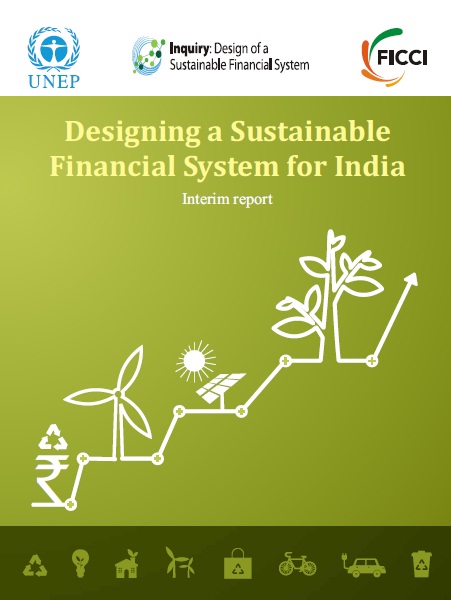
Indian Prime Minister Narendra Modi and others at the highest political level have outlined in recent statements India’s commitment to constructive engagement with the global effort to combat climate change. Taken at face value, these statements indicate that India wants to take a leadership role in addressing climate change. However, in the global discourse on climate change, India often gets singled out for resisting mitigation action and for its reliance on fossil fuels such as coal. In this paper we argue that in addition to the efforts directed toward coping with and adapting to climate impacts (e.g., recent floods in Kashmir and monsoon failure in 2014), India is also “punching above its weight” on mitigation.

India ratified the United Nations Framework Convention on Climate Change (UNFCCC) in November, 1993 and is a Non Annex 1 Party to the Convention. As a Non Annex 1 Party, India is not bound to mandatory commitments under the Convention. This is a central to the notion of “Common but Differentiated Responsibilities and Respective Capabilities” as enshrined in Article 3 of the Convention. [i]

Overall development of any nation is directly linked to its energy use and access: energy poverty is a good indicator of low levels of overall development. The United Nations Development Program’s Human Development Reports have established that energy access and development are interlinked. Energy poverty is defined as a lack of adequate access to “modern energy services.” Modern energy services include the access of households to electricity and clean cooking facilities­—fuels and stoves that do not cause indoor air pollution. The poor in India are spending more than the rich in the developed countries on energy generally and clean energy specifically. Around 306.2 million people in India lack access to electricity (Table 1), perhaps the largest energy access challenge anywhere in the world. At around 705 million, India also has the highest number of people without access to non-solid fuels.[ii]

Table 1: Access to Energy (Electricity and Non Solid Fuels)

ACCESS TO ELECTRICITY (% OF POPULATION) ACCESS TO NON-SOLID FUEL (% OF POPULATION)
COUNTRY Total Rural Urban Total Rural Urban
1990 2000 2010 2010 2010 1990 2000 2010 2010 2010
BRAZIL 92 97 99 94 100 81 89 94 64 > 95
CHINA 94 98 100 98 100 36 47 54 19 70
GERMANY 100 100 100 100 100 > 95 > 95 > 95 > 95 > 95
INDIA 51 62 75 67 93 13 29 42 14 77
JAPAN 100 100 100 100 100 > 95 > 95 > 95 > 95 > 95
U.S.A. 100 100 100 100 100 > 95 > 95 > 95 > 95 > 95

Source: Global Tracking Framework, IEA

Carbon dioxide (CO2) emissions from energy use account for the majority of greenhouse gas emissions. According to the International Energy Agency (IEA), “meeting the emission goals pledged by countries under the United Nations Framework Convention on Climate Change (UNFCCC) would still leave the world 13.7 billion tons of CO2—or 60%—above the level needed to remain on track for just 2ºC warming by 2035.”[iii] There are at least two ways to tackle this problem. The first is to scale up clean energy efforts, whether in the form of fuel switching from coal to gas or installation of renewable energy capacities. The second option is perhaps harder: lowering energy consumption dramatically by altering lifestyles in developed countries.

For India, the viable solution to address the global climate change challenge is clear. Given its low base, India’s demand for energy will increase manifold in the decades ahead (energy consumption will increase by 128 percent by 2035 according to BP[iv]). India will have to scale up efforts on the clean energy front: an enabling global agreement and domestic investment environment are critical for this.

Renewable Energy Framework

Development of renewable energy has been one of the pillars of the Indian Government’s strategy to improve energy access to tackle energy poverty. India’s Integrated Energy Policy, formulated in 2006, lays down a roadmap for harnessing renewable energy sources. [v] The extant policy framework for promoting renewable energy follows from this, with a target of adding 30 gigawatts (GW) by 2017 as per the 12th Five Year Plan. The sector specific developments are:

  1. Solar Energy: The National Solar Mission, being implemented by the Ministry of New and Renewable Energy, increases utilization of solar energy for power generation and direct thermal energy applications. The long-term goal is to generate 20 gigawatts (GW) of grid connected solar power by 2022. The government has recently announced its intentions to increase the target for installed solar capacity to 100 GW.
  2. Wind Energy: Wind energy is the largest source of renewable energy in the country.. According to the meso-scale Wind Atlas (yet to be validated through field measurements), India has a potential of generating around 102 GW of wind power at 80 meters above sea level. Around 22 GW of wind power capacity had been installed by November 2014. Fiscal incentives in the form of a Generation Based Incentives (GBIs) on a per unit generated basis and Accelerated Depreciation (AD) that allow greater tax deductions early on in the project cycle have been reinstated recently. In the latest Union Budget, the Government has specified a 2022 target of 60,000 MW on wind energy capacity.
  3. Biomass: The government has been supporting grid-interactive biomass power and bagasse co- generation in sugar mills in India, with a target of 400 megawatts (MW) between 2012 and 2017. Central financial assistance is provided for this. A 2022 target of 10,000 MW of installed biomass capacity has been announced recently.
  4. Waste to Energy: The Indian government, through the “Swachh Bharat Mission,” under the Ministry of Urban Development, has provided support for up to 20 percent of project costs linked ‘Viability Gap Funding[vi]’ for waste processing technologies.
  5. Small Hydropower: Hydropower units of less than 25 MW are classified as “Small Hydropower” projects by the government. As of December 2014, a total capacity of around 3,946 MW was available from such projects in India. Section 7 of the Electricity Act of 2003 stipulates that “any generating company may establish, operate and maintain a generating station without obtaining a license/permission if it complies with the technical standards relating to connectivity with the grid.”[vii] The government is targeting an installed capacity of 5000 MW by 2022.

At the end of the fiscal year in March 2014, the total cumulative installed capacity for renewable energy in India was around 13 percent of the total electricity share at 31,707 MW. The average per capita electricity consumption in India for the year 2013-14 was 957 kWh[viii]: around seven per cent of the per capita consumption of the United States between 2010 and 2014 (13,246 KWh).[ix]  This is a stark reflection of India’s energy poverty challenge. Despite a very low base of per capita electricity consumption, the scope and ambition of India’s renewable energy initiatives is remarkable.

Assuming a solar energy capacity addition of 100 GW by 2022 as per the government’s plan, India’s per capita renewable energy installed capacity, not accounting for any capacity growth in wind, biomass, and waste to energy, will be around 92.6 watts per person, well over today’s global average of around 80 watts per person.[x] This is a conservative estimate since currently wind power accounts for the largest share of renewable energy, at around 67 percent of total installed capacity, whereas solar accounts for only around 8 percent.

We should also note here that the large hydro (25 MW and above) potential and installed capacity is also significant and is not counted in the renewable energy estimates above. Large hydro potential in the country is around 145,320 MW of which 36,080 MW has been commissioned as of December 2014. [xi] This is more than the entire renewable energy installed capacity in the country. Power from large hydro can also provide base load power to mitigate intermittency challenges of renewable energy.

Per Capita Spend on Renewable Energy

At the Conference of Parties (COP) to the UNFCCC in Paris (COP-21) in 2015, global leaders will decide if an international renewable energy and energy efficiency bond facility will be established.[xii]  Securing financing for mitigation and adaptation efforts is key to any meaningful attempts to address climate change. Promoting renewable energy offers a clear pathway for reducing greenhouse gas emission from the energy sector.

The key constraint to the development of renewable energy has been the historically higher costs associated with it. There are wide divergences in the Levelised Cost of Electricity (LCOE), as defined by the International Renewable Energy Agency (IRENA), depending on location. The cost of generation in non-OECD countries for both wind and solar power tends to be lower than for OECD countries owing to various structural factors such as cheap labor rates that lower project costs. For illustration purposes, the range of LCOE as assessed by IRENA in 2012 has been used.[xiii] In the case of Solar Photovoltaic systems without batteries the estimated LCOE is between 0.25 to 0.65 KWh. For onshore wind energy (projects larger than 5 MW), the costs are between 0.08 and 0.12 KWh.[xiv]

Assuming a weightage of 94 percent wind power and 6 percent solar power generation in India, the costs per KWh of electricity generated through renewable energy is between 0.09 and 0.135 (Table 2). Costs in USA, Germany, China, and Japan have also been estimated and summarized in the Table 2.

Table 2: Cost of Renewable Energy (USD) per KWh, 2012

  INDIA USA GERMANY CHINA JAPAN
Lower End 0.09 0.09 0.11 0.09 0.08
Upper End 0.1356 0.1356 0.185 0.1356 0.224
Weightage in Renewables Mix 94% (W), 6%(S) 94% (W). 6% (S) 75% (W), 25% (S) 94% (W), 6% (S) 60% W, 40% (S)

*Rough estimations (assuming that renewable energy is largely a combination of wind and solar, particularly given the relatively negligible growth in other sources over 2012-2040) following from electricity generation shares specified in the World Energy Outlook 2014, for countries (EU figures used as a proxy for Germany) in 2012

100 GW of installed solar energy capacity by 2022, run at a plant load factor of 13 percent,[xv]will produce around 113,880 GWh or 113,880,000,000 KWh of electricity annually. Under this scenario India would be spending between USD 28.4 billion and USD 74billion on its LCOE for solar power based generation (using solar photovoltaics). The Indian government estimates that the additional overall investments required to facilitate this would be to the tune of USD 100 billion.[xvi] To further put this into perspective, 100 billion USD is around a third of the total budgeted expenditure of India’s Union Government in 2015-16 (INR 17.77 lakh crores). Based on the lower end estimates in Table 2, the LCOE will be over a tenth of the total amount of 100 billion USD that the Green Climate Fund is to make available by 2020.

Given the fiscal challenges, India punches well above its weight in terms of its expenditure on renewable energy (Solar Photovoltaic and Wind Energy). Using verifiable approximations for 2012, the average Indian spent about one and a half times what the average Chinese spent, between 2.2 and 4.3 times what the average Japanese spent, and around 2 times what the average American spent. Indians spent between two thirds and half of what average Germans spent.

Table 3: Per Capita Income Spent on Renewable Energy (in % of Daily Income) in 2012*

INDIA USA GERMANY CHINA JAPAN
Per Capita Renewable Energy Consumed (KWh per day) 0.1080 1.95 4.146 0.3007 0.776
Lower End (% of daily income spent) 0.26 0.12 0.40 0.17 0.06
Upper End (% of daily income spent) 0.44 0.21 0.82 0.29 0.20

*Calculated on the basis of per capita incomes and country populations in 2012 as specified by the World Bank; renewable energy consumption as available in the BP Statistical Review of World Energy 2014 for the category ‘other renewables’ (2012) which is based on gross generation from renewable sources including, wind, geothermal, solar, biomass and waste, and not accounting for cross-border electricity supply and converted on the basis of thermal equivalence assuming 38 per cent conversion efficiency in a modern thermal power station; and the estimates in Table 2

Over the next 7 years until 2022, India has a target of renewable energy capacity of 175 GW and most of this capacity addition is to come from solar and wind energy. [xvii]As India ramps up its solar capacity to 100 GW and wind to 60 GW, which is close to the total wind and solar installed capacity in the EU in 2012,[xviii] the average Indian per capita spending on renewable energy as a percentage of daily income should positively compare with average EU levels.

Energy in the Paris Agreement

The future of global energy and the climate change challenge is contingent on a number of political and economic factors. This last year has been proof that even well-formed trends, such as in the case of the global price of oil, can change drastically. Current estimates suggest that coal, oil, and gas will contribute around 81 percent of primary energy consumption until 2035.[xix]However, these estimates are based on benchmark prices of commodities and current technologies.

Changes in both prices and technologies associated with oil, coal, and gas are essentially unpredictable. However, the cost of renewable energy will certainly continue to decrease consistently in the coming years. The cost competitiveness of renewable energy in the form of onshore wind is already at par with fossil fuel based systems for generating electricity, and the LCOE for solar has halved between 2010 and 2014.[xx]The costs of utility scale solar energy are likely to become competitive with fossil fuels in the future. Indeed this competitiveness narrative of renewable energy remains highly nuanced, and depends on a variety of factors such as existing grid infrastructure and labor costs. For instance, since the penetration of renewable energy in India is high, a substantial grid infrastructure cost will be involved in scaling up electricity generation through renewable energy.

As part of the domestic financing framework, recent measures have helped transition Indian policies from a carbon subsidization regime to a carbon taxation regime.  From October 2014, a de facto carbon tax equivalent of USD 60 per ton of carbon dioxide equivalent in the case of unbranded petrol and around USD 42 per ton in the case of unbranded diesel has been introduced. In addition the clean energy cess[xxi] on coal has been doubled and is now equivalent to a carbon tax of around USD 1 per ton.[xxii]

However the fiscal space to maneuver is limited given that the proportionate per capita spend on renewable energy in India is already much higher than developed and developing countries and does divert resources from necessary social and infrastructure spending.

The main barrier for increasing renewable energy penetration will be a lack of financial and technological flows; India’s achievements in renewable energy have occurred in spite of such flows. For instance, Clean Development Mechanism-linked flows, which could potentially subsidize renewable energy development dried up a few years ago owing to the oversupply of Carbon Emission Reduction certificates which are now trading at near zero levels.[xxiii]Similarly, transfer of cutting edge clean energy technologies has been limited by international trade law and protectionist policies of innovating countries. Capital flows can be unlocked by a new global agreement and robust bilateral cooperation on clean energy could potentially prove to be the most effective medium for government—government technology transfer.

In an important 1991 report on global warming, Anil Agarwal and Sunita Narain made a compelling case that “those who talk about global warming should concentrate on what ought to be done at home.”[xxiv] It seems that the conversation at the UNFCCC has inevitably evolved to reflect this discouraging reality. The centrality of the Intended Nationally Determined Contributions in the draft negotiating text of the Lima Call for Climate Action is indicative of the renewed focus on domestic action.[xxv]

Gauging by the renewable energy thrust alone, India’s response at home has been more than commensurate with its economic weight. It must, at the very least, demand similar levels of per capita renewable energy spending by way of commitments from OECD countries. India is already among the countries leading the clean energy transition and must demand that much of the developed world catch up when the Conference of Parties meets at Paris.


[ii] Common solid fuels used in India include dung cakes and firewood

[vi] Viability Gap Funding is a grant to support infrastructure projects become financially viable

[viii] As per the provisional figures of the Central Electricity Authority: http://164.100.47.132/lssnew/psearch/QResult16.aspx?qref=8212

[x] Population in 2022 = 1.42 billion assuming a 17.64 per cent growth rate as seen in the decade 2001-2011 as per the Census of India

[xii] As per the draft negotiating text for COP 21: http://unfccc.int/resource/docs/2014/cop20/eng/10a01.pdf#page=2

[xiv] Concentrated solar power systems generate solar power by using mirrors or lenses to concentrate a large area of sunlight, or solar thermal energy, onto a small area;

[xvi] Economic Survey of India, 2014-15, Available at: http://indiabudget.nic.in/es2014-15/echapter-vol1.pdf

[xix] BP Energy Outlook

[xxi] A cess is a form of an indirect tax

  • Samir Saran

    Senior Fellow and Vice President, Observer Research Foundation

  • Vivan Sharan

    Consultant, Observer Research Foundation

Standard
Uncategorized

A time to lead

Original link is here 

cyber-l

India must seek to deftly institutionalise an “India Exception” in cyberspace through bilateral deals with governments and institutions that manage the internet.

Today, Den Hague will be at the centre of the cyber world as over 100 delegations assemble for the Global Conference on Cyberspace (GCCS) hosted by the Dutch government. India’s participation at such forums must factor in two important realities of the digital space.

The first challenges the core of how India conducts its diplomacy, a structural bias that seems to repose too much faith in the UN framework. Despite being the principal multilateral institution, the UN represents a legacy arrangement, too slow to govern this dynamic and rapidly evolving medium. It is frequently outflanked by the private sector, bilateral agreements and smart mini-lateral groups pursuing independent agendas. Even in the real world, the UN has been bypassed in Syria, Yemen and Iran, merely agreeing to what formations like the P5+1 decide. On the internet,the  “code” is already the “law”, where every digital transaction and every user sign-up to a digital service is creating a de jure legal framework that is defining internet governance. Users and industry are determining and enforcing laws like never before, and at a speed that neither nation-states nor the UN is designed to cope with.

The second reality, however, underscores the role of the state in managing the digital commons. India’s government must play an active role in formulating the rules for the road, given its social responsibility to ensure equitable access to the one billion “unconnected” citizens for service and governance delivery. But this poses flexibility problems, as governments are incapable of being as nimble as industry or users, and government participation can be both polarising and burdensome. The poser, therefore, is how to retain agency with the government while leveraging the creative capacities outside.

These two factors must be part of any engagement calculus, and responding to them may require India to pursue a policy approach that must have four central features. First, India must seek to deftly institutionalise an “India Exception” in cyberspace through bilateral deals with governments and institutions that manage the internet. One example is how the India-US civil nuclear deal forced an acceptance of India’s exceptional status. Similarly, China’s bilateral climate deal with the US has ensured that the debate on Chinese baseline emissions has changed dramatically. Such bilateral deals are vital to the pursuit of national interest. They create direction and momentum, which other nations and institutions begin to respond to.

One attractive option for India is to work towards a bilateral “digital economy and security partnership” with the US, free from multilateral meddling and the resultant dilution of interests. Such an agreement creates the critical mass for shaping internet governance. It would bring together two large digital economies already bound by commerce. It would also signal a compact between an incumbent power and an emerging power, between developed and developing nations. If managed properly, this gain can then be socialised through smart mini-lateral arrangements with like-minded countries. This brings us to the second feature.

India should take the lead in setting up a group of experts from 15 to 20 countries in the digital sector to shape internet governance, a proverbial “D-20”. Such a forum would translate the key features of India’s bilateral agreements into global norms and bring it cyber heft. The chances of entering into effective agreements in line with core interests are far higher at this forum than with unproductive posturing at the UN, where India would have the same weight as, say, Tuvalu. The trick would be to find the correct size and composition with the correct entry parameters, open enough to allow others in as they become relevant.

Third, India should consolidate its leadership by creating ideation forums to shape the discourse, rather than opposing or reacting to others, such as the NetMundial initiative. This could take the shape of a major annual conference or summit, given critical weight by being chaired by the prime minister, and co-convened by the telecom and external affairs ministers. This would also complement the “Digital India” initiative of this administration. Such a platform must be diverse in order to present a more palatable multicolour debate, as opposed to a state-centric position.

Last, to bring all these Indian stakeholders on the same page, an Indian internet governance council must be established. Combining features of the Niti Aayog (digital economy) and a national security advisory board (cyber security), such a platform would bypass the multilateral versus multi-stakeholder debates by organising diverse Indian positions into a comprehensive whole. The government must learn to synthesise domestic opinion like a Swiss knife — common in purpose but different in deployment — so as to allow voices outside government to represent India equally effectively.

Ultimately, India must accept its own exceptionalism. It must thereafter understand how to establish it. India is in a position to shape cyberspace debates, but for that it will need to be flexible, propositional and present everywhere that internet governance is debated. Its strong and diverse contingent at The Hague is a good beginning.

The writers are at the Observer Research Foundation, Delhi

samirsaran_200


Standard
Uncategorized

A meeting in Paris

April 9, 2015, The Hindu

Original link is here

SamirSaran_2367561f

If India & France move beyond Rafale deal stalemate, they could achieve a lot in areas of nuclear technology, regional cooperation, climate talks.

There is quite an air of anticipation around the Indian Prime Minister’s visit to France. The government’s foreign policy pace has been enviable, and Narendra Modi has demonstrated a remarkable aptitude in gauging the mood and the space to manoeuvre with various partners. He has revitalised old relationships and lent them his energy. He has also achieved some real strategic gains,such as the one in Seychelles. The visit to France is pregnant with possibilities that are rooted in a historic context and which now need to be leveraged on a broader plane.

France has always been a critical partner to India in high technology areas. Its bid to aid India in the diversification of its defence sector began as early as 1953, when the Dassault-Ouragan fighters were supplied to the India Air Force and played a leading role in the 1961 liberation of Goa. Significantly, when India-U.K. defence relations soured in the 1970s, France emerged as the only western power willing to supply India with state-of-the-art weaponry and support its space programme and nuclear development. The importance of France as a key partner was accentuated in 1998 when, following India’s nuclear tests, France actively thwarted United Nations Security Council sanctions and forced a toning down of the final language even as the Russians dithered. During that period, India’s agreement to launch satellites from French Guinea stayed intact despite the sanctions imposed by other European Union countries across a range of technological sectors, especially space. In 1999, during the Kargil war, the French maintained a supply of spares to the IAF, which allowed it to operate without worrying about expending smart weapon reserves.

France was arguably the first western country to de-hyphenate its relations with Pakistan from those with India, deciding that the artificial “balance of power” equation between the two was passé. Today, France is at the forefront of India’s ambitions of modernising its sub-surface fleet. Scorpène class submarines are being built at Mazagaon docks and Dassault’s Rafale has won the Medium Multi-Role Combat Aircraft (MMRCA) tender. India’s only dedicated military satellite, the GSAT-7, was launched from Ariane 5, from Kourou.

Despite all this, it seems as if the tenor of the Indo-French engagement is being determined only by the progress on the Rafale deal. Much like the U.S. and India relationship, which had to find a way past the Civil Nuclear Agreement that hung heavy like the proverbial albatross, the India-France partnership must move beyond the circular meanderings that the negotiations look like to outsiders. One way or another, we must strive for an early conclusion, as this is not just about one set of aircraft but about investment in a host of current and future possibilities presented by India’s growing economic and geo-strategic strength. The Rafale deal must be placed in a broader framework of association. This framework could include three key elements, among others.

Nuclear cooperation

The first is for France to translate into action its previously expressed acceptance of India’s stance of nuclear exceptionalism and for the two countries to enter into full-spectrum collaboration. Such a partnership should be aimed at reducing the incubation time of Indian nuclear technologies and would cover the full nuclear cycle, including reactors, enrichment and reprocessing. This nuclear cooperation would logically extend into the sphere of military nuclear propulsion. The upcoming French Barracuda class SSN, for example, is optimally suited to the Indian Navy’s needs. If India buying the Rafale is the truest sign of India’s commitment to the relationship, then the nuclear submarine may well be the litmus test of French reciprocity.

But, again, it is important not to get fixated only on the big-ticket items but to use the other opportunities that signature government initiatives like “Skilling” and “Make in India” offer alongside these big deals. The French could, for example, help develop the defence sector eco-system in India, especially in the small and medium segments, investing in skills and capacity building here. This is where the real value addition takes place in the defence business and this could be the differentiator between France and other countries.

The second element must be regional cooperation. Increasingly, the interests of the two countries have intersected and their views tend to be similar even if their positions are not. Much of this is because Indian and French foreign policies share the same fundamental view of strategic autonomy and refuse to cede security primacy to one or two actors. It was because of this that India had, in 2013, co-sponsored a UN resolution that paved the way for French intervention in Mali. This is why it needs to cooperate in the Indian Ocean, West Asia and North Africa. India and France have significant interests here and it is perhaps time to build a robust platform for dialogue that will allow the two nations to cooperate meaningfully.

West Asia and North Africa are in the midst of a turbulent period of dramatic change. India’s chief task is to secure its energy source, the safety of its diaspora, and the stability of its extended neighbourhood. France will continue to play a significant role in the region.

As for the Indian Ocean area, France is a major power here and has demonstrated some degree of interest in cooperating with India. A focussed engagement would also be a natural extension of the collaboration envisaged here between the U.S. and India earlier this year. Co-investing with France in a ‘research’ facility located in Mauritius may serve as the point of convergence for such a regional play. This could form the basis for intensified cooperation on maritime domain awareness, building capacity in Indian Ocean Rim countries, and in honing synergistic strategies to deal with humanitarian assistance and disaster relief.

Accord on climate

Finally, France is set to host the most important of climate conventions at the end of this year, one that will determine the successor to the Kyoto Protocol. This makes for an important area where the two countries can cooperate. The climate agreement can impact energy access and energy options for most countries, including India. The French are familiar with the Indian effort to eliminate poverty and the principal role that low-cost energy could play in meeting this goal.

The Paris climate meet will be an optimal moment for India to stop being defensive about the issue. It must unhesitatingly showcase all that it has already undertaken and achieved in responding to the challenge of climate change. It must clearly signal what it seeks from the outcome to protect its development space. And France, with its agenda-setting capacity and consensus-building role, must strive to ensure a climate deal that is fair and equitable and allows India critical room to manoeuvre.

(Samir Saran is vice-president and senior fellow at the Observer Research Foundation.)


Standard
Uncategorized

Samir Saran & Vivan Sharan: Behind the lines of credit

The government should use lines of credit to transition India’s economic engagements towards a more durable, defined framework

by Samir Saran & Vivan Sharan 

March 28, 2015 Last Updated at 21:48 IST, Business Standard
Original link is here

Last year Indian PM announced a $1 billion concessional line of credit (LoC) on his maiden visit to Nepal. More recently he announced a concessional in his March visit to of $500 million for civil infrastructure projects, and a similar line to of $318 million for development of railway infrastructure. Clearly, LoCs are becoming a key arrow in India’s economic diplomacy quiver.

The Indian government subsidises the interest rate on concessional LoCs under its Development Cooperation Programme. Since LoC projects are demand-driven, recipient countries first have to make a request for a LoC to the ministry of external affairs, which considers political and economic aspects before handing over the structural and disbursement process to the ministry of finance and the Export Import Bank, respectively. The sheer size of the LoCs committed to and Mauritius in particular is indicative of the shift in India’s foreign policy priorities towards its neighbours.

The importance given to LoCs comes at a critical juncture in the global development discourse. There is little agreement on a ‘universally applicable’ global development agenda. The heydays of structural macroeconomists arguing for deficit reduction as a precondition to ‘development assistance’ are perhaps behind us. In the aftermath of the global financial crisis, countries are racking up large debts in an attempt to spend their way out of deflation. As world leaders prepare to negotiate Sustainable Development Goals to succeed the Millennium Development Goals, key development questions will be up for debate.

The negotiations will be rough and tough. A number of politically sensitive questions must be addressed if a truly inclusive and sustainable development agenda is to be crafted: What should be the measure of effectiveness of financial flows, such as LoCs? Who or which body should have the mandate to measure this effectiveness? How critical a role will financial markets play in the maximisation of development impact? What should be the criterion for assistance? How can economic incentives between development partners be aligned?

A study by the Observer Research Foundation on India’s concessional LoCs to East Africa has helped shed light on some of these issues. One of India’s largest LoC tranches, of $640 million, has been given to the Ethiopian government for expanding sugar refining operations. According to the Ethiopian Sugar Corporation, production from three assisted plants, which would total close to 1.6 million tonnes of sugar annually, would help Ethiopia become a net sugar exporter. The effectiveness of LoCs, therefore, is closely tied to the shift away from structural import dependence. The Ethiopian exchequer could earn $376 million annually through sugar exports from 2015, but the qualitative impact is perhaps wider. The credit extended will help generate livelihoods both directly and indirectly through infrastructure and supply chain creation; it will generate additional revenues for development objectives and create a new industrial ecosystem. Given that this entire process was demand-led, local stakeholders are perhaps best-equipped to measure the developmental and economic impact of the LoC.

From the Indian perspective, two aspects must be revisited to exponentially increase the impact of such LoCs. First, the role of the local agency is central. Often, countries from where LoC demands originate require handholding and technical support. The commercial sections of Indian missions in countries to which large development flows have been committed require support of experts and technocrats. Since the Indian Foreign Service is smaller than New Zealand’s, it is vital that the government breaks down silos reserved for diplomats, and supplements its missions with professionals possessing the requisite expertise in handling and supporting commercial projects. Prime Minister Modi would know that economic outcomes are not going to wait for the Indian bureaucracy to reform or for officials to reconcile themselves to the fact that horizontal hires need to be paid market wages. Billions of dollars are at stake, important relationships need nurturing and none of this should be jeopardised by a handful of egos.

The second key issue is the involvement of Indian vendors in funded projects. Under the concessional LoC framework, recipient countries have to procure a variable proportion of goods and services (between 65 and 75 per cent) from Indian firms towards project implementation. Anecdotal evidence gathered for the ORF study suggested that the pre-tendering and tendering processes have much scope for improvement. Given this government’s emphasis on expanding the Indian industrial base, there is an opportunity to make the LoC-linked tendering process more competitive and inclusive. Many stakeholders privately confessed that the process is not transparent and is geared to cater to a select few. The government must, therefore, use the new commitments to Nepal and Mauritius as an opportunity to revise the tendering process and to offer a level playing field. The bureaucracy must be kept at arm’s length from market operations in order not to replicate the very system of state patronage that the Indian PM hopes to dismantle.

In 2012, the total amount of open LoCs crossed $10 billion and this instrument is only likely to gain further prominence. Yet India is itself a developing country with urgent development needs of its own, and a limited budget. Thus the Modi administration must extract maximum ‘bang for the buck’ from LoCs, while making sure that the concessional lending programme can stand the strictest tests of public scrutiny. For this, the first step is to institute a stakeholder feedback process that would include the private sector, civil society and perhaps even unbiased voices from recipient countries. Recipient governments rarely critique the Indian government, as it would be considered ‘undiplomatic’. What would distinguish the new administration from its predecessors would be the willingness to actively solicit criticism and refine existing processes for the larger public good and efficacy of its primary instrument for economic diplomacy.

In the early post-independence years, the thrust of India’s external engagements and economic diplomacy (not necessarily described as such) was with countries with similar colonial experiences and economic realities in the neighbourhood and Africa. More recently, its engagements in groupings such as have resulted in new development financing instruments like the recently announced New Development Bank. The country’s involvement in the G20 following the financial crisis compelled India to commit to an IMF-led euro zone-focused stabilisation fund. The new government must now attempt to transition India’s towards a more deliberate, durable and definitional framework. Well-administered LoCs offer a great avenue to do this – and therefore must be given commensurate strategic priority and attention.


The writers are with the Observer Research Foundation, New Delhi
Standard
Uncategorized

Indian court rejects ban on ‘offensive’ Internet messages

KATY DAIGLE, March 24, 2015
unnamed
An Indian man sits on a hospital stairs and looks at his smartphone in New Delhi, India, Tuesday, March 24, 2015. India’s top court reaffirmed people’s right to free speech in cyberspace Tuesday by striking down a provision that had called for imprisoning people who send “offensive” messages by computer or mobile phone. The provision, known as Section 66A of the 2008 Information Technology Act, says sending such messages is a crime punishable by up to three years in prison. (AP Photo/Altaf Qadri)


NEW DELHI (AP) — India’s top court affirmed people’s right to free speech in cyberspace Tuesday by striking down a provision that had called for imprisoning people who send “offensive” messages by computer or cellphone.

The provision, known as Section 66A of the 2008 Information Technology Act, had made sending such messages a crime punishable by up to three years in prison.

In its ruling, the Supreme Court said the provision was “clearly vague” in not clarifying what should be construed as offensive. It also said the provision violates people’s freedom of speech and their right to share information.

“The public’s right to know is directly affected,” the judges said in deeming the provision unconstitutional.

A law student who filed the challenge in 2012, Shreya Singhal, applauded the court’s rejection of a provision she said was “grossly offensive to our rights, our freedom of speech and expression.”

“Today the Supreme Court has upheld that, they have supported our rights,” Singhal said. “I am ecstatic.”

The law has been invoked in at least 10 recent cases, most often involving criticism of political leaders.

In 2012, a chemistry professor and his neighbor in Kolkata were arrested for forwarding a cartoon that made fun of West Bengal’s top elected official, Mamata Banerjee.

Police arrested a man last year for saying on Facebook that Prime Minister Narendra Modi, then still a candidate, would start a holocaust in India if elected to office.

unnamed (1)

An Indian man sits on a hospital stairs and looks at his smartphone in New Delhi, India, Tuesday, March 24, 2015. India’s top court reaffirmed people’s right to free speech in cyberspace Tuesday by striking down a provision that had called for imprisoning people who send “offensive” messages by computer or mobile phone. The provision, known as Section 66A of the 2008 Information Technology Act, says sending such messages is a crime punishable by up to three years in prison. (AP Photo/Altaf Qadri)


And last week, police in the northern state of Uttar Pradesh arrested a teenage student for posting comments on Facebook he attributed to a top state minister.

The student, jailed for two days before being released on bail, told reporters he was happy the provision was scrapped, though he was still recovering from “a very rough time.”

Former finance and home minister P. Chidambaram welcomed the court’s ruling, although his son had filed a police complaint in 2012 against a businessman for allegedly disparaging him in Twitter messages.

“The section was poorly drafted and was vulnerable,” Chidambaram said of the law, which was passed while his Congress party was in power. “It was capable of being misused and, in fact, it was misused.”

Cyber analysts said the ruling marked a positive step in ensuring that the Internet would be governed by the same norms and laws as newspapers, TV commentary and other forms of communication as India’s Internet users increase from today’s 100 million online.

“This sets the tone for the future of India’s democracy and participation in this medium,” said Samir Saran of the New Delhi think tank, Observer Research Foundation. “It’s the ethos around freedom of expression that is being reaffirmed. It tells us that arbitrary executive infringements of the constitution will be struck down.”

He and other analysts said, however, that there was still more work to be done in guaranteeing the Internet was governed fairly, including a provision that allows the government to block websites without announcing or explaining its decision to do so. The Supreme Court on Tuesday upheld that part of the law.

“That’s wrong. That’s bad,” Saran said, calling for a review to decide criteria for “why something should be blocked and when it should be blocked.”

___

Standard
Uncategorized

Securing digital terrain

Analysis, Observer Research Foundation , ORF Cyber Monitor , 17 March 2015

Original link is here

img-sonys_1426574357667

The Sony hack is a textbook example of the fog of cyberwar. The whole incident is a telling manifestation of the many aspects of cybersecurity: There is the allegation of a state-sponsored international incident by North Korea and the promise of a ‘proportional response’ by the United States of America. The Sony hack brings to mind the question of state behavior in cyberspace; the threat to business advancing public-private cooperation in combating such attacks; and the question of motive – an assault on the freedom of expression, as opposed to the more predictable motivations of theft, terrorism and war.

Other countries, including India, have observed the consequences with keen interest. This includes the disruptions in North Korea’s Internet connectivity that followed immediately after the attack was successfully attributed to the authoritarian North Korean state by the US. How does this episode play out against all the narratives built to understand and respond to cyber security threats?

At the outset, there are larger questions to consider.

The first is the fundamental understanding that access to the Internet is an essential feature of security; that without connectivity, the citizen is not plugged into the system, as he cannot engage digitally with either his fellow citizenry or the state. After all, security cannot be for security’s sake. It must be based on the premise that security infrastructure is to protect its people, its nation-state, its economic interests within its territory and globally. To this end, India’s ambitious ‘Digital India’ project, which has committed an investment of $21 billion with the stated ambition to secure lastmile connectivity and effective e-governance for every citizen, is only a partial response to the enormous challenges facing the Indian subcontinent in its digital endeavors.

The second question relates to the fundamental tension between development and security. This holds especially true for developing countries like India. They are witnessing rapid internet proliferation, a phenomenon that goes hand-in-hand with cheap devices with questionable security standards and a digitally naïve population susceptible to hackers, thieves and phishers alike. They will be susceptible to sophisticated attacks as well, as they build up their capacity. The inevitably linked trilemma of security, privacy and surveillance, in the face of complex challenges has raised many-layered problems in need of examination. Finding a balance between surveillance and privacy in order to secure citizens without infringing their rights is the order of the day. But countries are struggling to achieve this equilibrium.

Most recently, the UK – to the horror of privacy activists everywhere – has come out in favor of banning encryption to intercept communications so as to ensure security more effectively. There is also the need for accountability of state intelligence agencies. They can quite easily infringe on citizens’ personal communications in their zeal to catch the bad guys. Therefore a strong mechanism needs to be put in place to ensure they are encouraged to act responsibly.

There is also a need for governments, private sector companies and civil society, including those fighting for individuals’ rights, to cooperate in creating robust cyber security frameworks. Key questions on the quality of interconnectivity and appropriate mechanisms for securing critical infrastructure have to be addressed. What are the costs of cyber security and how will they be shared? Who will define and how will we all agree to what is the optimal level of security in cyberspace? What is the role of the private sector in this regard? Governments cannot begin to understand the range, frequency and severity of the attacks on their countries unless critical infrastructure operators and private enterprises share this information with them. In many countries confidence building measures are necessary to develop this relationship.

Thirdly, given that attacks do not only originate from criminals and terrorists, an understanding – ‘norms’ – of state behavior in cyberspace need to be fleshed out. This could be done by way of universal multilateral agreements (desirable but unlikely) or by consensus between like-minded states who wish to set rules of engagement (less inclusive but more efficient). Countries also need to examine what can best be described as ‘unintended consequences’ of state behaviour. For example, the Stuxnet virus, which exploited a weakness in the Microsoft operating system, affected 18 percent of computers in Indonesia and 8 percent in India, causing these countries great financial loss as they had to upgrade their systems to counter the virus.

At the same time, no conversation about cyber security can be complete without addressing online terror. Online terror networks, aided by the multiplicity of communication networks over the Internet, have become a common cause of concern for individuals and states alike. This growing threat cannot be countered unless solutions that enable real-time information sharing between countries are developed. These questions – and more – were at the core of the debates at CyFy 2014 – the India conference on Internet Governance and Cyber Security hosted by the Observer Research Foundation. India’s Deputy National Security Advisor emphasized the importance of international norm-building and central role of the UN Group of Governmental Experts. He stated that “the Indian position on these issues will continue to evolve?”, adding that this group of experts “is a useful forum, but it should be made more representative.” India’s Minister of Communications and Information Technology echoed a similar thought at CyFy – “?this unhindered growth of networks of infected computers across the world – how do we propose to address this problem in the absence of global cyberspace norms to regulate and guide responsible behaviour in cyberspace?”

Which brings us back to the incident involving Sony, North Korea and the United States. It shines the torch on cyber security, state behavior, damages, responses and attacks on freedom of expression. Do we have a blueprint or a road map to respond to such developments? Maybe not – and therefore 2015 will be a vital year for finding common ground to keep the digital world secure.

(The author is Vice President and Senior Fellow at Observer Research Foundation, Delhi. This article originally appeared in The Security Times, a special edition of the Atlantic Times for the Munich Security Conference, February 2015.)

Standard
Uncategorized

“THE BABU IS BACK:” SAMEER SARAN’S LECTURE ON MODI’S FOREIGN POLICY

Munk School of Global Affairs, University of Toronto, November 4, 2014

Original link is here 

MODI_flickt

Nehruvian strong handed centralization coupled with bureaucratic despotism will be the future of India under the newly elected Indian Prime Minister, Narendra Modi. Despite being, what many would say, the antithesis of a secular Jawaharlal Nehru, Modi has demonstrated several tendencies of Nehru-like micromanagement during his first hundred days in office. These thoughts were expressed by Sameer Saran, Vice President and Senior Research fellow at the Observer Research Foundation, while delivering an emphatic talk on ‘Narendra Modi and his Foreign Policy Objectives’, hosted by the Centre of South Asian Studies at the Munk School of Global Affairs onOctober 2, 2014.

Restoration of a strong executive space and empowering of the bureaucracy, characteristic of Nehru’s India, will mark the return of the Babu – a metaphor for technocrats that historically constituted India’s bureaucratic steel framework. Saran holds the belief that Modi’s superstar persona (as seen in his recent drawing of several thousand members of the Indian Diaspora at the Madison Square Gardens), will suffice to press the ‘reset button’ on the prevailing negative investor confidence surrounding India. This can be largely accredited to Modi’s approach towards ensuring neo-liberal economic space, creating market access and ensuring a creation of jobs – a far cry from the garland of communal Hindu nationalism he adorned during his time as the Chief Minister of the Indian State of Gujarat.

A larger section of Mr. Saran’s lecture centred around India’s Foreign Policy aspirations given its role as an emerging regional and global power. Modi’s drift towards realpolitikin internal governance is also manifested in his external relations strategy. The policy of ‘India First’ – implying a clean up the internal mess first – however has not curtailed India’s global ambitions. A recent visit by the Chinese premier opened several new avenues of cooperation. Moreover, India has begun to see its neighbourhood in an extended sense. Enhancing investment in the ASEAN region; conceding to Bangladesh in an old water dispute; recent visits to Nepal and Bhutan; and newfound enthusiasm in interacting with Japan and Australia, are all parts of Modi’s efforts to have India assert itself regionally. India, under Modi, has also demonstrated flexibility in dealing with the BRICS, by understanding the value of accepting Shanghai as the economic headquarters. Modi’s Pakistan policy however remained ill-defined, with a seemingly unchanged plan to maintain the status quo. Some of the greatest anti-Pakistan vitriol emanates from his own party, and if Modi is to challenge the bilateral stalemate with Pakistan, a shift in opinion within his own ranks is necessitated.

Mr. Saran’s lecture portrayed Narendra Modi as the provider of much needed salvation for India. While Modi’s dynamism and pro-business and anti-corruption attitude may provide India some impetus after nearly half a decade of stagnation, transforming a country of 1.3 billion people may not be a task as easy as making populist electoral promises. With just over a hundred days in office, whether Narendra Modi can make a Nehru out of himself is yet to be seen.

-written by  S. Taha H. Shah, a third year student in the Contemporary Asian Studies Program

This article is part of  a series of articles written by undergraduate students affiliated with the Asian Institute about events hosted by the Asian Institute.  

Standard
Uncategorized

An ‘India exception’ for climate talks

By Samir Saran and Bruce Jones, The Hindu, January 23, 2015

Original link is here 

SOLAR POWER: “Narendra Modi’s victory has created the opportunity for India to benefit from the renewable energy-friendly policies he pursued as Chief Minister of Gujarat.” Picture shows him during the inauguration of India’s first 1MW canal-top solar power plant at Chandrasan village, Mehsana district, Gujarat.

SOLAR POWER: “Narendra Modi’s victory has created the opportunity for India to benefit from the renewable energy-friendly policies he pursued as Chief Minister of Gujarat.” Picture shows him during the inauguration of India’s first 1MW canal-top solar power plant at Chandrasan village, Mehsana district, Gujarat.


If the U.S. partners with India for more efficient industrialisation, it could be the kind of investment that cements ties between the two countries

As India and the U.S. build closer ties, they should pursue a win-win agreement on climate. It is in the U.S.’s strategic interest that India grows into a regional power, which can only be accomplished if India is given sufficient development space to grow its economy and eliminate poverty. It is in India’s interest to diversify its energy portfolio — a prospect that can be strengthened with the U.S.’s assistance. The way to achieve these objectives is to forge an “India exception” at the global climate talks in Paris; doing so is the only realistic pathway to a global climate deal and will cement the growing ties between the two critical actors in an evolving international order.

A unique dilemma

India faces a predicament which previous countries that used energy to grow their economies did not face. It stands on the cusp of industrialisation just as the world may finally be willing to take multilateral action to reduce carbon emissions. As it possesses vulnerable coastlines and is reliant on the monsoon and glacial melt, India is as susceptible as any other country to the consequences of collective action failure on climate. But for India, the tradeoffs between environment and growth (and poverty elimination) are harsher than perhaps anywhere else. India’s overall size of both population and emissions makes it the most critical low-income country at the Paris climate talks.

Despite India’s importance to the climate debate, it continues to pollute below its weight. Though India’s emission intensity would be expected to rise in the coming decades, it has committed to reducing emission intensity by 20 to 25 per cent by 2020 (from 2007 levels). Prime Minister Narendra Modi’s victory has created the opportunity for all of India to benefit from the renewable energy-friendly policies he pursued as Chief Minister of Gujarat and has opened up the possibility for it to become a leader in cost-competitive renewables. India is already the world’s largest biomass, third largest solar and fourth largest wind energy producer.

“If India chooses to grow through the traditional carbon-intensive pathway, there will be no credible prospect for global carbon reduction”

There is a strong strategic imperative for the U.S. in supporting India’s role in Asia. A successful India can play a major role in stabilising Asia during an otherwise turbulent transition, and can be a vital partner to the U.S. India could act on climate change on its own by reprioritising spending away from its planned naval expansion or other defence expenditures, but as China’s defence budget soars, nations around the region are becoming more invested in a balance of power that includes India. It is profoundly in the U.S.’s interest that there be a strong India — an India that is prosperous and contributing to a stable Asia and Indian Ocean.

The U.S. could reapportion part of its international development budget towards India’s green modernisation, create a way for U.S. cities that have successfully used clean building techniques to work with Indian cities, and invest in Indian efforts on energy-efficient urbanisation. It can help ensure that the Green Climate Fund and the World Bank support and crowd in private sector and other investments towards this end.

There would have to be a generational partnership between the U.S. and India. Challenges in aligning the private incentives of U.S. financiers with public incentives in India can be solved by a high-level agreement between President Obama and Prime Minister Modi on public monies through bilateral or multilateral tools.

India as an exception

India’s unique circumstances necessitate specific exceptions. Any climate agreement must exclude India from obligations that do not befit a country in an earlier stage of development. It must be allowed lifeline energy at affordable prices. India cannot agree to a peaking date; Indian poverty cannot be frozen by a dateline. A global peaking date will depend on other nations taking on mitigation commitments to account for India’s exceptional challenge. However, certain pathways could be pursued that would allow a U.S.-India partnership to contribute to the global effort. These could include: continuing and supporting India’s voluntary emission intensity reduction goals that move its economy from a ‘business as usual’ trajectory; focussing the spending of the Green Carbon Fund and similar instruments, including technology transfer, on Indian energy options; following common but differentiated responsibility within India, requiring rich states and cities to develop further mitigation methods; initiating a universal agreement on corporate emissions mitigation that would involve large Indian companies on equal footing with developed country corporations and mandating sectoral efficiency goals for these large corporations; and a decadal review of India’s development status, as no exception should outlive its rationale.

Such a deal is the only way to maintain climate progress. If India chooses to grow through the traditional carbon-intensive pathway, there will be no credible prospect for global carbon reduction and India will soon add another European Union to the world’s carbon emissions budget. India has a veto on a global climate agreement — both in the room, and more importantly in how any deal is implemented. India has walked away from global deals like the World Trade Organization, when they are perceived to be counter to its core interests.

If the U.S. partners with India for more efficient industrialisation and supports an “India exception” in global climate talks — using bilateral ties and the Major Economies Forum on Energy and Climate to help build a clean energy ladder for India — it could be the kind of investment that cements ties between these two countries. From the perspective of a stable international order, it would be a big deal; from the perspective of global climate talks, it is the only realistic path forward.

(Samir Saran is a senior fellow and vice president at the Observer Research Foundation and Bruce Jones is deputy director of the Foreign Policy Program at the Brookings Institution. This is an adaptation of an article published by the authors for Brookings and ORF earlier this month.)

Standard