Books / Papers, In the News, Politics / Globalisation

Corporate Governance and Business Responsibility

An Empirical Assessment of Large Indian Companies

GIZ Study booklet

It is widely accepted today that the onus for business responsibility must lie with senior management and Board members of corporations. The contours of what constitutes ‘responsibility’ though are still under discussion and description. However, there is a broad consensus that this must imply integration of environmental, social and economic priorities within the business model and governance processes of companies.

The Board of Directors of any firm have a significant role to play in terms of providing strategic vision as well as performing critical oversight of business operations. Therefore any efforts at embedding sustainability within business operations, whether through mandatory or prescriptive frameworks, must originate at the level of the Board.

Additionally, the entire market ecosystem within which firms operate is also relevant to the business responsibility discourse. For instance, the performance metrics of production supply chains are often overlooked by companies. Even within large companies, oversight of supply chains, are limited to negotiations on price points and timelines. This must see radical transformation. Similarly, long term risk assessment frameworks around environment, social responsibility and good governance practices must become a part of decision making processes at the highest levels.

Lack of awareness at the level of the Board is not the only impediment to holistic integration of sustainability priorities in the case of large Indian companies. For enhanced community engagement to become a pillar of business operations, systemic policy hurdles need to be addressed (for example: inefficient licensing regimes in critical sectors).

In India, like in most other places, corporate governance and business responsibility tend to be viewed as being mutually distinct. However, this study shows that there is visible correlation between adherence to corporate governance regulations and business responsibility norms – which is precisely the paradigm of ‘responsible corporate governance’ that is referred to in this research report.

This study establishes that large companies that already have the basic mandatory processes and governance structures in place are more likely to also be the ones that tend to adhere to voluntary norms. Therefore, further analysis and research is required to study behavioural drivers at the level of the Board as well as the impacts of regulatory processes across and within sectors. On the external front, sustained effort is required by stakeholders to bridge institutional capacity gaps, in order to streamline and harmonise regulatory processes and policies with ‘intra-company’ mechanisms.

So clearly, two sets of core issues need to be addressed. The first, dealing with internal corporate processes; and the second related to the interaction of these with the regulatory environment and societal expectations. This study is the first step in analysing some of the above and beginning an engagement with multiple stakeholders to discover next steps and pragmatic pathways that would allow accelerated adoption of best in class responsible corporate governance practices by all and certainly by the large corporations that have a compelling impact on society, environment and development.

I would like to thank the Indian Institute for Corporate Affairs (IICA) and the Deutsche Gesellschaft für Internationale Zusammenarbeit (GIZ) GmbH, for their continued support and guidance in the conceptualisation, and writing of this report. And, I would like to congratulate Vivan Sharan and Andrea Deisenrieder for their stellar work and very interesting research on one of the most debated themes of these times.

Samir Saran

Chairman and CEO, gTrade

Standard
Books / Papers, BRICS

A LONG-TERM VISION FOR BRICS

Original link is here 

The objective of this document is to formulate a long-term vision for BRICS. This in turn flows from substantive questions such as what BRICS will look like in a decade and what the key priorities and  achievements will be. It is true  that  BRICS is a nascent, informal grouping   and   its   agenda   is  evolving   and   flexible.   Therein  lays  the uniqueness of BRICS. The BRICS leaders have reiterated that  BRICS will work  in  a gradual,  practical and  incremental manner. Nonetheless, the grouping  needs  a long-term vision  to  achieve  its  true  potential for two reasons: (1) to dove-tail  the tactical and individual activities into  a larger framework and direction; and (2) to help in monitoring the progress of the various sectoral initiatives in a quantifiable manner.

The  Track  II BRICS dialogue,  under  the  chairmanship of India  in 2012, has been robust. On March  4th  – 6th,  2012,  academics and experts  from the five BRICS nations—Brazil, Russia,  India,  China and South  Africa— assembled  in  New  Delhi   for  the   4th   BRICS  Academic   Forum. The overarching theme was “Stability, Security  and  Growth.” This  theme is useful for understanding the motivation and ethos of BRICS as a platform for dialogue and cooperation on issues of collective interest.

The  dialogue  led to the drafting of a comprehensive set of recommendations for BRICS leaders  (Annexure 1). The  17  paragraphs that  capture the  recommendations to  the  BRICS leaders  were  reached through a consensual process between  60 academics and experts from the five countries. Forum  delegates  contributed a number of research and policy papers  that  formed  the basis for the enriching discussions. Each of these  papers  highlighted key  areas  for  cooperation, within the  overall construct of the BRICS agenda.  This  research led to a significant build-up of knowledge on BRICS. This  long-term vision document is an attempt to aggregate the dialogue and research that  has fed the Track II process so far and to build upon it.

Broadly speaking, the document is divided into four sections. The first, on ‘Common Domestic Challenges’, aims to pinpoint multiple areas in which sharing experiences and best practices within the BRICS Forum  will help to respond to common problems. For example, BRICS nations have vastly differing levels of educational attainment and healthcare policies. As large developing   countries with  significant  governance challenges,  but  also ‘demographic dividends’ and  other  drivers  of growth  to reap,  BRICS can greatly benefit from innovative ideas emanating from similarly positioned nations.

The  second  the  matic section focuses  on  ‘Growing  Economies, Sharing Prosperity’. Given  the  huge distance that  the  BRICS nations have yet to cover   in   tackling  poverty   and   providing   livelihoods  to   their   rising populations, there  is no option other  than maintaining and  accelerating economic growth.  This  section outlines the necessity of deepening intra- BRICS  and  worldwide   trade   and  economic synergies.   Additionally,  it documents growing energy needs and discusses how the economic growth imperative affects the BRICS discourse on climate change.

The third section, titled ‘Geopolitics, Security and Reform of International Institutions’, outlines an enhanced role for BRICS within an increasingly polycentric world  order.  Within the  United  Nations  (particularly the Security  Council), enhanced BRICS representation can institutionalise a greater  respect  for  state   sovereignty and  non-intervention. In  Bretton Woods Institutions, like the IMF and World Bank, BRICS seeks to reform voting  shares   to  reflect  the  evolved  global  system, different  from  that forged in the immediate aftermath of World War II. Finally,  as leaders  in the   developing   world,   BRICS  nations  seek  to  create   a  development discourse that better represent their aspirations.

The  fourth thematic section, on the  ‘Other Possible  Options for Cooperation’, outlines possible  developments to further collective engagement once the necessary prerequisites are achieved. At the present juncture, it  may  be  too  early  to  think of  BRICS  becoming a  formal, institutionalised alliance. However,  it  is important for the  grouping  to envision a commonality of purpose, continuity of operation and dialogue beyond annual summit meetings.

There are five prominent agendas  of cooperation and  collaboration that emerge from this  vision document. These themes are integral to the very idea of long-term engagement between  the  BRICS nations and provide  a framework for accelerating momentum and  increasing significance over the long term:

1.         Reform of Global Political  and Economic Governance Institutions: This  is the centrepiece of the BRICS agenda,  which  in many  ways resulted in the  genesis  of the  grouping. With  the  move  towards a polycentric world order,  BRICS nations must assume a leadership role in the global political  and economic governance paradigm and seek greater equity for the developing world. Over the coming years, they  must continue to  exert  pressure for  instituting  significant reforms within institutions—such as the United Nations Security Council (UNSC),  the World Bank, and the International Monetary Fund  (IMF). Various  suggestions outlined in this  report  provide  a constructive framework for enabling substantive reforms.

2.         Multilateral Leverage: There are multiple formats for engagement and cooperation in order to leverage the BRICS identity at the global high  table.  The  outcome of the  BRICS officials  meeting on  the sidelines of the  November 2012  G20  in  Mexico,  where  it  was decided  to  create  and  pool  a currency reserve  of up  to  USD  240 billion   is  one   instance  of  enhanced  intra-BRICS cooperation. Similarly, the  Conference of Parties, the  United Nations, and  the World  Trade   Organisation are  existing   cooperative frameworks,

within which BRICS countries can collectively position themselves by fostering  intra-BRICS consensus on issues  of significance. The United Nations is central to a multilateral framework, and there  is significant potential for BRICS to collaborate and  assume a more prominent  role   in   global   political   and   economic  governance, conflict  resolution etc.,  through institutions such  as the  Security Council.

3.         Furthering Market Integration: Global  economic growth  has  been seriously  compromised in the years following the Global Financial Crisis. Each percentage point  reduction in global growth  leads to a significant  slowdown  of  economic development within  BRICS which hinges  upon  a necessary component of economic growth.  In this   regard,   market  integration within  BRICS,  whether in  the context of trade, foreign investments or capital markets, is a crucial step  to  ensure that  the  five countries become  less  dependent on cyclical trends in the global economy.

4.         Intra-BRICS  Development   Platform:  Each   BRICS  nation  has followed a unique development trajectory. In the post-Washington Consensus era, developing  economies within BRICS must set the new development agenda, which in turn must incorporate elements of inclusive growth,  sustainable and  equitable development, and perhaps most   importantly,  uplifting those  at  the  bottom of the pyramid. The  institution of BRICS-specific  benchmarks and standards, as  well  as  more  calibrated collaboration on  issues  of common concern including the rapid pace of urbanisation and the healthcare needs of almost half the world’s population represented by BRICS, must be prioritised.

5.   Sharing of Indigenous and Development Knowledge and Innovation Experiences  across   Key  Sectors:   Along   with   the   tremendous potential for resource and technology sharing and mutual research and development efforts, coordination across  key sectors—such as information technology, energy generation, and high-end manufacturing—would prove immensely beneficial for accelerating the BRICS development agenda. Moreover, the BRICS nations must share  indigenous practices and experiences to learn and respond to the immense socio-economic challenges from within and outside. This  vision document contains multiple suggestions for instituting such  sharing mechanisms through various  platforms and cooperation channels.

This   document  analyses  the   above   themes  in   detail.   Each   section concludes with  recommendations specific  to  the  chapter’s theme. The final  section contains synthesised suggestions which  serve as an outline/framework for enhancing intra-BRICS cooperation and collaboration. The  official declarations/statements of BRICS leaders  are available in Annexure (s) 2 to 5.

Standard
Books / Papers, Politics / Globalisation

CIVIL 20 RECOMMENDATIONS ON STRONG, SUSTAINABLE, BALANCED AND INCLUSIVE GROWTH

Original link is here..


India


By Samir Saran, Senior Fellow and Vice President, Observer Research Foundation (ORF);

Vivan Sharan, Associate Fellow, Observer Research Foundation (ORF)


India is a study in contrasts. In the post liberalisation era, since 1991, the country has witnessed a rapid GDP growth, secular expansion of its services sector, and a commensurate increase in per capita consumption. As a result, in 2012, the country overtook Japan’s GDP (in purchasing power parity terms), to become the third largest economy in the world. However, at the same time, a recent survey across 100 districts in the country revealed that 42 per cent of India’s children under the age of 5 are underweight and a shocking 59 per cent are stunted in their physical development98. Extrapolating these results to reflect the overall state of socio-economic development, the picture at once becomes stark. This paper will delve into some macro trends

through which it aims to unbundle facets of the country’s distorted growth narrative.


In March 2012, the Planning Commission of the Government of India set the poverty line at INR

28.65 (approximately USD 0.52) for urban areas and INR 22.42 (approximately USD 0.4) for rural areas in terms of per capita expenditure. Using rounded approximations of INR 28 and INR

22 (USD 0.5 and USD 0.4) for urban and rural areas respectively, National Sample Survey data from household surveys conducted in 2009-10 reveal that 22.98 per cent of India’s urban population and 36.58 per cent of its rural population spend less than the approximated poverty line (Table 1). Meanwhile, India’s ‘emerging’ identity, which derives from its significant middle class, is also exposed for what it is. Only about 4 per cent of India’s population earns more than INR 100 a day (approximately USD 1.8 a day in nominal terms). The rural urban divide is also particularly prominent and can be observed throughout this paper.


Table 1. Per Capita Expenditure and Population, 2009-10


All India

Urban

Rural

Expenditure

% of Population

% of Population

% of Population

< Rs. 28 per day

48.92

22.98

36.58

Between   Rs. 28 to 100 per day

47.09

65.54

62.21

More than Rs. 100 per day

3.99

11.49

1.21

Total

100

100

100

Source: NSS, 2009-10 @ ORF India Data Labs


The world is still grappling with the ripples caused by the Global Financial Crisis. While the crisis found its origins in the West, it perhaps has greater absolute implications for the emerging and developing world. India has witnessed a slowdown in growth to around 5 per cent in 2012-

13. The fundamental assumption about GDP growth, echoed by Indian policymakers has been that faster GDP growth is a prerequisite to reducing poverty and concomitantly, enhancing development99. Such views are reflections of a wider international consensus that “there is every reason to believe that economic growth reduces poverty”100. In this case, the converse argument also holds, and every percentage point slowdown in India’s GDP growth impacts the sustenance prospects of millions of rural and urban poor.


There is of course a large volume of academic literature which questions such simplistic correlations. For instance the India Chronic Poverty Report (2011), states that “the issue arising


98 The HUNGaMa Survey Report, Naandi Foundation, 2011

99 http://www.thehindubusinessline.com/industry-and-economy/economy/india-needs-high-gdp-growth-to-reduce- poverty-at-faster-pace/article4153965.ece

100 Roemer, Michael and Gugerty, Mary K., “Does Economic Growth Reduce Poverty?”, Harvard Institute for

International Development, March 1997

74


in some developing economies with large populations is not that there is poverty in spite of moderate to high economic growth, but that this poverty is often created by the very nature of economic growth itself’’101. While this view is open to debate, it is sufficiently clear that there has been a consistent rise in inequity between the rich and the poor in India. This is evidenced from the fact that those at the bottom 10 per cent of per capita wealth account for merely 3.6 per cent of total consumption, while the top 10 per cent account for 31.1 per cent102. Additionally, Pal and Ghosh (2007) have observed that “comparable estimates of the 50th (1993-1994) and

55th (1999-2000) rounds of National Sample Survey data reveal that inequality increased both in

rural and urban India”103.


Perhaps the starting point for any meaningful analysis or explanation of India’s unequal society must be an overview of aggregated expenditure profiles for different social groups. From table 2, it is evident that the traditionally disadvantaged groups (scheduled tribes, scheduled castes, and other backward classes), on average fare worse than those that fall  within the category of “others” in terms of per capita expenditure. On an all India level, less than 2 per cent of the disadvantaged groups spend more than the nominal equivalent of USD 2 a day. A majority (at an all India level) are below the approximated urban poverty line expenditure assumed here. It is

safe therefore, to infer strong causality between income classes and social groups104.


Table 2. Per Capita Expenditure and Social Group, 2009-10


Social Groups


< Rs.   28 per day

Between      Rs.

28 to 100 per day


Greater     than

Rs. 100 per day


Total

Scheduled Tribes

67.35

31.32

1.33

100

Scheduled Castes

61.1

37.69

1.22

100

Other Backward   Classes

50.86

46.65

2.5

100

Others

32.06

59.07

8.87

100

Total

48.91

47.1

3.99

100

Source: NSS, 2009-10 @ ORF India Data Labs


When the multidimensional nature of poverty is taken into account, it is not surprising that self fulfilling spirals can trap millions within a variety of systemic constraints. Table 3 helps to illustrate that while nearly all of those spending more than INR 100 per (approximately USD

1.8) day have access to electricity for domestic consumption, over 35 per cent of those who spend less than INR 28 (USD 0.5) in rural areas, still have no access to electricity.


Table 3. % Population with Electricity for Domestic Use and per Capita Expenditure, 2008-09


Expenditure

All India

Urban

Rural

< Rs. 28 per day

64.61

90.25

86.66

between Rs. 28 to 100 per day

92.32

98.66

97.83

greater than Rs.   100 per day

99.05

99.98

99.98

Total

73.21

96.14

96.14

Source: NSS, 2008-09 @ ORF India Data Labs


101 India Chronic Poverty Report, Indian Institute of Public Administration, 2011

102 Mehta et. al., “India Chronic Poverty Report”, Indian Institute of Public Administration, 20011

103 Pal, Parthapratim and Ghosh, Jayati, “Inequality in India: A Survey of Recent Trends”, Department of Economic and Social Affairs (DESA) Working Papers, United Nation, 2007

104 Expenditure can be used as a substitute for income, using the established economic relationship that savings =

income – expenditure; and assuming negligible savings at the bottom of the pyramid.

75


Peeling through the multiple dimensions of social inequity and concomitant to the above described ‘sociology of the poor’ are issues around access to services and resources. Saran and Sharan (2012) point out that between 30 to 40 per cent of those belonging  to the various disadvantaged  groups still use kerosene for lighting in rural areas105. This is a particularly illustrative statistic on two counts. Firstly, typical kerosene lamps deliver between 1 to 6 lumens

per square metre of useful light compared with typical Western standards of 300 lux for basic tasks such as reading. There is no convergence of living standards for those at the bottom of the pyramid. The second is that those with least access are disadvantaged on multiple fronts.


Access to modern forms of energy is necessary for development. Access to resources such as water is necessary for basics sustenance which underpins development. Wide divergences in the access to drinking water across different income profiles are indicative of a serious structural deficit. This deficit has no doubt helped to perpetuate inter-generational infirmities. Table 3 shows that those with per capita expenditures greater than INR 100 (USD 1.8) a day are around two and a half times as likely to have access to drinking water within their premises as those in the bottom quartile assumed here (expenditure less than INR 28 (approximately USD 0.5) per day). Those at the bottom are much more likely to walk significant distances to access water than those at the top. There are multiple implications of such divergences in access, including on household productivity.


Table  4.  % Population  and  Distance  from  Drinking  Water  Sources  Mapped  to  per  Capita

Expenditure, 2008-09


Expenditure

Within

Dwelling


Outside Dwelling but   within the Premises

Outside Premises


Total

0.2 to

0.5 km

0.5 to

1.0 km

<  Rs.    28    per

day


15.74


22.68


50.47


9.18


1.43

Between      Rs.

28 to 100 per   day


36.24


32.12


26.31


3.86


0.9

More than   Rs.

100 per day


76.57


18.91


3.34


0.69


0.26

Source: NSS, 2008-09 @ ORF India Data Labs


Household productivity is also closely linked to the levels of education attainment. Within a rights-based framework for development, the role of education is increasingly emphasised. Tilak (2005),  notes  that  “poverty  is  seen  as  deprivation  of  opportunities  that  enhance  human capabilities  to  lead  a tolerable life” and  importantly that  “education  is  one such important opportunity, deprivation of which in itself represents poverty”106. While it is up for debate

whether primary, middle and secondary education actually offers productivity gains that are commensurate with the contextual imperatives for human capital formation given the scale and nature of poverty; and whether higher education or vocational education should be prioritised; the statistics in table 5 illustrate that there is a clear causality between income and education levels. Indeed, many studies have argued that this causality runs both ways.


105 Saran, Samir, and Sharan, Vivan, “Identity and Energy Access in India: Setting Contexts for Rio+20”, Energy

Security Insight, TERI, Volume 7 (1), January 2012

106 Tilak, Jandhyala B.G., “Post-Elementary Education, Poverty and Development in India”, Working Paper Series

No. 6, Centre of African Studies, University of Edinburgh

76


Table 5. Education Levels Mapped to % Population sorted by Per Capita Expenditure, 2009 – 10


Education Levels

All India

Expenditure

<   Rs.     28 per   day

between   Rs.     28     to

100 per day

more than Rs. 100 per   day


Total

illiterate

42.93

25.65

9.25

33.45

upto primary

34.89

29.43

15.22

31.54

middle

12.46

15.87

10.48

13.99

secondary

5.96

12.7

14.26

9.47

higher secondary

2.7

8.6

15.53

5.99

diploma & certificate course

0.1

0.91

2.95

0.6

graduate & above

0.96

6.83

32.32

4.98

Total

100

100

100

100

Source: NSS, 2009-10 @ ORF India Data Labs


India is rated as having a moderate inequality relative to several other developing countries, with a Gini coefficient of 36.8 in 2004-05107. While the coefficient has likely worsened since then, India is leagues ahead of several other G20 countries, including the United States and China. However, the Gini coefficient cannot capture the nuanced trends of inequity, and the causal relationships that perpetuate it.


Development is a long term, complex process. It is clear from the socio-economic realities which have been outlined in this paper, that India’s development trajectory is steep, and the challenges, stark. Concomitantly, the public policies which have also been highlighted here, have been formulated by policymakers to bridge inequities between various socio-economic identities and promote inclusive  growth.  They aim  to  provide better  access  to  services,  employment  and information; and are certainly enablers of transformation when implemented right. Even so, they are necessary but not sufficient. A number of systemic initiatives are required to create the momentum and maintain the development gains required for a broad based transition to higher levels of prosperity and equity, particularly for those at the bottom of the pyramid. In this context, we suggest there are two fundamental questions that Indian policymakers must pose to themselves, to tailor effective and efficient interventions that can ensure that development in fact leads to growth:


1.   What is the threshold level of inequality for political and social stability?

2.   How can policy interventions resolve the strategic, but not necessarily binary choice between generating employment and increasing productivity?


Two decades have passed since India embarked on a new growth trajectory underpinned by a neoclassical economic framework. Liberalisation led reform has delivered unequally. With over

1.2 billion people and  an extremely heterogeneous socio-economic profile, any attempts to recalibrate policy prescriptions must be fully cognizant of diverse realities and trends that have become firmly embedded. Whether GDP growth has exacerbated inequities, or served as the template for improving living standards is not the most urgent question in the contemporary context. Rather, policymakers and political leaders must focus their energies on understanding the causal influences that have a bearing on socio-economic trends; and accordingly designing a progressive and contextual framework for development and growth. We suggest that such a framework must include and be complemented by the following crucial elements:


107 World Bank Indicators

77


                           Nearly 12 million people enter the Indian workforce ever year. A majority lack the skills to gain meaningful employment, and face an abject lack of access to decent work. As a result those at the bottom of the socio-economic pyramid are largely employed in the informal sector, without any form of job security or social security. The availability of productive and remunerative employment is central to enabling equitable growth. The Indian economy must employ a larger proportionate share of its workforce. In turn, minimum wages and domestic labour standards must be enforced universally; and the skills gap must be addressed through strategic emphasis on subsidised and targeted vocational education.

   The Indian economy relies asymmetrically on growth of the tertiary sector, particularly capital and skilled labour intensive sectors such as information technology which have not been  able  to  bridge  the  systemic  employment  gap.  Employment  creation  is  a  policy imperative for enabling equitable outcomes; and the revitalisation and reemphasis on the growth of the secondary sector is a necessary prerequisite for achieving broad based socio economic transformation. The industrialisation process requires a number of enablers, including improved infrastructure and service delivery; and the creation of a workforce with skill sets commensurate with a strategic vision for industrial growth.

   The competitive advantage of the  Indian  economy in  the export  sector  remains  largely untapped. With an export to GDP ratio of 16.5 per cent (in 2012), the Indian export economy has a vast potential. In this regard, high productivity, labour intensive sectors in particular demand a sustained policy focus. Greater integration with regional supply chains and increased leverage of regional trade agreements can provide the necessary momentum for secular growth of such sectors. Monetary policy, fiscal management and financial market depth must complement such growth.

   Policy Emphasis must be placed on facilitating access to markets with strong internal drivers demand. This will help the Indian economy to hedge against global demand volatility perpetuated  by disruptive  business  cycles.  The  Southwards  shift  of  Indian  exports  is  a positive sign in this context. According to the Indian Exim bank, the share of Asia, Africa and LAC regions has increased sharply from 47% in 2001-02 to 62.7% in 2011-12; and the share of Asia has risen from 40% to 52% during this period.

   The equitable growth of the Indian economy will to a large extent be determined by the degree   and   nature   of   private   sector   participation.   The   virtual   stagnation   in   the investment/GDP ratio (of which the private sector is a larger contributor than the public sector), which has grown by a mere 5 per cent since 2005-06 to 37.6 per cent in 2011-12, is indicative of inherent challenges. Greater participation of the Indian private sector can be driven by a better environment for doing business. Policy frameworks must address issues around corporate governance and labour reforms without compromising market competitiveness.

   Long term capital formation through increased participation in the financial markets must be prioritised. This will entail a broad based emphasis on imperatives such as financial literacy, financial inclusion, and investor protection. The nominal proportionate retail participation in the domestic capital markets is a cause of concern. Household savings must be productively and efficiently deployed in order to finance the widening current account deficit. Simultaneously, short term speculative participation must be offset by genuine market opportunities for growth. Commensurate emphasis must be placed on channelling global savings into long term asset creation in the Indian economy, with a supportive policy framework. Increased government emphasis on development of micro, small and medium enterprises as well as industrial clusters must be sustained despite political cycles. Policy disruptions can quickly reverse gains achieved over time, and political risk poses the greatest challenge to unleashing the entrepreneurial potential in the country. A coherent, inclusive and long term political vision must complement policy formulation. Robust legal frameworks must be employed to secure long term growth largely devoid of political risk uncertainties.


78


References:

The HUNGaMa Survey Report (2011) Naandi Foundation.

URL:   http://www.thehindubusinessline.com/industry-and-economy/economy/india-needs-high- gdp-growth-to-reduce-poverty-at-faster-pace/article4153965.ece

Roemer, M., Gugerty, M. K. (1997), Does Economic Growth Reduce Poverty?, Harvard Institute for International Development, March.

India Chronic Poverty Report (2011), Indian Institute of Public Administration.

Mehta et. al. (2011), India Chronic Poverty Report, Indian Institute of Public Administration.

Pal,  P.,  Ghosh,  J.  (2007),  Inequality  in  India: A Survey  of  Recent  Trends,  Department  of

Economic and Social Affairs (DESA) Working Papers, United Nation.

Saran, S., .Sharan, V. (2012) Identity and Energy Access in India: Setting Contexts for Rio+20, Energy Security Insight, TERI, Volume 7 (1), January 2012.

Tilak, Jandhyala B.G. (2005), Post-Elementary Education, Poverty and Development in India, Working Paper Series No. 6, Centre of African Studies, University of Edinburgh


Standard
Books / Papers, Water / Climate

“Mitigating Carbon Emissions in India: The Case for Green Financial Instruments”

New Delhi, 18th of February 2013
Please find here the link to download the report.

Executive Summary
With the sun gradually setting on the Kyoto Protocol (Phase One), it has become quite apparent that the global response to resource scarcity and climate change is going to be variable and disaggregated. Increasingly, countries and businesses across the globe are adopting various financial mechanisms and policies in order to manage such challenges. However, many such responses are restricted to advanced, developed countries, whereas the effects of climate change and the increasing cost of resources such as fossil fuels are likely to be more severe for developing countries. This dichotomy in response measures needs to be urgently addressed, and this report is an attempt to highlight the benefits of an inclusive growth oriented financial response mechanism with particular focus on India.

In its first chapter the report briefly outlines the relevance of GHG emissions mitigation through in- clusive market based mechanisms in India. With shifting patterns of economic growth and increased global demand volatility companies and investors in emerging economies, such as India, need to rec- ognise the value created through the supply chain of business deliverables by mitigating emissions. Mechanisms which exclude companies that do not meet global benchmarks, whether by way of share- holder advocacy and investment exclusion, or regulatory policies, will have a significant impact on the way that these companies choose to grow.

Low carbon strategies can only be implemented if the emissions landscape and its effects on sustainable growth are clearly defined and understood. The second chapter outlines emissions trends in India in order to map the carbon landscape and set the context for the rest of the discourse. Chapter 3 examines the trends of energy consumption and emissions at a sector specific and firm specific level (within the assessed sector). It is found that firms in the assessed sector (cement) are operating in sub optimal con- ditions, along with a lack of policy frameworks and market based emissions reduction incentives – there are no indigenous market based mechanisms to incentivise and stimulate change.
A firm level case study of one of the bigger private players in the Indian cement sector has revealed that the firm’s financial performance could have been better. At the same time, capacity additions and increased output have caused the total emissions of the company to increase, which is not sufficiently offset by the revenue gains. As a result, the firm’s emissions intensity has been rising consistently for clinker production. However, enhanced use of additives has kept the overall GHG intensity of cement based revenue lower. The average emissions intensity of the company was higher for three years than the sector average for the same period. The high correlation between the firm’s environmental perfor- mance and its financial performance has been highlighted.
The results of chapter 3 are aligned with the philosophy that environmental performance must not be excluded from the range of parameters that are used by investors while choosing a stock, especially a long term investment. This is true since the two concepts are inherently interlinked under the overall aegis of sustainable growth. It highlights the need for developing market based mechanisms to signal investment opportunities based upon carbon efficiency and financial performance, as both tend to complement each other in the medium to long term.

Chapter four concludes that; companies preparing for risk are not risk averse, but rather are risk prepared. The difference is subtle but important. Market based mechanisms which incentivise good performance by channelling investments to firms that respond to risk better than their competitors in a given environment, help investors realise this distinction clearly. For “green” market mechanisms and investment vehicles to be viable and effective, they must efficiently ensure that the transmission mecha- nism works and only performance based, credible signals are relayed to the open markets. This becomes even more important in the context of a developing country due to the nascent capital markets, and urgent need for scaling up sustainability initiatives – both at the firm and policy levels.

Capital generation should not be looked at as the problem. Rather, redirecting existing and planned capital flows from traditional high-carbon to low-emission; resilient investment is the key challenge of financing transition to a low-emission economy. In order to facilitate such transitions, a universally replicable model will be used – a multipronged approach to achieve the above objectives. This would involve creation of innovative financial products based on purely quantitative data, create and publish sector wise and cross sectoral market reports, and facilitate progressive policy advocacy in order to en- able market realisation for its products. It will further seek to replicate the model in other developing countries through a hub and spoke approach to expansion.

Standard
Books / Papers

Chapter in ORF publication: “The Global Economic Meltdown”

Samir wrote one chapter in the new ORF publication “The Global Economic Meltdown”. Book Cover
Please find here the original link

Please find here the full document (PDF version): Deconstructing India’s Inclusive Development Agenda

The Global Financial Crisis (GFC) of 2008 is widely recognized across the globe as the most severe economic downturn since the Great Depression. The prolonged global economic slowdown has stymied the US economy, brought the Eurozone to the precipice, and continues to retard growth momentum throughout the world. Even developing economies that were previously thought to be crisis-averse are now experiencing the rough waters after an economic tsunami.

The writers in this compendium address the many complexities of the GFC and present a holistic overview of its background, how it unfolded and how many nations sought to respond to it. This publication is unique in its approach of the crisis from a global perspective, with pieces focusing on India, Europe and the United States. Furthermore, the book provides a thorough examination of the economic, political, environmental and social implications of the crisis and offers glimpses of the road ahead, replete with policy recommendations for a more stable and prosperous future.

Standard
Books / Papers, BRICS, Columns/Op-Eds

Leaving the Hotel – The West has to get over its fruitless search for common values and instead negotiate global governance in a realist world

by Dr. John C. Hulsman and Samir Saran
3rd of December 2012
Please find hereFour-Seasons-Hotel the link to the original article

Though in theory they come from many places (particularly in the heretofore ruling West), the vast majority of the international foreign policy elite and its corresponding commentariat really only come from one place: Hegelian Land. Make no mistake about it; they form one quite homogenous group, with an unsurprisingly homogenous worldview. Spending weekends attending endless meetings in five-star hotels across the world (The Four Seasons is an especial favorite), their common views are so ingrained in discussions that they are rarely directly commented upon, let alone debated.

In fact, NGO (Non-Governmental Organization) Man has no need of self-reflection, since everyone they know shares their values, having attended the same prestigious universities, married into the same families, worked in the same think tanks, and spent their jet-set weekends together, talking about such weighty matters as ‘the centrality of the global commons,’ ‘the rise of the south,’ ‘the end of the nationstate’, ‘the multilateral global elite,’ and ‘the advance of the developing world toward universal norms,’ amongst other such self-aggrandizing pipedreams. Their basic analytical mistake (and it is seminal) is that as everyone they know shares these parochial Wilsonian values, such a point of view must be all that matters or really exists. Truly, they all hail from one indivisible Hegelian world. But as Woody Allen put it in Annie Hall, ‘Intellectuals have proven to the world that you can have all this brilliance and still have absolutely no idea of what’s going on.’ Like the possibly apocryphal story (later fiercely denied) about the New York Times film critic Pauline Kael, who was said to be sincerely baffled as to how President Nixon won re-election in 1972 (he carried 49 states) when everyone she knew had voted for the hapless George McGovern, there are distinct intellectual dangers to being so entirely cocooned in a comfortable, if wholly unrepresentative, bubble. Advanced-stage otherworldliness and an ingrained intellectual arrogance make true analysis almost an impossibility.

Sure, NGO Man (and Woman) would placidly reply, there are Neanderthal outliers (such as the two of us who were not properly vetted before being allowed in the inner sanctum) who still believe in the nation state, but the very transnational nature of today’s problems will soon make them appear to all to be the reactionaries that they are (never mind that the rising powers in today’s world such as the BRICS countries (Brazil, Russia, India, China, South Africa) share little in terms of common values except for a strongly nationalistic distrust of the West and the governance frameworks that have been designed for an Atlantic world). The fact that these rising powers are self-evidently nation-states–proving to all not basking in delusion that the new multipolar era demonstrates that the Westphalian state system is above all, alive and well-would never be brought up at The Four Seasons.

However, it is their last, common, wholly wrongheaded assumption that all states inherently share overwhelmingly binding universal values and norms, which is their self-evident truth that is most out of step with reality. Paradoxically, by believing the unbelievable (if the real multipolar world outside the hotel is to be finally taken into account), NGO Man dooms true initiatives at global governance to sure failure, making efforts to endeavor to make the planet a genuinely better place come to naught. Obliviousness in the end isn’t just about harmless self-delusion; intellectually NGO Man gets in the way of solving the very problems he spends so much time purporting to ‘care’ about.

The Common Values Chimera

Especially in Europe (though America is far from immune), one tired conversation dominates most European institutions and forums, threatening to become a fatal liability, distancing the EU from the new capitals that influence global decision making in Asia, Africa and Latin America. It is Europe’s obsession with “Common Values” and the Don Quixote-like quest for “Common Humanity.” Wasting time and intellectual capital looking for this faux Holy Grail is doing nothing less than preventing the global community discovering vital common ground on the key issues that the emerging multipolar world is confronted with. Be the issue of climate change, political intervention in unstable nations, or over broader geopolitical stability, spending time trying to find the fool’s gold of universal values gets in the way of cutting the interest-based deals that will actually make the new multipolar world work.

This European obsession also leads to an analytical failure at the geopolitical level, blurring Western understanding of the new ‘clubs’ such as the BRICS and explains their comforting dismissal of the reality that much has changed, due to the fact that the BRICS themselves seemingly share little in terms of ‘Common Values.’ From Brussels’ point of view how can such an organization (let alone its constituent members) matter if it doesn’t adhere to the Gospel of Monnet? But the BRICS do share common interests, with three among them being the most important. First, all BRICS countries stress there must be a stable external environment that cannot and must not be jeopardized by partisan interventions in Iran and other parts of the Middle East and Africa; in other words, contrary to NGO Man, state sovereignty still matters and non-intervention is also a viable political choice.

The Iranian nuclear crisis is a case in point. The usual, half-cocked Western intervention–in this case an ineffective bombing strike by either Israel or the US that would have to be repeated–would amount to a geostrategic calamity (immeasurably strengthening the mullahs, quite possibly destabilizing broadly pro-Western governments in places like Jordan, Egypt, and Saudi Arabia, and setting back any hopes of stability in the region for a generation). Average Iranians and the Arab street may well hate and distrust the current leadership in Tehran; this does not mean that their distaste translates into obvious support for the West to bomb Iran into a recognition of its errors in ignoring the universal Hegelian virtue of negotiating in good faith.

Instead a realist response-which allows that interests and not values must be paramount if effective agreements are to be arrived at in this new era-impels a different way forward. If states themselves (such as Iran) are threatening the regional balance of power, closer ties between threatened countries within a region as well as between its major players and offshore balancing allies (such as the U.S.) are the chess move needed, rather than violating the offending country’s sovereignty due its less than dogmatic devotion to universal values or its inability to join the conversation in a language that it just does not recognize. Rather, extended deterrence based above all on the truly universal interest of physical survival) is the way forward, an approach seemingly and inexplicably abandoned by the Obama administration.

The second common BRIC interest is that an accountable and stable global financial regime must evolve-with a far greater say for the rising economic powers– the promises for which remain unfulfilled since 2008/09. The unambiguous and ambitious Delhi Declaration by the BRICS Heads of State served as a timely reminder to the Atlantic powers of the strength of the impulses that have brought the BRICS member nations together in the first place.

The message that went out was that the BRICS members will gradually begin to institutionalise an alternative path in terms of financial and economic governance. Be it the BRICS Development Bank initiative, the trade settlement processes, or teaming up on resisting the ‘carbon tax’ unilaterally announced by the EU, these countries are beginning to realize the importance of reframing the rules and perhaps changing the game itself.

In parallel, as this possible transition occurs, they will continue to demand progressive reforms in the existing structures of global financial governance. Their meeting on the sidelines of each G-20 meeting may not have resulted in their putting up a common candidate for the IMF as of yet, but these interactions (this new pattern of standardised consultation) will continue to strength their common ambition to push for reforms of outmoded Bretton Woods Institutions which have failed to even uphold the fundamental tenants of equity and inclusiveness on which they were built (or achieve the still more lofty goal of absolute poverty reduction).

At the recent and much written about Delhi Summit, while Western media and critics were dismissing these interactions as insignificant and unsustainable, the BRICS nations were drawing up a blueprint for a common development bank for the LDCs (Less Developed Countries), local lines of credit for trade, and an alliance of national BRICS stock exchanges. While such developments may not necessarily lead to long-term cooperation on other issues of significance, they will certainly fortify and greatly extend common interests in the areas of trade and finance. Representing nearly half of the global population, and a similar proportion of global growth, BRICS economies are no longer willing to be rule-takers on issues which are inherently crucial to their development trajectories. For the wise, this can be read as a sign of the coming outright rejection of the Washington consensus. That the Atlantic powers will have to accommodate this paradigm shift is certain; how they will respond remains a seminal mystery of the new age.

Finally, the BRICS all agree on a far greater global emphasis (if not commitments) on the development and poverty reduction efforts in Asia, Africa and Latin America and the fact that “green capitalism” or “green values” are new hurdles that BRICS must stand up against. No developing power is likely to commit economic suicide to make over-privileged Western Greens happy. In many ways, the recently concluded Rio+20 Summit seemed to mark the end of climate multilateralism, with countries failing to agree on anything substantial, despite the hype and hoopla preceding it. In an increasingly uncommon world, it is irrational to expect global binding commitments on issues as complicated and contested as climate change or sustainable development. In fact-far from being a shared value–the definition of the term “Sustainable” is contested itself. What implies inclusive growth and poverty alleviation for one, means stifling ‘Green Capitalism’ for the other.

However, this basic schism has been obscured over the many rounds of negotiations and many conferences convened and attended by NGO Man. It should be understood that the emergence of the BRICS on the global economic and political stage does not necessarily signal a default willingness to shoulder responsibility for historical emissions. Moral arguments may get you fair round of applause at The Four Seasons, but if you want a deal, then Atlantic countries need to vacate carbon real estate or pay the rent for squatting on it to accommodate for their ‘lifestyle emissions’.

With the average per capita consumption of primary energy of the BRICS members is still only a fraction of OECD averages, the notion of universal responsibility for the fate of the planet is redundant from the outset. No nation-state can be pinned down by narratives of universal moral accountability and culpability, given the real context. A man barely surviving on a dollar or two a day has no obligation, motivation or reason to preserve this planet the way it is for the next generation. And yes, he disagrees with the President of the United States of America and the Green Evangelists of the EU on this; they simply sit in different structural positions. Giving him a better tomorrow may over time see us strike the deal that the annual climate circuses around the world have failed to achieve.

Acquainting NGO Man With the Realities of our Times

It is well past time for Europe and the West as a whole to wake up to the world they actually live in and now move towards the more workable paradigm of “Shared Interests and Shared Prosperity”, terms that flow from the vocabulary of the “realist” camp, acknowledging that beneath every façade, nations and societies share only one common value, that of self-preservation based on self-interest. Sure, some of these interests do become normative and can be classified as values, but that they remain ‘interests’ above all must be recognized and in an indulgent and modest moment, negotiated as well. ‘Values’ lead to deadlocks and rigidities, ‘interests’ are often tradable, and when primary interests clash, well, at least one knows the score. This approach offers a far greater global potential for great powers old and new to collaborate and cooperate than the parochial, annoyingly moralitic, valuesbased approach that is viewed by most outside of the EU as a not-so-subtle attempt to impose European interests by the back door, despite objectively lacking the power to do so. A man in the gutter and a man in a mansion will share only one common value – self-interest and self-preservation. While the former will seek ways to reach the mansion, the latter will undoubtedly discover rules to remain there. But this fetish with values and the lack of agreement on their universal existence and definition is not the only intellectual challenge that efficient global governance is confronted with today. The concept of sovereignty–and the very different individual experiences of nation-states that compel them to define this critical notion differently–is another potential stumbling block.

For example, the US certainly does not share the diluted notion of sovereignty so common within the EU; as former Defense Secretary Robert Gates made abundantly clear, if Europe continues to free ride on American defense spending in NATO soon it will not be seriously consulted on the strategic issues of the day, common values or no. For America, NATO has always been a means to an end, not Valhalla in itself, as Europeans complacently believe. Rather, the perilous state of the American economy and its increasingly fraught domestic politics are already altering its role as a global policeman and as things get ever harder, a more inward-looking America is inevitable, based on its overriding economic interest to right its fiscal ship.

Similarly, the BRICS and other emerging power centers view this transition period of their relative rise as precisely the time to consolidate their sense of nationhood and to reclaim sovereignty from the formerly Western-dominated world. Again, Europe is the global intellectual outlier. Global governance in the new world we actually live in must be founded on the notion that sovereignty actually matters far more than those in many European capitals so fatuously think. If the BRICS are to be made stakeholders in the new era, alongside the older, western powers, this is the first negotiation and accommodation that must take place.

The third reality of our times is that large economies in the Indo-Pacific region (India, China and some others) with low-income populations will now be the fulcrum for governing the most important regions of the world; if they succeed the new primary engine of global growth will be safeguarded, if not, we will live in a far more hostile planet. Due to their own troubles and relative economic decline, the US and EU will increasingly need to carve out partnerships with India, China and the ASEAN countries to secure the sea lanes, manage the rules of trade, secure property and property rights and ensure peace and stability at this hinge point of multipolarity. This dependence on large emerging economies–which for a long while will remain relatively poor–will change the very ethos of global governance.

Due to this sea change, global priorities are bound to change as well. Growth and not human rights will dictate the agenda. Industrialization will trump environmentalism and poverty alleviation will define sustainable development. The implementation of governance will alter dramatically. Due to the core difference in the understanding of sovereignty, partnerships between the Atlantic countries and countries of the Indo-Pacific will be tested. On the other hand, partnerships could strengthen when instead of patronizing sermons, efforts are made to accommodate the views, interests and needs of all based on the fruitful search for shared interests. So how to make sense of this confusing new world? The primary rule of the road must be the unbreakable link between burden sharing and power (or responsibility) sharing. This basic principle (while easily applied in terms of the voting weights controversy in the IMF and World Bank) must become nothing less than the new mantra for the multipolar age. For it is the only hope for future global governance efforts, based as it is on the only durable political factor in the world….actual power realities.

Of course, this fundamental global change takes place on a continuum; it will take several decades for the transition from a Western-dominated world to a world with many powers (with the BRICS leading the economic way) to be completed. But as the global financial crisis made clear, change may be occurring far more rapidly than anyone could have imagined. Along the way, a fading west and a ‘not-yet-up-toit’ rest could well drop the ball over vital global governance issues, resulting in what Ian Bremmer (somewhat apocalyptically) has referred to as a G-0 world, where nothing much gets done.

It is time for Europe to get over it. Nations will not have common values, because nations themselves are a collection of diverse historical experiences and ambitions. However, there is no need to throw in the towel over global governance, for nations can have a vision for shared prosperity with different approaches to get there. To make all this work, there must be some common macro rules for the road for achieving this shared prosperity (the greatest common interest of all) and these must be negotiated on the realist terms of common interests and not through the fruitless semantics of ethics and morality. It’s time for NGO Man to leave the hotel and xperience the new world that has sprung up while he was inside; the multipolar era needs realism to work.

(Dr. John C. Hulsman is President and Co-Founder of John C. Hulsman Enterprises (www.john-hulsman.com), an international relations consulting fir, and a life member of the Council on Foreign Relations. He is also the author of all or part of 10 books, including Amazon bestsellers Ethical Realism, The Godfather Doctrine, and most recently an acclaimed intellectual biography of Lawrence of Arabia, To Begin the World Over Again. Samir Saran is Vice President at the Observer Research Foundation and Chairman and CEO of ‘g_trade’, the creators of the 3rd dynamic green index, ‘BSE Greenex’ at the Bombay Stock Exchange. He is author/co-author and editor of a number of publications including Re-imagining the Indus, Navigating the Near, Radical Islam and BRIC in the New World Order. This expanded essay flows from an earlier op-ed written for the Times of India, May 11, 2012.)

Standard
Books / Papers, Water / Climate

Identity and Energy Access in India – Setting contexts for Rio+20

by Samir Saran and Vivan Sharan

Please find here the original article as pdf file (starting from page 14): TERI Energy Security Insights.

In the two decades following the Rio Earth Summit of 1992, India has changed dramatically. It has transformed from a closed economy with empty coffers to one that is now far more integrated with the world and is widely viewed as one of the most important ’emerging economies’ that are shaping the 21st century. This year in June, stakeholders from across the globe will convene in Rio once again to discuss what is destined to be amongst the most important contemporary theme-sustainable development. The Rio+20 Summit, otherwise known as the United Nations Conference on Sustainable Development (UNCSD), will serve as an introspective pause, a chance to review development trajectories, and to realign priorities with reality and ambitions. India will find itself in the uncomfortable position of demanding greater development space and equity as a nation from the developed world, while having to reconcile stark domestic inequities amongst different social groups and income classes.
India’s views on the priorities outlined by the UNCSD were communicated in an official submission sent to the UNCSD Secretariat on 28th October, 2011. According to the document, India views universal access to modern energy1 as “essential for improving the quality of life of the poor”. Yet the nation’s achievements in building capacities to generate or distribute energy in its various forms have been far from remarkable, and indeed far from what is needed to ensure universal access.

India produced around 811 billion units of electricity in 2010-2011,2 with about 300 million people with no access to electricity3 and many more with only notional access. The per capita energy consumption in the country remained around 500 kilograms of oil equivalent, compared with a global average of 1800 (MoEF 2007).

India’s National Electricity Policy, which was notified in 2005, outlined the objective of ensuring “power for all” by 2012, an ambition which still remains far from fulfilled. The fact that only about half of the planned 78,577 megawatts of capacity additions took place over the course of the 11th Five Year Plan,4 exemplified an abject failure in implementation of transformational energy sector projects.

Such failures in implementing capacity-addition programmes, alongside attracting sufficient domestic and foreign private sector investments in the energy sector, are indicative of a larger political failure. The policy deadlocks that result in the lack of progressive reforms on land use and acquisition, foreign capital flows, and environmental norms have created an uncertainty that adversely affects investment decisions. This uncertainty, coupled with bureaucratic hurdles and the threat of disruptive regulatory and tariff policies, has managed to keep both local and international investors away from large scale, capitalintensive energy projects. This economic environment is also keeping away investments into smaller, off-grid solutions, which already suffer from an inherent lack of scalability and from the weak absorptive capacities within local communities.

This capability gap (in execution), due to a variety of reasons, is also why India is unable to commit to timelines and sought development space (read ‘time’) at the most recent international forum. The virtual deadlock at the Durban Climate Change Conference5 is, in part, a result of the inability of India to commit (or even envision) timelines to peak energy emissions, even for achieving global energy poverty thresholds.6 This is the real and hidden story of ‘Emerging India’. Perhaps it is time that this is placed on the table at Rio+20 and beyond, and that Indian positions on mitigation and capping of emissions are understood in this light.

The emphasis on universal access to ‘modern energy’ is an important aspect of the Rio+20 agenda, and it may be useful to understand the Indian landscape. According to 2009-10 Indian National Sample Survey (NSS) data from households, 75 per cent of rural India still relies on traditional energy, such as firewood, for cooking fuel; while over 33 per cent in the same category rely on kerosene for lighting (as a substitute for electricity).7

Over the period 2004-05 to 2009-10, as a result of focused rural electrification programmes such as the Rajiv Gandhi Vidyutikaran Yojna, access to electricity in rural areas did increase by over 10 per cent; and over the same period, access to LPG (for cooking) in urban areas has also shown significant improvement.8

While such numbers indicate that efforts to transform the energy demography have not completely stalled, the dependence on traditional and inefficient forms of fuels has not shown substantial decline. A case in point is the minimal 1.85 per cent decrease in dependence on firewood for cooking across India over the five-year period as shown in Table 1.

Yet these numbers only convey a macro position on energy access. Even cursory examinations of some of the surveys and reports suggest that there are deep and complex socio-economic issues at play that must be addressed and resolved by the policymaking apparatus in order to achieve real progress.

Identity and Access

India is a diverse country, with multiple identities gleaned through the prisms of religion, social groups, regions, language, ethnicity, economic capability, and many more. For the purpose of this paper, it is our intention to examine the state of energy access across social groups and economic classes: the two most prominent identities of modern India.

Even as India aspires to work within a more balanced and stable multilateral framework, and seeks the enhancement of local institutional capacities and capabilities, these alone are unlikely to address the fundamental causes of lack of energy access, and will require substantial levels of organic social transformation through local and national programs. These would need to focus on means of delinking energy access from income class so as to offer a modest quantum of modern energy as a universal right alongside food and education. This may allow certain transformations in the causal relationship that exists today between social groups and income classes (Table 2) and could potentially assist in bridging the socio-economic wedge between marginalized groups and the rest.

On studying the patterns of energy access in Table 3, it is quite apparent that Scheduled Castes (SCs), Scheduled Tribes (STs), and Other Ba ckward Classes (OBCs)10 in rural areas are more reliant on firewood-a traditional cooking fuel, than ‘other’ social groups who increasingly use modern fuels such as LPG. Firewood has low cooking efficiency, and its use has detrimental effects on health (due to the proximate smoke that is generated) and environment (owing to deforestation and greenhouse gas emissions). The average dependency on firewood is between 76 and 88 per cent across the aforementioned disadvantaged groups, compared to close to 66 per cent for all ‘other’ groups11 in rural areas. The data shows (Table 3) that the dependency on firewood has only increased over time12 (between 2004-05 and 2009-10) in rural areas amongst the disadvantaged groups, while it has simultaneously shown a marginal decrease for ‘other’ groups.

Alongside the divergences amongst social groups, the difference in energy access across income groups also becomes instructive. The lowest income class is as reliant on firewood in urban areas as it is in rural areas. The startling fact is that the inequity in the urban areas has become more pronounced over the five-year period for the lowest income group shown in Table 4, with reliance on firewood increasing from around 69 per cent to around 76 per cent, and access to LPG decreasing from 5.8 to 1.83 per cent. Although absolute numbers in the lowest income groups have decreased significantly,13 affordability is still a key challenge.

Asymmetric patterns of access to electricity are also prevalent in the country. The percentage of households still using kerosene for lighting in rural areas averages between 30 to 40 per cent for disadvantaged groups-a striking figure considering that typical kerosene lamps deliver between 1 and 6 lumens per square meter (lux) of useful light, as opposed to typical western standards of 300 lux for basic tasks such as reading (Mills 2003).

A pronounced inequity of access among social groups is also observable across rural-urban areas in Table

5. While approximately 60 per cent of STs have access to electricity in rural areas (lower than the rural average as given in Table 1), around 87 per cent within the same social group have access to electricity in urban areas. The electricity access divide between the SCs, which are a significant social group in terms of urban population (Table 2), and the ‘others’ is around 9 per cent.

It is interesting to note that the level of access to electricity for SCs in urban areas is roughly equivalent to level of access for urban citizens in the MPCE bracket of INR 675 – INR 790 per month (Table 6), which is representative of a level much below even the conservative World Bank extreme poverty threshold (defined at US$ 1.25 a day).

In terms of energy access, the statistics suggest that SCs are pegged at a level of access for income classes below the average income of this social group. The share of kerosene for lighting has reduced significantly amongst the lowest income classes in rural areas over 2004-05 to 2009-10 (Table 6).

Meanwhile this trend is not witnessed in urban areas, where the inequity is starker over the same period with an increase in dependency on this fuel by 16.32 percentage points. Access to electricity for the lowest income class in urban areas has decreased from 62.1 to 44.56 per cent. This mirrors the trends in cooking fuels and is indicative of inherent inequities in the provision of access to modern energy in urban areas, alongside the implications of price rise and inflation.

While rural areas tend to suffer from an overall lack of access to modern energy, poor inhabitants in urban areas experience discriminatory barriers usually based on economic capacity. Such trends would challenge policies in the context of a sustainable development agenda, as India is likely to witness sustained and rapid urbanization in this current decade and beyond.

According to the provisional numbers released by the Census of India last year, 90,986,070 people were added to the urban population of the country,14 more than the number added to the rural population. The pace of movement to cities in India is unprecedented, and is on a scale that, outside of China, is unparalleled; with over 30 per cent of the total population already living in urban agglomerations. Our estimates suggest that around 44.5 per cent of the total decadal increase in urban population was a result of migration.15

Urban centres in India are veritable microcosms of the entire country-with a diverse mix of communities, cultures, and income classes ranging from the marginalized, disadvantaged classes to the expanding middle class-which is the primary driver of consumption and economic growth. Table 7 suggests that the share of OBCs in the overall urban population mix has increased substantially over the previous decade, while the proportions of the rest of the disadvantaged groups has almost remained the same, and ‘others’ have shown a marked decrease.16 The way that the various sections of society interact with each other, and perceive each other’s spaces and priorities would be an essential ingredient in India’s growth story going forward.

Conclusion

The trends highlighted in this paper demonstrate that existing inequities in access to modern energy amongst the lowest income classes and the disadvantaged groups tend to reinforce each other. The causal relationship between income classes and social groups acts as a self-fulfilling spiral, breeding inter-generational infirmities. Our analysis suggests that this is particularly true in urban areas. Given the fact that India will add over 200 million urban citizens over the next twenty years,17 increased policy emphasis must be given to urban areas by creating new ways to allow access to energy, especially for those who cannot afford it. The Rio Earth Summit of 1992 coincided with the beginning of India’s increased engagements with the international community. This current decade is likely to determine whether or not the country will succeed in narrowing income gaps, overcoming socio-economic inequities, and reducing poverty through decisive domestic actions. An economy and country which uses a majority of its scarce resources and limited infrastructure to serve only a minority of its people will find it increasingly hard to deflect arguments which suggest that its elite hide behind its poverty. India’s macro position on equity at international fora such as Rio +20 must be reflected in its domestic resolve to offer energy equitably to its diverse population. The imperatives of creating a ‘green economy’ must only follow and complement such efforts.

References

MoEF (2007) India: addressing energy security and climate change. Available at
http://www.moef.nic.in/divisions/ccd/

Addressing_CC_09-10-07.pdf.

IEA (2010) World Energy Outlook, Paris: International Energy Agency. Mills E (2003) Technical and Economic Performance Analysis of Kerosene Lamps and Alternative Approaches to Illumination in Developing Countries, California: Lawrence Berkley National Laboratory.

(Samir Saran is a Vice President and Vivan Sharan an Associate Fellow at Observer Research Foundation)

Courtesy: Energy Security Insights, TERI (January-March 2012)


1 The International Energy Agency describes modern energy access as “a household having reliable and affordable access to clean cooking facilities, a first connection to electricity and then an increasing level of electricity consumption over time to reach the regional average”. The initial threshold level of electricity for rural households is assumed to be 250 kWh, while urban households are assumed to use 500 kWh per year on average. For more information, see
http://www.iea.org/papers/2011/weo2011_energy_for_all.pdf

2 According to the Central Electricity Authority:
http://www.cea.nic.in/reports/yearly/energy_generation_10_11.pdf

3 The latest figure for the number of people without access to electricity is 272 million. This is calculated from the 66th round of the National Sample Survey.

4 34,462 megawatts were added by the end of FY 2011.

5 The 17th Conference of Parties held in November, 2011, in Durban, South Africa.

6 The 2010 edition of the “World Energy Outlook” published by the International Energy Agency assesses two primary indicators of energy poverty at the household level-the lack of access to electricity and the reliance on the traditional use of biomass for cooking. As is highlighted in this report, India fares badly across both the indicators.

7 Data obtained from ‘India Data Labs’ at the Observer Research Foundation.

8 Throughout the paper we make the assumption that electrification is the closest available proxy for access to electricity and we acknowledge that access to the grid may not necessarily imply access to energy. In this context, we make conservative estimates of the overall lack of access to electricity.

9 The Government of India uses MPCE as proxy for income for households to identify the poor (who tend to have minimal savings).The proxy works well given that expenditure= income – savings. Similarly, we use MPCE throughout this paper to define income classes.

10 To be referred to as “disadvantaged groups” henceforth.

11 2010 Data obtained from ‘India Data Labs’ at the Observer Research Foundation

12 Given that LPG use has increased in rural and urban areas, the simultaneous increase in the use of firewood can also be attributed to the substitution of other low efficiency cooking fuels such as dung cake. It is instructive to note that according to NSS data, the use of dung cake for cooking (all India) has decreased significantly over the discussed five year period amongst SCs and OBCs showing a 3.1 per cent and 5.51 per cent decline in each of the respective social groups.

13 According to NSS data

14 Provisional Population Tools, Census of India
http://censusindia.gov.in/2011census/censusinfodashboard/index.html

15 According to Census 2011, total decadal growth rate of population is 17.64 per cent. Using this conservative benchmark (urban decadal growth rate is 31.8 per cent); the total population increase in urban areas should have equalled 50,471,513, whereas the figure stands at 90,986,071.

16 It is important to note the caveat that the NSS relies on self-reporting of people about their Other Backward Classes (OBC).

17 According to the United Nation’s World Urbanization Prospects, 2009.
Standard
Books / Papers, Water / Climate

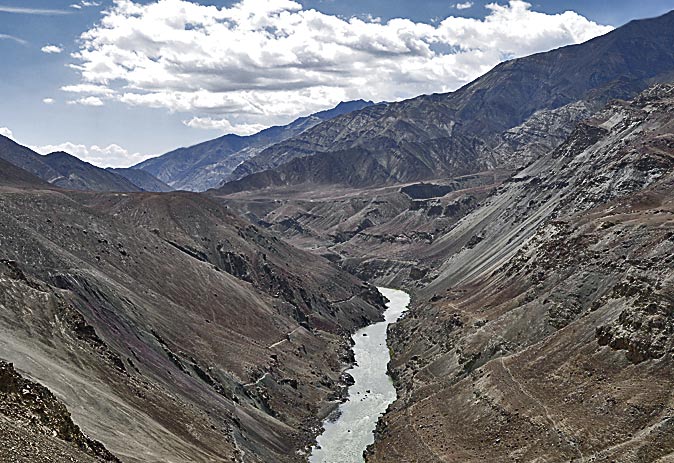
ORF Report “Re-imagining the Indus”

Please find here the link http://orfonline.org/cms/export/orfonline/documents/other/indus.PDF to our comprehensive report on the “Indus”, the associated treaty, the emergent rhetoric and the reality of people whose lives are inseparable from the river and their traditional and contemporary water management practices.

It is perhaps the most comprehensive effort that captures essential narratives and historical evidence from both sides of the border, that is unable to divide the organic and indivisible river basin.

Co-produced with the LUMS, Lahore with the support of the DFID, this research led by ORF scholar Lydia Powell is certain to offer a pragmatic insight on the debate and the way ahead for the two countries and more importantly for the one people of the river Indus.

I had the pleasure of writing one section of this report.


Standard
Books / Papers, Water / Climate

Carbon markets and low-carbon investment in emerging economies: A synthesis of parallel workshops in Brazil and India

Abstract

While policy experiments targeted at energy and innovation transitions have not been deployed consistently across all countries, market mechanisms such as carbon pricing have been tested over the past decade in disparate development contexts, and therefore provide some opportunities for analysis. This brief communication reports on two parallel workshops recently held in Sao Paulo, Brazil and New Delhi, India to address questions of how well these carbon pricing policies have worked in affecting corporate decisions to invest in low-carbon technology. Convening practitioners and scholars from multiple countries, the workshops elicited participants’ perspectives on business investment decisions under international carbon markets in emerging economies across multiple energy-intensive sectors. We review the resulting perspectives on low-carbon policies and present guidance on a research agenda that could clarify how international and national policies could help encourage both energy transitions and energy innovations in emerging economies.

Read the entire article here: Full article (PDF-version).

Standard